Introduction: Why choosing the right outdoor LED flood light supplier matters
Outdoor LED flood lights are used in projects ranging from stadiums, ports and industrial yards to retail and commercial site lighting. For global lighting importers, wholesalers, distributors and project contractors, selecting the right outdoor led flood light supplier affects performance, long-term cost of ownership, regulatory compliance and project timelines. This buying guide explains the technical criteria, quality tests, compliance requirements and commercial terms you should prioritize when evaluating suppliers, with practical checklists and questions to streamline procurement.
Key performance specifications to evaluate
Start by comparing objective, test-backed specifications rather than marketing claims. Essential performance metrics include:
Lumen output and efficacy
- Rated lumens: the total light output per fixture—match lumens to application and mounting height.
- Efficacy (lm/W): indicates energy efficiency. Typical high-quality outdoor flood lights range from 100 to 160 lm/W depending on optics and driver.
Color quality and consistency
- Color temperature (CCT): common options are 3000K, 4000K, 5000K. Choose based on visual needs and local standards.
- CRI: color rendering index—minimum 70–80 for general outdoor applications; 80+ recommended for retail/architectural needs.
- Color consistency (SDCM): 3-step MacAdam or better reduces visible tint variation between fixtures.
Beam angle and optics
- Beam distribution: narrow, medium, wide and asymmetric optics exist—use IES files to model spill light and uniformity.
- Lens materials and coatings: tempered glass, polycarbonate, and anti-glare or anti-UV coatings affect durability and light output.
Lumen maintenance and lifetime
- LM-80 test data for LEDs and TM-21 extrapolation for L70/L90 lifetime predictions are important for lifecycle planning.
- Look for quoted L70 hours (e.g., 50,000–100,000 hrs) and supporting test reports.
Thermal management and build quality
Heat is the main enemy of LED life and color stability. Evaluate supplier design and materials:
- Heatsink design: large surface area, fins and conductive thermal paths are preferred for passive cooling.
- Material and finish: aluminum die-cast housings with corrosion-resistant coatings are common for outdoor use.
- Sealing and gasketing: ensure IP rating relates to application (see ingress protection below).
Ingress protection, impact and environmental ratings
Outdoor fixtures must withstand moisture, dust, impact and harsh environments. Key ratings to verify:
- IP rating: IP65 is a minimum for general outdoor use; IP66/IP67 for high-pressure washdown or temporary submersion environments.
- IK impact rating: IK08 or higher for vandal-prone locations and IK10 for heavy industrial use.
- Salt spray/corrosion tests: essential for coastal and marine projects; check supplier test reports.
Driver type, surge protection and electrical features
The driver is a common point of failure—select robust components and protections:
- Driver brands and specs: reputable driver manufacturers improve reliability—ask for brand names and datasheets.
- Power factor and THD: PF >0.9 and THD <20% are typical requirements for commercial installations.
- Surge protection: integrated surge protection (e.g., 10kV/10kA or higher) reduces failure risk from lightning and transients.
- Voltage range: universal (100–277V or 100–480V) options support global installations; specify local grid requirements.
Controls, dimming and smart integration
Modern projects increasingly require control compatibility. Ask suppliers about:
- Dimming protocols: 0–10V, DALI, DMX, PWM; verify linear dimming performance and flicker-free operation.
- Wireless control options: support for wireless gateways or native protocols (e.g., Zigbee, LoRa, Casambi) if needed.
- Sensors and photocells: integrated motion sensors or photocells reduce complexity on some projects.
Photometry and lighting design documentation
Good suppliers provide photometric files and test certificates to support design and compliance:
- IES/LM-79 photometric files: required for lighting calculations, daylighting analysis and tender submissions.
- IES/IESNA report references: confirm measurements were taken in accredited labs per LM-79 procedures.
- Layout support: ask if the supplier can produce lighting layouts and simulations for your project.
Certifications, testing and regulatory compliance
Regulatory requirements vary by market. Verify the supplier can meet target-country standards and provide test reports:
- Electrical safety: UL/ETL (North America), CE/ENEC (EU), SAA (Australia), BIS/ISI (India), CCC (China) as applicable.
- Photometric testing: LM-79 reports for fixture-level performance.
- Lumen maintenance: LM-80 reports and TM-21 projections for LED chip performance.
- Environmental regulations: RoHS, REACH where required.
- Independent lab testing: third-party labs (TUV, Intertek, UL) add credibility—request certificates.
Reliability, warranty and maintenance
Warranty and defined maintenance support reduce long-term risk. Key points to negotiate:
- Warranty period: 3–10 years is common; verify what is covered (LEDs, driver, housing) and failure thresholds.
- Performance guarantees: some suppliers warrant lumen maintenance at a given hour (e.g., L70 at 50,000 hours).
- Spare parts and service: ask about availability of drivers, lenses and accessory parts for future repairs.
- Failure rate data: request field failure rates, MTBF or historical returns data for similar projects.
Logistics, MOQ and commercial terms
For global buyers, practical commercial terms often determine supplier suitability:
- Minimum order quantity (MOQ): confirm MOQ for standard SKUs and for custom/OEM batches.
- Lead times: include tooling, production and shipping time—ask for typical and worst-case timelines.
- Sampling policy: get costs and lead times for pre-production samples and IES-verified samples.
- Packaging and labeling: request export-grade packaging, palletization specs and private label options.
- Shipping terms and incoterms: EXW, FOB, CIF—clarify responsibilities and preferred logistics partners.
- Payment terms: negotiate letters of credit, deposits, progress payments and balance payment terms for large orders.
Quality assurance and factory capabilities
Assess supplier production control and testing processes:
- Production testing: 100% electrical burn-in, aging tests and vibration tests reduce early failures.
- Quality management: ISO 9001 certification indicates formal QA processes.
- On-site testing equipment: thermal imaging, photometry labs, salt spray chambers and IK testers add confidence.
- Factory audits: consider third-party factory audits or on-site visits for large or strategic orders.
Procurement checklist: what to request from an outdoor LED flood light supplier
- Complete specification sheet: lumens, efficacy, CCT, CRI, driver details, power draw and dimensions.
- IES/LM-79 photometric report and IES files for target SKUs.
- LM-80 reports for LED modules and TM-21 projections for lumen maintenance.
- Test certificates: IP, IK, surge protection and salt spray if applicable.
- Electrical safety certificates relevant to your market (UL/ETL, CE, SAA, etc.).
- Sample units for photometric verification and field testing.
- Warranty terms, failure handling procedures and spare part availability.
- Commercial terms: MOQ, lead time, pricing tiers, sample costs and incoterms.
- Reference projects and client contacts for performance verification.
Questions to ask every potential outdoor led flood light supplier
- Can you provide LM-79 photometric reports and IES files for the exact model we will buy?
- Do you have LM-80 test data for the LED chips and TM-21 projections for the fixture?
- Which LED chips and driver manufacturers do you use, and can we specify preferred brands?
- What is the IP and IK rating, and do you have corresponding test certificates?
- What surge protection level is built into the fixture, and are independent surge protectors recommended?
- What are your MOQ, lead times for production, and capacity for large orders or multi-site rollouts?
- What warranty do you offer, and how are warranty claims handled internationally?
- Can you provide samples, and will you support photometric checks and mock-ups prior to production?
- Do you support custom optics, housings or private labeling for distributor channels?
- Can you demonstrate compliance with target-market regulations (CE, UL, ETL, RoHS, etc.)?
Working with a manufacturer partner: what good suppliers offer
A competitive outdoor led flood light supplier for global buyers will offer more than product listings. Look for partners who provide:
- Technical support and lighting design assistance, including IES layouts and project simulations.
- Flexible production: OEM/ODM options, private labeling and configurable options for optics and controls.
- Comprehensive testing and documentation, enabling smooth regulatory approval and tender responses.
- After-sales support, spare parts and regional logistics assistance.
Why partner with JECTE for outdoor LED flood lighting
JECTE is a lighting manufacturer and industrial supply partner experienced in supporting global importers, wholesalers, distributors and contractors. Our capabilities include product engineering, full photometric testing (LM-79/LM-80/TM-21), factory quality control, customizable optics and control integrations, and competitive commercial terms for large projects. We supply export-grade packaging, sample policies and can support third-party audits and certifications to meet market-specific requirements.
Final recommendations for buyers
When selecting an outdoor led flood light supplier, prioritize verifiable performance data, robust thermal and optical design, proven driver and LED components, and appropriate IP/IK protection for the application. Require full photometric and lifetime testing, clarify warranty and spare part policies, and negotiate commercial terms that match your supply chain needs. For large or recurring programs, choose a partner who can provide engineering support, flexible manufacturing and consistent documentation—this reduces risk and total cost of ownership over the life of the project.
If you are evaluating suppliers or preparing a tender, use the procurement checklist and question list above to standardize comparisons and ensure each bid provides the documentation and commitments your project requires. Contact JECTE to discuss technical specifications, request IES files or arrange samples tailored to your project requirements.
Related Products
Explore related products from JECTE for your next sourcing project.
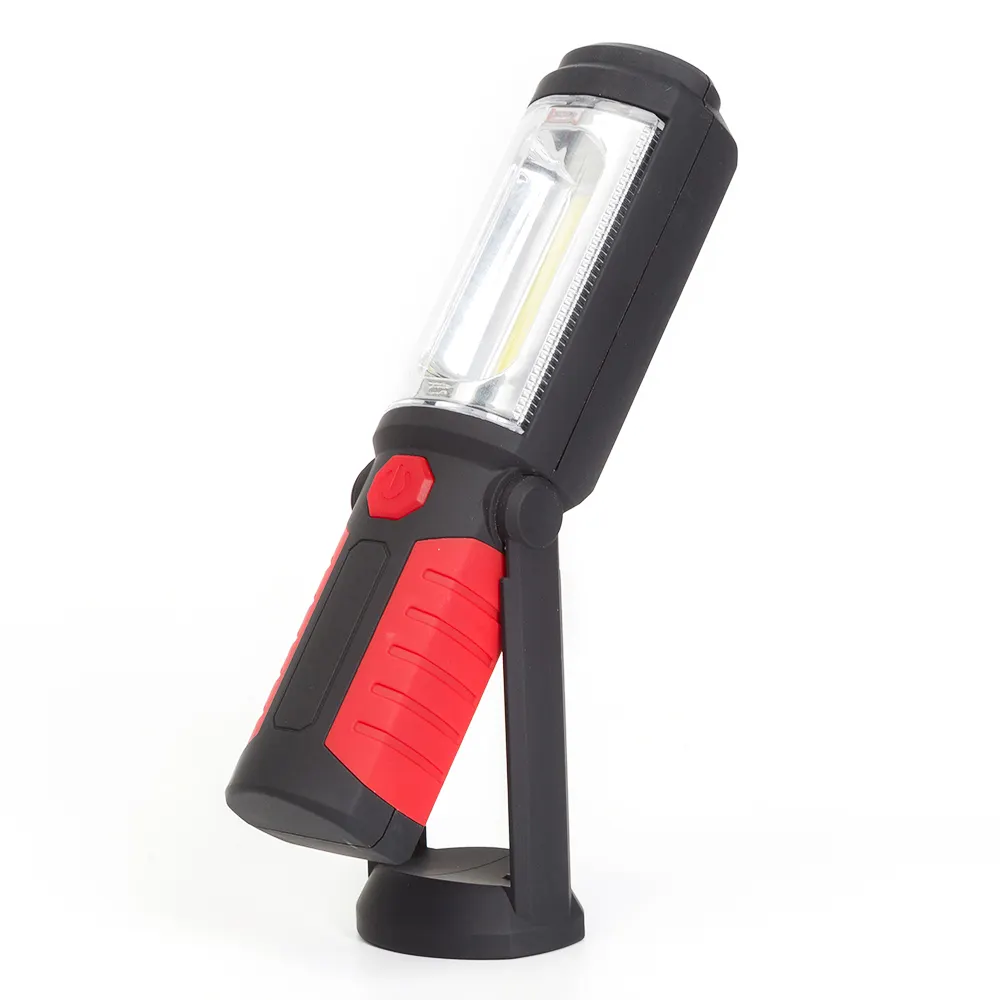 Gold Supplier Handheld Flashlight COB Rotatable Magnetic LED Work Light Suit for Mechanic DIY
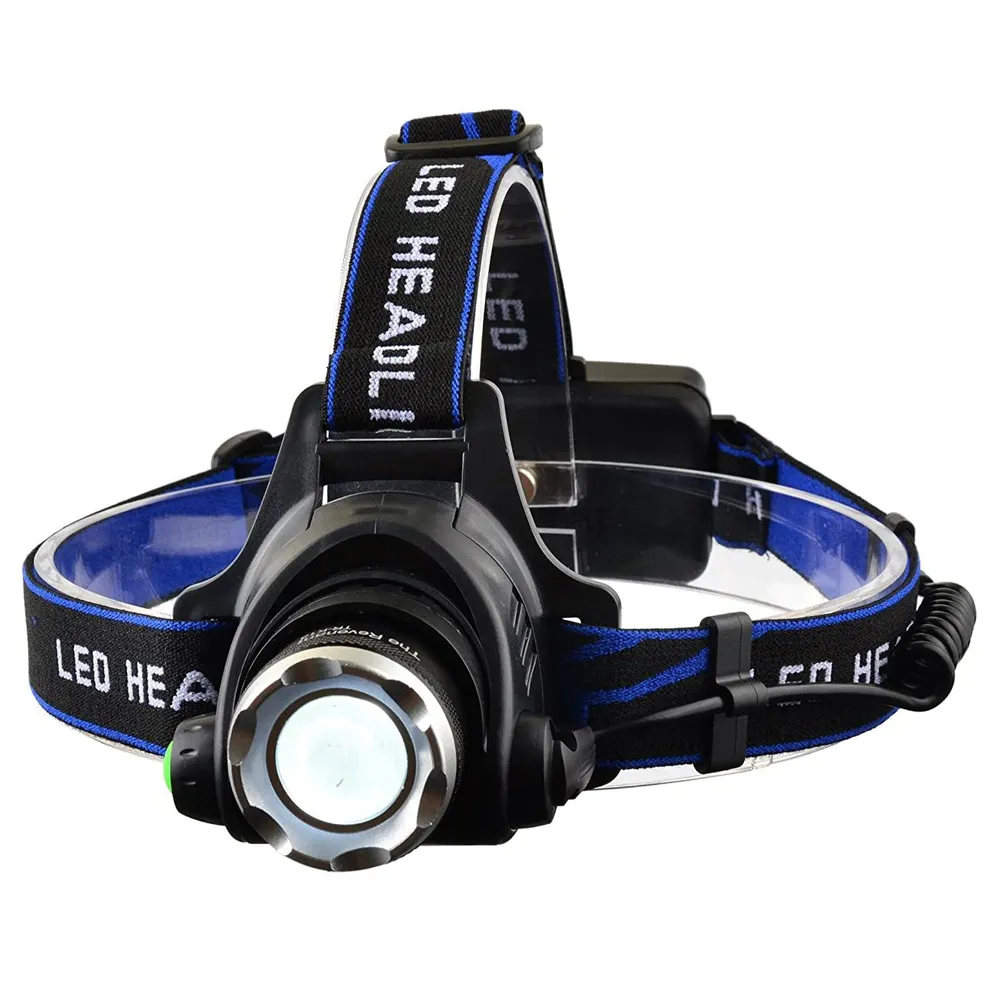 300lm Easy to Carry Headlamp USB Rechargeable 3 Modes Led Headlights Outdoor Waterproof Headlamp
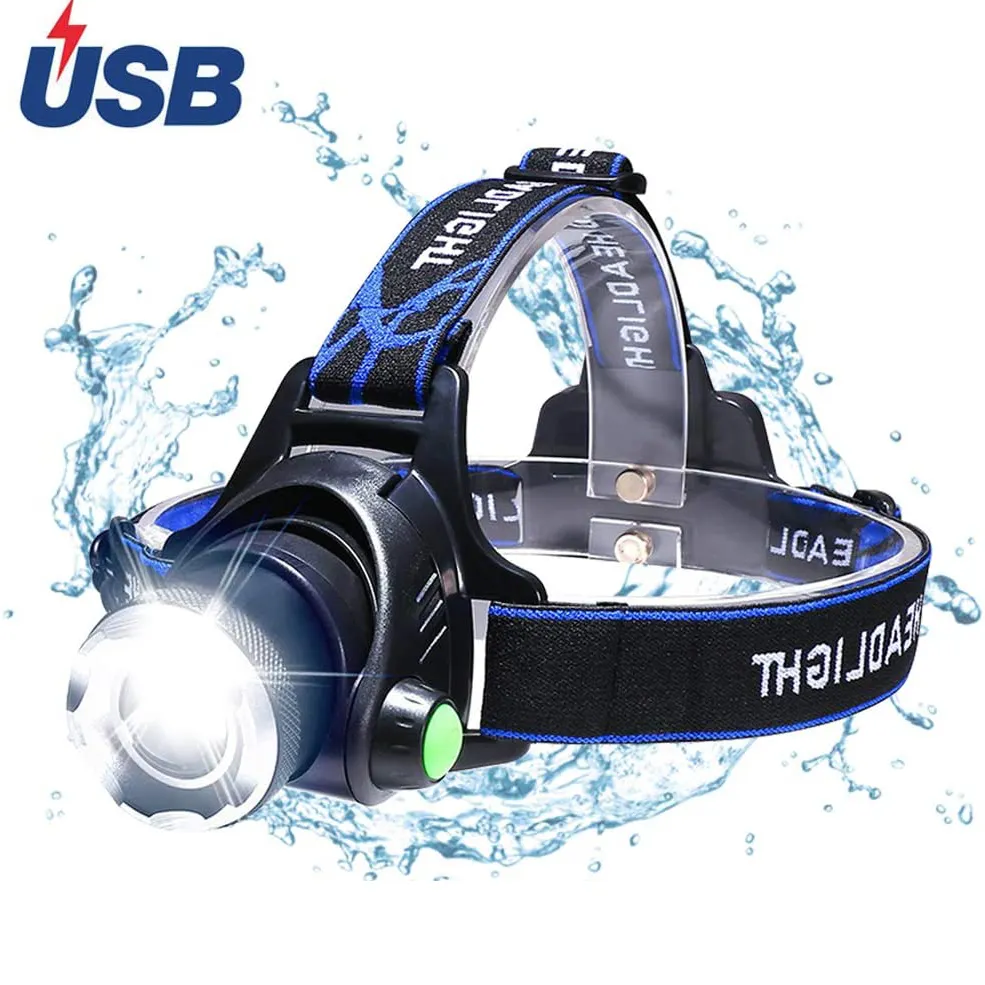 300 Lumen ABS Aluminium Zoomable Rechargeable LED Headlamp Outdoor Activities Head Lights
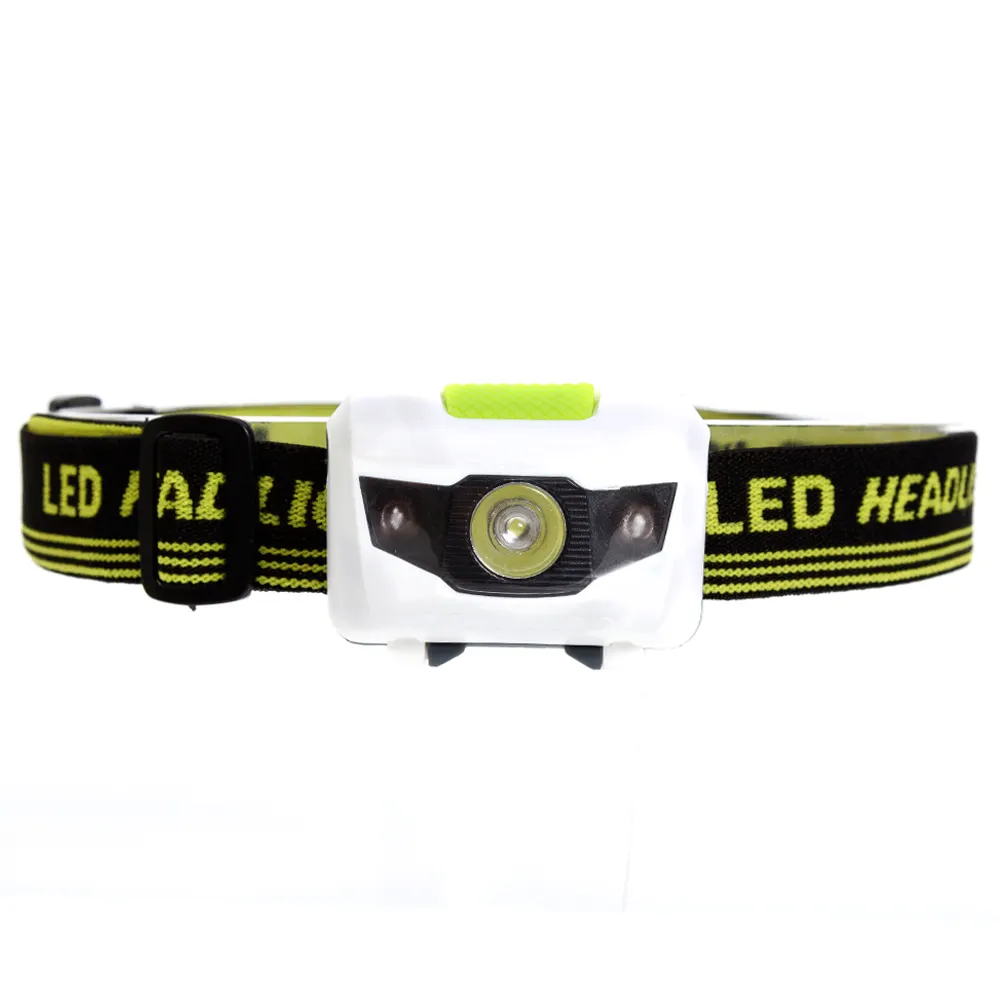 4 Modes Adjustable Led Headlamp with Elastic Headband Head Light Camping Headlamp