Why this guide matters for global buyers
Flashlights serve diverse professional markets—industrial, construction, emergency services, mining, marine, and tactical. For importers, wholesalers, distributors, and project contractors, selecting the right flashlight lines affects customer satisfaction, warranty exposure, regulatory compliance, and margins. This guide focuses on the technical, commercial, and quality decisions buyers should make when sourcing flashlights at scale.
Common flashlight types and use cases
Match product design to target market and use case. Typical product families include:
- Everyday carry (EDC) flashlights – Compact, pocketable units for retail and resale. Priorities: size, output-to-size ratio, USB charging.
- Tactical flashlights – For security, law enforcement, and self-defense markets. Priorities: high lumen output, strobe mode, rugged construction, tail-switch operation.
- Worksite / utility flashlights – For construction and maintenance teams. Priorities: long runtime, multiple beam modes, impact resistance, rechargeable options.
- Headlamps and hands-free lighting – For contractors, emergency responders, and outdoor professionals. Priorities: beam pattern, weight, comfort, battery life.
- Waterproof and marine flashlights – Corrosion-resistant materials, IPX7/IPX8 ratings, and visibility in open-water conditions.
- Intrinsically safe / explosion-proof lights – For mining, oil & gas and hazardous environments. Must meet ATEX, IECEx or equivalent certifications.
Key technical specifications to evaluate
Understand measurable performance metrics, not just marketing numbers.
- Lumen output – Total light output. Useful for comparing models but verify using an integrating sphere report or ANSI/PLATO standard.
- Beam distance and candela – Peak intensity and usable throw matter for search or tactical applications.
- Runtime – Duration at specific output levels. Runtime curves are preferable to single-number claims.
- Efficiency – Lumens per watt and thermal management affect battery life and LED longevity.
- Battery type and chemistry – Alkaline, NiMH, Li-ion, rechargeable built-ins. Consider availability, recharge cycles, and shipping restrictions (UN38.3 for lithium batteries).
- Durability ratings – Impact resistance, IK and MIL-STD-810 test results for drops and vibrations.
- Ingress protection (IP) rating – IPX4 (splash), IPX7 (temporary immersion), IPX8 (continuous immersion). Higher IP = better water protection.
- Size and weight – Important for EDC and headlamp segments; heavier units suit industrial tools where runtime is prioritized.
Batteries, charging and power management
Battery technology drives performance, shipping, and after-sales support.
- Disposable cells – AA/AAA or CR123A. Good for retail and low-cost models. Advantage: easy replacement. Disadvantage: ongoing cost for users.
- Rechargeable cells – NiMH and Li-ion are common. Li-ion (18650, 21700) offers higher energy density and runtime but has shipping restrictions and safety requirements.
- Integrated rechargeable designs – USB-C/USB-A micro-B charging is popular. Consider IP rating when designing charging ports and need for waterproof covers.
- Battery management – Overcharge, over-discharge, thermal and short-circuit protection are critical. Request BMS (battery management system) specifications for rechargeable units.
- Swappable battery design – Important for professional users who need continuous operation with spare batteries.
Materials, construction and ergonomics
Material choices affect cost, durability and perceived quality.
- Housing materials – Anodized aluminum is common for a premium feel and thermal dissipation; engineering-grade plastics and polycarbonates reduce cost and weight while offering good impact resistance.
- Lens and reflector – Glass lenses scratch less than plastic; polycarbonate can be used with coatings. Reflector design influences beam shape.
- Seals and gaskets – Quality O-rings and sealing methods are essential for IP ratings.
- Switch types – Tail-cap clickers, side switches, and magnetic switches. Consider usability with gloves for industrial users.
- Heat management – Thermal fins and aluminum bodies help maintain LED life at high outputs.
Certifications, compliance and regional requirements
Regulatory compliance is non-negotiable for many buyers and markets.
- CE and RoHS – Required for EU market access. RoHS restricts hazardous substances.
- FCC/EMC – May be required for US market to confirm electromagnetic compatibility.
- UL/ETL – Useful for North American safety assurance, particularly for power supplies and charging devices.
- UN38.3 – Required for transport of lithium batteries by air and sea.
- ATEX / IECEx – Mandatory for use in explosive atmospheres (mining, petrochemical). These are specialized and costlier product lines.
- MIL-STD and IP/IK ratings – Specifications like MIL-STD-810 (environmental durability) boost confidence for military and rugged industrial applications.
Features and accessories that add value for buyers
Beyond basic specs, the right features influence appeal and price points.
- Multi-mode outputs – High, medium, low, strobe, SOS. Programmable modes allow OEM differentiation.
- Beam options – Flood vs. throw; adjustable focus/zoom; diffusers for worksite needs.
- Mounting and hands-free options – Clips, lanyards, helmet mounts, magnetic bases.
- Indicator LEDs – Battery level indicators and charging status add user convenience.
- Custom branding and packaging – OEM logos, color options, and retail packaging influence shelf appeal and resale pricing.
Supply chain and sourcing considerations
Plan for MOQ, lead times, and total landed cost when qualifying manufacturers.
- Minimum order quantity (MOQ) – Manufacturers often set MOQs for different SKUs. Negotiate starter orders and scale-up plans.
- Lead time and production capacity – Understand component lead times (LED chips, batteries, PCBs) and seasonal impacts.
- Packaging and labeling – Comply with destination market packaging requirements, language rules, and retailer specs.
- Shipping and logistics – Factor in HS codes, battery shipping restrictions, and port-to-door transit times.
- After-sales support – Spare parts availability, repairability, and warranty handling matter to distributors and end users.
Quality control and testing checklist
Implement tests to verify manufacturer claims and reduce returns.
- Photometric testing – Verify lumen output, beam pattern and candela against ANSI/NEMA or manufacturer specs.
- Runtime and thermal tests – Verify runtime curves and thermal throttling over extended runs.
- Ingress and immersion testing – Confirm IPX ratings through standardized tests.
- Drop and impact tests – Perform multi-angle drop tests from specified heights per IK or MIL-STD requirements.
- Battery and BMS testing – Validate cell performance, cycle life and safety under charge/discharge conditions. Ensure UN38.3 certification for shipping.
- EMC and electrical safety – Verify any electronic components, chargers and power supplies meet regional requirements.
Pricing, margins and total cost of ownership
Price is more than unit cost. Account for:
- Unit production cost – Components, assembly, testing and packaging.
- Certification and testing fees – One-time and recurring certification costs.
- Shipping and duties – Battery classification, freight modality and tariffs affect landed cost.
- Warranty and returns – Project potential warranty claims into expected costs.
- Channel margins – Manufacturer to distributor to retailer margins should allow competitive pricing while preserving profitability.
Practical buying checklist
Use this checklist when evaluating flashlight lines or suppliers:
- Define primary target customers and use cases (EDC, tactical, industrial, marine, hazardous zones).
- Specify required performance: lumen range, beam distance, runtime targets at each mode.
- Confirm battery type, shipping restrictions, and preferred charging options.
- Require test reports: photometric, runtime curves, IP and impact tests, UN38.3 for batteries.
- Verify applicable certifications: CE, RoHS, FCC, UL/ETL, ATEX/IECEx where needed.
- Agree MOQ, pricing tiers, lead times and sample policy.
- Inspect production: pre-production sample, production sample, and final random inspection.
- Arrange packaging and label approvals; confirm warranty terms and spare parts availability.
Sample technical specification template
Share a concise spec sheet with manufacturers to get accurate quotes:
- Product category: tactical / worksite / EDC / headlamp
- Output: 100 / 500 / 1000+ lumens (specify high/low modes)
- Peak beam intensity: candela and throw distance (meters)
- Runtime: hours at specified modes
- Power: battery type (18650/21700/AA/CR123A), rechargeable / swappable
- Charging: USB-C / magnetic / external charger (include charge time)
- Housing: material, finish, ingress rating (IPX?), impact rating
- Dimensions and weight
- Required certifications and tests
- MOQ, packaging requirements and OEM branding options
Partnering with a manufacturer like JECTE
Working with an established manufacturer can reduce time-to-market and compliance risk. Key service elements to ask potential partners:
- Design for manufacture (DFM) support to optimize cost and reliability.
- In-house testing and access to photometric and battery labs.
- OEM customization capabilities: color, laser engraving, packaging and manuals in multiple languages.
- Supply chain transparency for critical components and mitigation plans for shortages.
- After-sales support: spare parts, repair services and global warranty handling.
Next steps for buyers
Start with a clear statement of target markets and product tiers (entry, mid, premium). Request technical datasheets, third-party test reports and production samples. Negotiate minimum orders with staged rollouts to validate demand. Maintain a documented QC and acceptance plan to avoid surprises at arrival.
Conclusion
Sourcing flashlights for global distribution demands a balance of technical precision and commercial planning. Evaluate devices on measurable performance—lumens, runtime, beam distance—alongside construction, certifications and battery safety. Factor in MOQ, packaging, and after-sales service when choosing a manufacturing partner. With the right specifications, testing and supplier collaboration, buyers can secure reliable products that meet end-user needs and regulatory obligations.
Want a tailored product brief or sample coordination?
If you require OEM options, compliance support or production sampling, engage your manufacturer early to align specifications, testing and delivery schedules for successful market entry.
Related Products
Explore related products from JECTE for your next sourcing project.
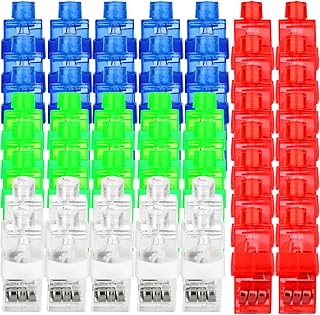 60Pcs LED Finger Lights Flashlights for Kids Glow Party Favors Birthday Christmas Halloween Supplies
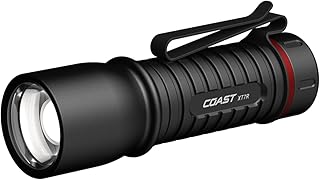 XT7R 1500 Lumen Rechargeable LED Flashlight with Magnetic Mount, Slide Focus, and Pocket Clip, Black
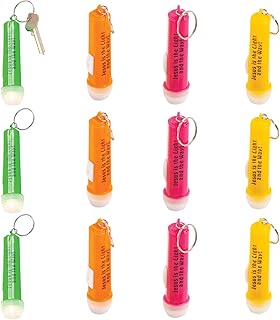 Express Jesus is The Light Flashlight Key Chains (Set of 12) Religious Party Supplies - VBS 2026 Vacation Bible School Supplies/Decor
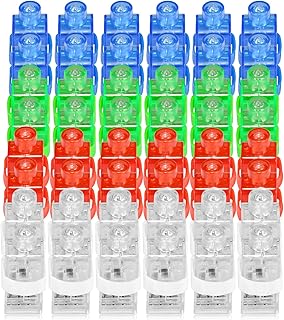 CADE ELECTRONIC Finger Lights- 50Pcs Finger Flashlights for Kids-Bachelorette Party Favors - Party Supplies for Parties Cheering Novelty Toys for Kids, Adult