Introduction: Why this guide matters for B2B flashlight buyers
Flashlights remain essential products across industrial maintenance, construction, emergency services, military, retail, and consumer channels. For importers, wholesalers, distributors, and project contractors, selecting the right flashlight SKUs is about balancing performance, safety compliance, manufacturability, total landed cost, and after-sales support.
This guide gives practical, buyer-focused criteria to compare offerings, specify technical requirements, manage procurement, and reduce risk when sourcing from manufacturers like JECTE or other industrial suppliers.
Market positioning and product families
Before spec’ing product details, define target segments and use cases. That determines prioritization of features and price points.
- Worksite/industrial: rugged, impact and water resistant, long runtime, hands-free options, interchangeable battery systems.
- Emergency & public safety: high-intensity output, reliable switching, multiple modes, standardized charging, anti-rolling design.
- Everyday carry (EDC): compact size, pocket clip, tail switch or side switch, USB-C charging, balanced beam.
- Search & rescue / tactical: long throw, high lumen output, strobes, helmet or weapon mounting compatible.
- Retail/consumer: cost-effective LEDs, clear packaging, accessory options, color/finish variants.
Key technical specifications to evaluate
Use consistent metrics to compare models. Ask suppliers for test reports and specify measurement standards (e.g., ANSI/NEMA FL1).
Lumens, beam distance and candela
Lumens measure total light output; candela and beam distance describe focused intensity and throw. For buyers, prioritize the combination that matches each use case: higher lumens for floodlight effect, higher candela for throw.
Runtime and power management
Runtime depends on battery capacity, driver efficiency, and mode selection. Request runtime curves at each mode and specify the test conditions (ambient temp, battery type, discharge profile).
Beam pattern and optics
Reflector shape (smooth vs textured) and lens type (TIR vs glass) determine beam quality and spill. For inspection and close tasks choose broad, even beams; for search tasks choose deep-throw reflectors.
Color temperature and CRI
Specify LED color temperature (measured in Kelvin) and CRI if color rendering matters (e.g., inspection or electrical work). Typical ranges: 2700–3500K warm, 4000–5000K neutral, 6000–7000K cool. CRI >70 is common; >80 recommended for task lighting.
Modes and user interface
Mode memory, mode spacing, and switch type affect usability. Tail switches are common in EDC/tactical; side switches are preferred for work lights. Multi-mode designs should avoid overly complex sequences for safety-critical use.
LEDs, drivers, and thermal management
Efficient LED chips and well-designed drivers reduce heat, extend runtime, and improve reliability.
- Choose reputable LED manufacturers (e.g., Nichia, Cree, Lumileds) for long-term consistency.
- Evaluate driver design: constant current, PWM frequency (for users sensitive to flicker), thermal throttling behavior.
- Ask for thermal imaging or test reports showing LED board and driver temps at max output.
Batteries and charging options
Battery chemistry and charging influence shipping, lifecycle, and user convenience.
- Primary cells: Disposable (alkaline, lithium AA/CR123). Easier logistics, no charging required, but recurring cost for users.
- Rechargeable cells: Li-ion (18650, 21700), LiFePO4, NiMH. Li-ion offers high energy density but requires compliance for transport.
- Integrated USB charging: USB-C is now preferred for higher power and global compatibility. Check ingress protections for charging ports when rated for outdoor use.
Ensure suppliers provide battery specifications (capacity in mAh, nominal voltage), cell brand, cycle life, and protections (BMS, overcharge/discharge protection).
Materials, finish, and ergonomics
Material selection affects weight, durability, and cost.
- Aluminum (aircraft-grade): Common for tactical and work lights; good thermal conductivity and durability.
- ABS/PC plastics: Lighter and cheaper; suitable for consumer and some work applications with reinforced designs.
- Coatings: Hard-anodized Type III (MIL-A-8625) increases abrasion resistance.
- Consider anti-slip knurling, pocket clips, magnetic bases, and holster compatibility for contractor/field use.
Ingress protection and mechanical robustness
IP and impact ratings are critical for professional use.
- IPX ratings: IPX4 (splash), IPX7 (temporary immersion), IP68 (dust-tight, continuous immersion). Specify the required rating for the application.
- Impact rating: Typically measured by drop height (e.g., 1m, 2m). Tactical/work lights usually specify 1–2 meter drops.
- Salt-spray and corrosion resistance are relevant for maritime use.
Safety, certifications, and regulatory requirements
Buyers must ensure compliance for target markets and transport modes.
- Product standards: CE, RoHS, EMC (if electronic controls/charging).
- Battery transport: UN38.3 testing is mandatory for lithium cells shipped by air. Also check IATA/IMDG restrictions and labeling requirements.
- Electromagnetic compatibility: Required in many jurisdictions when the product includes charging electronics or wireless features.
- Specific approvals: ATEX or IECEx if intended for hazardous atmospheres; MIL-spec for government contracts.
Quality control and testing protocols
Request supplier QC documentation and independent test reports. Typical tests include:
- Functional testing at multiple modes and temperatures
- High-temperature aging and burn-in (e.g., 48–72 hrs)
- Waterproof and dust ingress (IP) testing
- Drop and vibration testing
- Battery cycle and safety testing
Insist on batch traceability, sample inspection, and the right to pre-shipment inspections (PSI) or third-party testing.
Packaging, labeling, and accessories
Packaging affects retail presence and logistics. For distributors and contractors, accessories and bundling increase SKU value.
- Packaging options: retail-ready blister or box, bulk carton for professional buyers.
- Include user manual with safety and charging instructions in target languages.
- Accessories: holsters, mounts, spare O-rings, charging cables, car adapters, spare batteries, diffusers.
- Consider eco-packaging and FSC-certified materials if sustainability is a customer requirement.
Pricing, MOQ, and lead time considerations
Balance order economics against inventory risk.
- MOQ: Manufacturers often set MOQs per SKU (100–1000 units typical). Negotiate based on customization and forecasted volume.
- Tiered pricing: Expect better pricing at higher quantities; establish clear price breaks and currency terms.
- Lead time: Standard production lead times can range from 4–12 weeks depending on complexity and tooling. Factor in additional time for certifications, testing, and shipping.
- Sample policy: Request functional samples and pre-production samples. Confirm sample fees and turnaround time.
Customization and private labeling
Private-labeling and bespoke features can differentiate you in the market but require planning:
- Branding: laser engraving, pad printing, full-color boxes.
- Feature changes: different LEDs, battery types, user interface adaptations, custom packaging inserts.
- Tooling: new molds for bodies or holsters increase upfront costs and add lead time.
- Minimums: customizations typically increase MOQ thresholds.
Shipping and logistics: batteries and international trade
Battery-powered products add complexity to shipping and warehousing.
- Air transport restrictions for lithium batteries often require cells to be shipped with strict documentation or transported by sea/land.
- Labeling and documentation: MSDS, UN38.3 reports, and proper hazard labeling are essential.
- Consider DDP vs. FOB terms and ensure clarity on who handles customs, duties, and compliance documentation.
After-sales support, warranties, and spare parts
Reliable after-sales support reduces returns and builds distributor confidence.
- Standard warranty terms (e.g., 12–36 months), with clear claim procedures.
- Availability of spare parts: batteries, chargers, O-rings, switches, and lenses.
- Technical documentation and troubleshooting guides for end-users and service centers.
Procurement checklist for flashlight buyers
Use this checklist when evaluating suppliers and products:
- Define target use cases and customer segments.
- Request ANSI/NEMA FL1 test reports for lumen, runtime, beam, and candela.
- Verify LED and cell brands, and request UN38.3 battery test reports if applicable.
- Confirm IP and impact ratings and request test certificates.
- Obtain completed EMC/CE/ROHS documentation as required for your market.
- Agree on MOQ, lead time, price tiers, and incoterms.
- Request production samples, perform independent lab testing for critical attributes.
- Confirm packaging, labeling language, and accessory bundles.
- Agree warranty terms, RMA process, and spare parts availability.
Sample specification template (quick)
Provide suppliers with a clear spec to speed quotes:
- Model name/ID
- Application (e.g., industrial inspection)
- Lumen output: High/Med/Low values
- Beam distance (meters) and candela
- Battery: chemistry, cell size, capacity, integrated charging?
- Runtime at each mode (specify test protocol)
- IP rating and impact/drop rating
- Materials, finish, dimensions, weight
- Packaging type, labeling language, accessories
- Certifications required (UN38.3, CE, RoHS, ATEX if needed)
- MOQ, target price, expected annual volume
Why choose a manufacturing partner like JECTE
Working with an established lighting manufacturer reduces procurement friction. Key benefits to seek in a partner:
- End-to-end capabilities: engineering, tooling, testing, assembly, and packaging.
- Experience with battery regulations and international shipping compliance.
- Flexible MOQ and customization options to match distribution channels.
- Quality systems and willingness to provide test reports, sample programs, and production oversight.
JECTE partners with global buyers to provide configurable flashlight solutions, from rugged work lights to compact EDC models, backed by testing, documentation, and production scalability.
Next steps for procurement teams
Start by defining your product set and use-case priorities. Request a formal quote and sample pack from shortlisted suppliers that includes test documentation and sample units. Plan for pre-shipment inspection and independent lab verification on critical performance and safety attributes. Finally, align warranty and spare parts strategy with your sales channels to ensure market success.
For tailored product recommendations, sample orders, or to discuss private-label options, contact JECTE’s B2B team to accelerate sourcing and ensure compliance across your markets.
Related Products
Explore related products from JECTE for your next sourcing project.
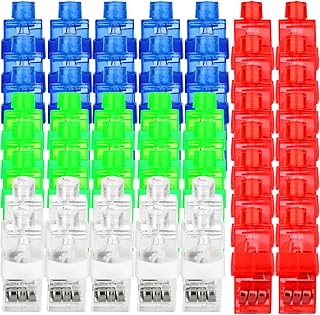 60Pcs LED Finger Lights Flashlights for Kids Glow Party Favors Birthday Christmas Halloween Supplies
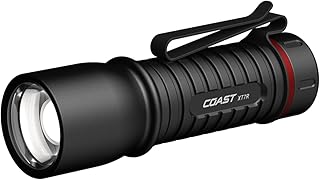 XT7R 1500 Lumen Rechargeable LED Flashlight with Magnetic Mount, Slide Focus, and Pocket Clip, Black
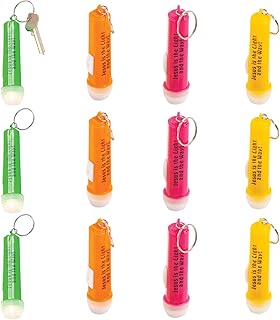 Express Jesus is The Light Flashlight Key Chains (Set of 12) Religious Party Supplies - VBS 2026 Vacation Bible School Supplies/Decor
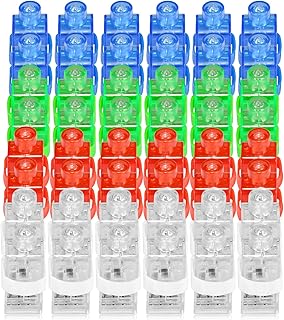 CADE ELECTRONIC Finger Lights- 50Pcs Finger Flashlights for Kids-Bachelorette Party Favors - Party Supplies for Parties Cheering Novelty Toys for Kids, Adult