Why this guide matters for B2B flashlight buyers
Flashlights are a routine SKU in many lighting and industrial portfolios, but performance claims, safety rules, and supply-chain details vary widely. For importers, wholesalers, distributors and project contractors, selecting the right flashlight SKUs requires balancing technical specifications, regulatory compliance, logistics and after-sales support. This guide consolidates practical criteria and procurement steps to reduce risk and increase margin.
Common flashlight types and commercial uses
Select product categories based on customer demand and application. Each type has distinct technical priorities.
- General-purpose handhelds — Retail and utility use; focus on cost-effective LEDs, moderate lumen output and long shelf life.
- Tactical flashlights — Security, law enforcement and military applications; prioritize high lumen output, durable housings, lockout, strobe modes and rapid heat dissipation.
- Inspection and work lights — Automotive, maintenance and industrial projects; require wide flood beams, high CRI for color accuracy, long runtime and rechargeable batteries.
- Headlamps and wearable lights — Hands-free tasks, outdoor work; emphasis on comfort, beam modes, and battery life.
- Marine and waterproof models — Offshore, marine contractors; require high IP rating (IPX7/IPX8), corrosion-resistant materials and secure battery compartments.
Key technical specifications to evaluate
Technical claims should be verifiable and relevant to target markets. Ask for ANSI/FL‑1 test results for objective comparison.
Lumen output and usable output
Lumens measure total visible light. For buying decisions, define lumen ranges by use case: 100–300 lm for everyday use, 300–1,000 lm for professional work, and 1,000–5,000+ lm for tactical and search. Confirm advertised lumens with independent test reports and note sustained usable output versus initial peak lumen numbers.
Beam pattern and distance
Beam type (flood vs. throw) dictates application. Look at beam distance (meters) and candela/peak beam intensity. For inspection, choose wide, even flood beams; for search or security, prioritize throw distance.
Runtime and power management
Runtime depends on battery type and electronic regulation. Confirm the runtime for each mode (high, medium, low). Consider regulated drivers that maintain usable light output rather than brief peak output with fast drop-off.
Batteries and charging
- Primary cells — Alkaline/CR123A for long shelf life, widely available but higher long-term cost per lumen-hour.
- Rechargeable cells — NiMH, Li-ion (18650, 21700) offer lower operating costs. Integrated Li-ion with built-in USB-C charging increases convenience.
- Check charging methods: USB-C, magnetic, or external chargers. USB-C is the preferred universal option for new products.
Durability: materials, impact and thermal
Aluminum alloys (6061-T6, A6063) with anodized finishes are standard. Consider impact resistance (drop heights 1–2 m typical) and thermal dissipation for high-output models to avoid throttling. For harsh environments, select corrosion-resistant coatings or stainless components.
Ingress protection (IP) and sealing
IP ratings specify protection against dust and water. Common buyer thresholds:
- IPX4 — splash resistant
- IPX7 — temporary immersion up to 1 m
- IP68 — continuous immersion and full dust protection
For marine or flood-prone projects, require IP67/IP68 and specify O-ring material (silicone vs. fluorosilicone) for chemical resistance.
Functional features
- Dimming steps and memory function
- Mode memory and mechanical/electronic lockout to prevent accidental activation
- Strobe, SOS or signaling for tactical and emergency use
- Anti-roll design, pocket clips, lanyard attachments
Color characteristics
Correlated color temperature (CCT) and CRI matter for inspection or medical uses. Typical CCTs range 2700K–6500K. CRI >80 is advised for color-critical inspection tasks; retail or tactical models can accept lower CRI if brightness is the focus.
Standards, certifications and transport regulations
Compliance protects end users and simplifies import clearance. Require documentation up front.
- ANSI/FL-1 — Industry standard for measuring lumens, runtime, beam distance, IP and impact resistance. Ask suppliers for ANSI/FL-1 data sheets.
- CE and RoHS — Required for EU markets for electronic and chemical compliance.
- FCC — For devices with radio emissions; sometimes applicable for electronic chargers or wireless functions.
- UN38.3 — Mandatory testing for lithium batteries during transport; required for air/sea shipment of batteries.
- IATA/IMDG — Shipping regulations for batteries. Verify whether batteries can ship with the product or must be removed and packed separately.
- ISO9001, factory audits — Indicator of consistent manufacturing quality and process control for larger orders.
Quality control and testing to request
Specify tests to validate claims and reduce returns:
- ANSI/FL-1 performance tests (lumens, runtime, beam distance)
- IP water/dust ingress testing
- Drop/impact testing at specified heights
- Battery cycle life testing and overcharge protection verification
- Thermal management tests under continuous high-mode operation
- EMC testing for models with USB charging or integrated electronics
Packaging, branding and customization
Retail appeal and project branding affect margins. Discuss these options with potential suppliers early.
- Private label and OEM: logo printing, custom colors, model numbering
- Packaging types: blister card, retail box, bulk cartons—confirm displays and shelf-ready packaging for distributors
- Instruction manuals and multilingual safety labeling—provide translations for target markets to avoid compliance issues
- Accessory kits: spare O-rings, rechargeable batteries, chargers, holsters—valuable add-ons for dealers and contractors
Pricing, MOQ and lead times
Understand total landed costs and supplier flexibility.
- Minimum order quantities: Typical MOQs vary widely—samples available at low quantities, but custom colors or branding often carry higher MOQs.
- Pricing structure: FOB vs. CIF vs. DDP—determine who manages freight, duties and insurance.
- Payment terms: Common terms include 30% deposit / 70% balance, LC for large orders. Negotiate better terms for established relationships.
- Lead times: Account for tooling and customization lead times (4–12+ weeks) and buffer for battery shipping restrictions.
- Volume discounts and tiered pricing: Lock in price breaks for forecasted multi-order commitments.
Logistics and battery shipping considerations
Batteries complicate cross-border logistics. Plan ahead.
- Airfreight restrictions: Many carriers limit or prohibit shipments of lithium batteries unless properly documented and packaged per IATA rules.
- Sea freight: IMDG rules apply; longer transit times but often fewer restrictions than air.
- Remove batteries for certain shipments: Some buyers import flashlights without batteries to avoid transport issues and source cells locally.
- Labeling: Ensure packages carry the correct UN numbers, handling marks and declarations to avoid customs delays and fines.
Warranty, after-sales support and spares
After-sales capability protects brand reputation and reduces returns. Require clear warranty terms and spare part availability.
- Warranty length (1–5 years) and scope (electronics, LEDs, battery)
- Return Material Authorization (RMA) process and lead times for repairs
- Availability of spare parts: chargers, batteries, lenses, tail caps and O-rings
- Technical support: datasheets, troubleshooting guides, in-country service partners
Supplier evaluation checklist
Use this checklist when vetting manufacturers or contract suppliers.
- Factory certifications: ISO9001, social compliance where required
- Sample policy: lead time, cost and whether ANSI/FL‑1 tests accompany samples
- Quality assurance: Do they provide QC reports (100% inspection or AQL sampling) and pre-shipment photos?
- Testing capability: In-house IP, drop and battery cycle testing or access to accredited labs
- Regulatory documentation: CE, RoHS, UN38.3, FCC, and test reports
- References: Existing customers in target markets and long-term OEM relationships
- After-sales logistics: Spare parts availability and RMA handling
- Supply continuity: Lead-time guarantees and secondary sourcing options
Cost of ownership and margin considerations
Compare not only unit price but lifecycle cost and return rates.
- Calculate operating cost per lumen-hour (battery cost, frequency of replacements)
- Include warranty claim rates and expected return rates in SKU profitability models
- Consider bundle strategies (lamp + spare battery + charger) to increase average order value
- Account for labeling, certification and import duty costs in final landed price
Procurement process and sample approval
Follow structured steps to reduce surprises after placing a bulk order:
- Request samples from shortlisted suppliers and test against your spec matrix
- Run independent lab testing when selling in highly regulated markets
- Sign off on first-article inspection (FAI) and packaging mockups before production
- Agree on pre-shipment inspection criteria and AQL levels in the purchase order
Quick buying checklist for importers, wholesalers and contractors
- Define target applications and required lumen ranges
- Request ANSI/FL-1 test data and independent lab reports
- Verify IP, impact and battery transport certifications (UN38.3)
- Confirm MOQ, lead time, payment terms and freight/incoterm responsibilities
- Examine sample units for build quality, thermal behavior and runtime
- Agree warranty, spare parts availability and RMA process in writing
- Review packaging options and multilingual instructions for target markets
How JECTE supports global lighting buyers
As a lighting manufacturer and industrial supply partner for global buyers, JECTE can assist with product selection, customization, compliance and after-sales logistics. We offer:
- Product development and OEM/ODM customization for branding and packaging
- Pre-shipment testing and ANSI/FL‑1 performance documentation
- Battery compliance support (UN38.3) and packed vs. contained battery shipping guidance
- Flexible MOQs, volume pricing tiers and predictable lead times for project procurement
- After-sales spare parts and warranty handling to protect distributors and contractors
Next steps for buyers
Start with a specification sheet: define lumen bands, battery preference, IP rating, target retail packaging and desired price point. Request samples and ANSI/FL‑1 data from shortlisted suppliers. For project or volume orders, secure a sample approval and agree on QC protocols before production.
If you want to explore flashlight SKUs, private-label options or project procurement with reliable testing and logistics support, contact JECTE to discuss requirements and get sample quotes tailored to your markets.
Related Products
Explore related products from JECTE for your next sourcing project.
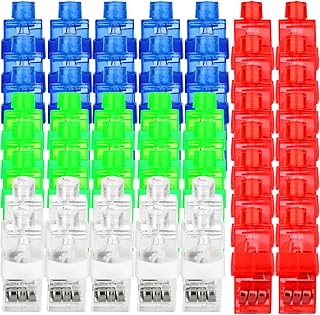 60Pcs LED Finger Lights Flashlights for Kids Glow Party Favors Birthday Christmas Halloween Supplies
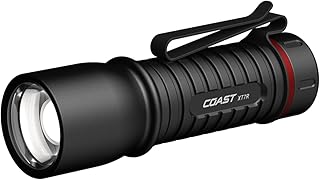 XT7R 1500 Lumen Rechargeable LED Flashlight with Magnetic Mount, Slide Focus, and Pocket Clip, Black
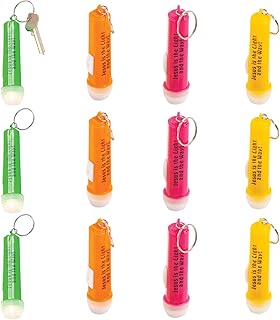 Express Jesus is The Light Flashlight Key Chains (Set of 12) Religious Party Supplies - VBS 2026 Vacation Bible School Supplies/Decor
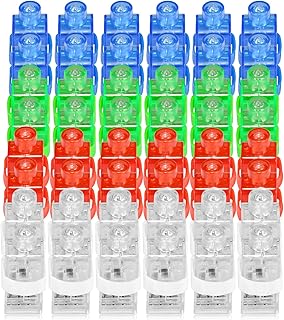 CADE ELECTRONIC Finger Lights- 50Pcs Finger Flashlights for Kids-Bachelorette Party Favors - Party Supplies for Parties Cheering Novelty Toys for Kids, Adult