Introduction
Choosing the right oem led lighting manufacturer is a critical decision for global importers, wholesalers, distributors and project contractors. The right partner affects product performance, compliance, profit margins and project timelines. This guide gives a practical, buyer-focused checklist so you can evaluate manufacturers, mitigate risk and accelerate procurement.
Why choose an OEM LED lighting manufacturer?
OEM partnerships let buyers control product design, branding and specifications while leveraging a manufacturer’s engineering and production capacity. For buyers who resell under a private label or need fixtures tailored to a project, an experienced oem led lighting manufacturer provides the design-for-manufacture (DFM), certification support and supply chain scale required for global distribution.
Key technical specifications to verify
Technical performance drives buyer satisfaction. Insist on verified data and documentation for the following items:
- Lumen output (lm) and efficacy (lm/W) — measured at typical operating conditions, not just theoretical LED chip specs.
- Color metrics — CCT (Kelvin), CRI (Ra), and R9 where color rendering matters; request binning details.
- Lumen maintenance — LM80 test data and an L70 or L90 projection showing expected life hours.
- Photometrics — LM79 reports and IES files or photometric diagrams for lighting calculations and compliance.
- Thermal management — thermal resistance, heat-sink design and measured case temperature (Tc) under rated conditions.
- Electrical components — driver type, THD, PF, dimming protocols (0–10V, DALI, PWM), surge protection rating.
- Optics and glare control — beam angles, lenses, reflectors and UGR where applicable for interior lighting.
- Ingress and impact protection — IP rating (IEC 60529) for water/dust ingress and IK impact rating for physical durability.
- Materials and finishes — housing metallurgy, coatings, corrosion resistance and color fastness (salt spray tests if coastal use).
Quality assurance and factory testing
Understanding a manufacturer’s quality systems and test routines reduces defects in the field. Ask for details on:
- Factory quality certifications (ISO 9001) and internal QC checkpoints across PPAP stages.
- Incoming material inspection — components like LED chips, drivers, lenses and housings should be sampled and documented.
- Production testing — functional tests, flash testing, aging/burn-in (commonly 48–168 hours at elevated temperature), and final inspection.
- Environmental tests — thermal cycling, salt spray, vibration, and humidity tests for products destined for harsh environments.
- Electrical safety and EMC bench tests prior to certification applications.
- Third-party factory audits and pre-shipment inspections (PSI) — buyers should use independent inspection services when volume or risk is high.
Certifications and regulatory compliance
Global buyers must ensure products meet destination-market rules. Key certifications and documentation to request include:
- Safety: CE (Europe), UL/cUL (North America), SAA (Australia), ENEC (Europe), CCC (China) as needed.
- Performance: LM79, LM80, and IES photometric reports.
- Energy and label compliance: ENERGY STAR, DLC listings, regional energy codes.
- Environmental: RoHS, REACH declarations, and WEEE compliance information for end-of-life handling.
- EMC and Harmonics: documentation showing compliance with local EMC standards.
Request copies of certificates and test reports with matching product serial numbers or model codes to avoid generic documentation that doesn't apply to your specific product build.
Manufacturing capabilities and customization
Not all manufacturers offer the same scope. When selecting an oem led lighting manufacturer, verify capabilities for:
- Tooling and prototyping — in-house tooling reduces lead time for new designs; ask about typical tooling timelines and costs.
- PCB and driver assembly — some factories assemble PCBs and drivers in-house while others outsource; traceability matters.
- Optics manufacturing — ability to produce custom lenses and reflectors or source precision optics.
- Mechanical fabrication — die-cast aluminum, extrusions, stamping, powder-coating, anodizing and IP sealing processes.
- Custom labeling and packaging — private-label printing, multilingual manuals and project-specific packaging for on-site handling.
- Small-batch and mass production flexibility — confirm minimum order quantities (MOQs) and whether pilot runs are offered.
Typical timelines, MOQs and pricing models
Understand the commercial rhythm before committing:
- Sample and prototyping — functional samples typically 2–4 weeks; full-certification samples can take 4–8 weeks depending on lab scheduling.
- Tooling and first article — tooling 4–8 weeks for common parts; custom tooling for complex housings can be longer.
- Mass production lead times — 6–12 weeks is common for established products; custom products may take 12–20 weeks or more to ramp.
- MOQs — range widely: some LED modules may have MOQs as low as 100–300 pieces; finished fixtures and custom designs often require 500–2,000 pieces per item to hit economic pricing.
- Pricing models — unit price and tiered discounts by volume, value-engineered pricing for large projects, project-based quotes including logistics and duties.
Packaging, spare parts and after-sales support
Well-considered packaging and after-sales support reduce returns and site delays:
- Packaging optimized for freight and on-site handling; palletized shipments with clear packing lists and barcodes speed customs clearance.
- Spare parts availability — drivers, LED modules, lenses and mounting hardware should be stocked for the expected product life.
- Service level agreements (SLAs) and warranty support — define response times, RMA processes, and replacement lead times in your contract.
- Technical documentation — installation manuals, wiring diagrams, IES files, and maintenance recommendations in the buyer’s language(s).
Commercial terms, payment and logistics
Clear commercial terms lower financial risk and cash-flow surprises:
- Incoterms — clarify whether offers are EXW, FOB, CIF or DDP; DDP shifts customs and duty responsibilities to the manufacturer but increases cost.
- Payment terms — typical structures: 30% deposit, 70% before shipment; letter of credit (LC) for higher-trust transactions; NET terms for established partners.
- Currency and price validity — lock-in currency and validity period to manage exchange-rate exposure and component price fluctuations.
- Insurance and freight — agree who insures cargo during transit and whether factory packing includes export-grade crates or pallets.
Risk management and protecting your IP
When sharing product designs and brand assets, protect commercial interests:
- Sign non-disclosure agreements (NDAs) before sharing sensitive drawings or electronic files.
- Use written contracts that specify IP ownership, tooling ownership, and who may sell similar products to third parties.
- Control production by holding critical components as buyer-furnished items (BFI) if necessary.
- Consider staggered tooling payments, escrow, or third-party supervision for large investments.
Onboarding process and sample approval
A clear onboarding workflow saves time. A recommended sequence:
- Initial requirements and specifications — provide a tech pack with electrical, mechanical and photometric expectations.
- Design-for-manufacture review — manufacturer proposes changes to improve cost, reliability or compliance.
- Prototype and iterative samples — test fit, finish and photometrics; record changes and sign off with a sample approval report.
- Certification testing — complete LM79/LM80 and safety testing as required by market.
- Pilot production — run a small batch for logistics and installation validation before full production.
Sustainability and circular economy considerations
Buyers increasingly require sustainable products and supply chains. Evaluate manufacturers on:
- Energy-efficient product design and high lumens-per-watt performance to reduce lifecycle energy consumption.
- Use of recyclable materials and designs that simplify disassembly for end-of-life recycling.
- Supplier sustainability credentials — energy use, waste management and ethical sourcing of components.
- Offered programs for take-back, recycling or repair to extend product life and reduce waste.
Negotiation checklist for global buyers
Key negotiation items to include in quotes and contracts:
- Confirmed specification sheet and approved sample reference number.
- Delivery schedule with penalties for missed milestones if project-critical.
- Warranty period (commonly 3–7 years), coverage details and RMA procedure.
- MOQ, unit price tiers and tooling amortization terms.
- Who holds certifications and who pays for re-testing due to design changes.
- Inspection and testing rights, including third-party PSI details and hold-back if necessary.
How JECTE supports global buyers
JECTE is a lighting manufacturer and industrial supply partner for global buyers. For importers, wholesalers, distributors and contractors we offer:
- OEM and private-label production with custom tooling, labeling and multilingual documentation.
- Comprehensive testing and certification support including LM79/LM80, safety testing and assistance with regional listings.
- Flexible production scales from small pilot batches to high-volume runs, with transparent MOQs and tiered pricing.
- Supply chain and logistics coordination — EXW to DDP options, consolidated shipments and export-grade packing.
- After-sales support including spare-part stocking, warranty management and local-service coordination to protect your reputation in market.
Final checklist before signing
Before committing, confirm these essentials in writing:
- Approved sample sign-off with serial/model references.
- Complete bill of materials (BOM) and revision control process.
- Production lead times, pilot run parameters and full run schedule.
- Test reports and compliance certificates that specifically reference your product model.
- Commercial terms, warranty, payment schedule and dispute resolution clause.
Conclusion
Selecting an oem led lighting manufacturer is a strategic process that balances technical performance, regulatory compliance, manufacturing capability and commercial terms. Use the checklists in this guide to structure vendor conversations, reduce risk and speed time to market. For buyers who need a reliable partner, JECTE provides end-to-end OEM services — from engineering and prototyping to certification support and global logistics — tailored for importers, wholesalers, distributors and contractors.
If you are preparing a procurement brief or tender, assemble your technical pack, required certifications and estimated volumes, and share them with potential manufacturers to get comparable, actionable quotes.
Related Products
Explore related products from JECTE for your next sourcing project.
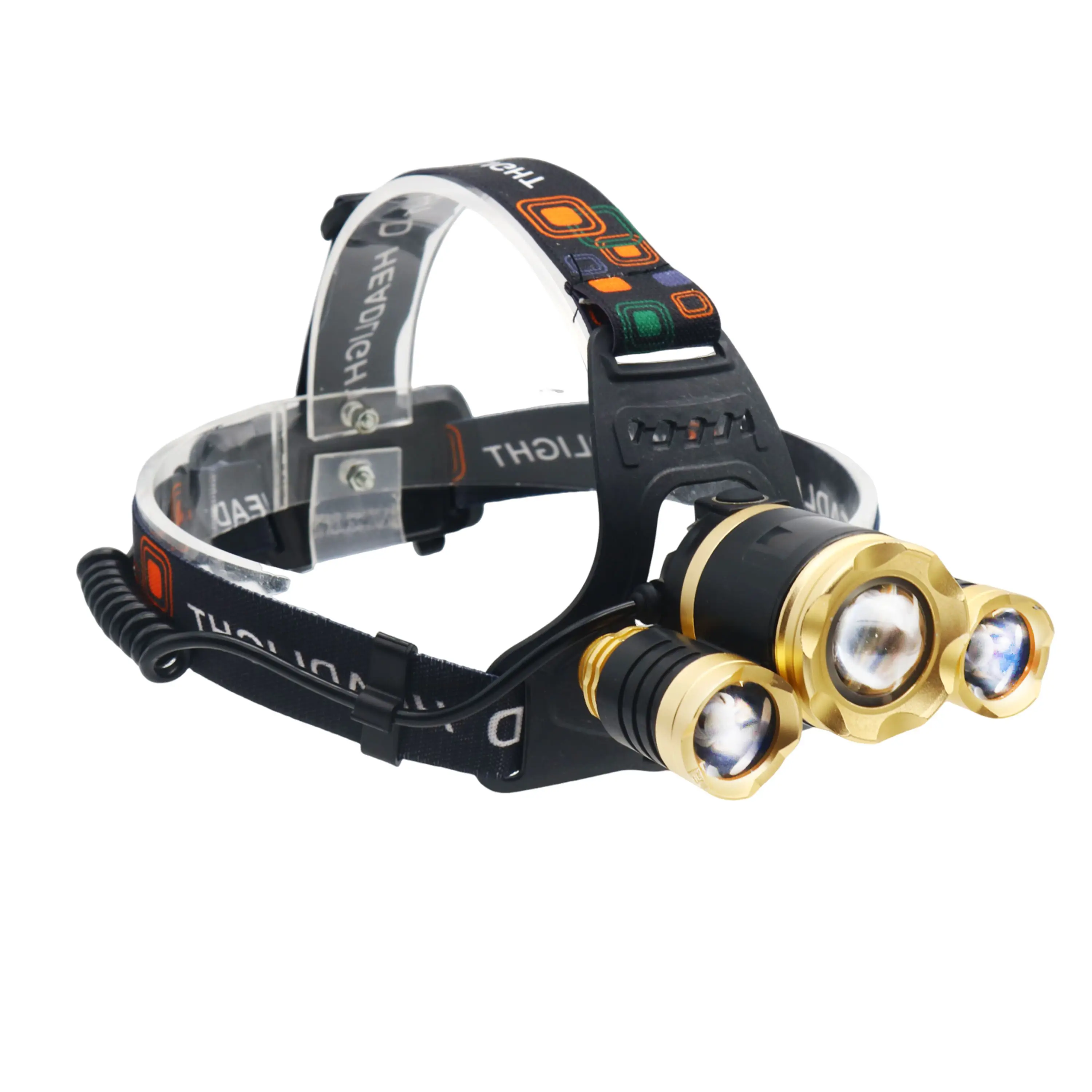 TS Lighting Linterna Frontal Linterna De Cabeza Recargable USB 4 Modos De Luz Headlamp LED for Camping
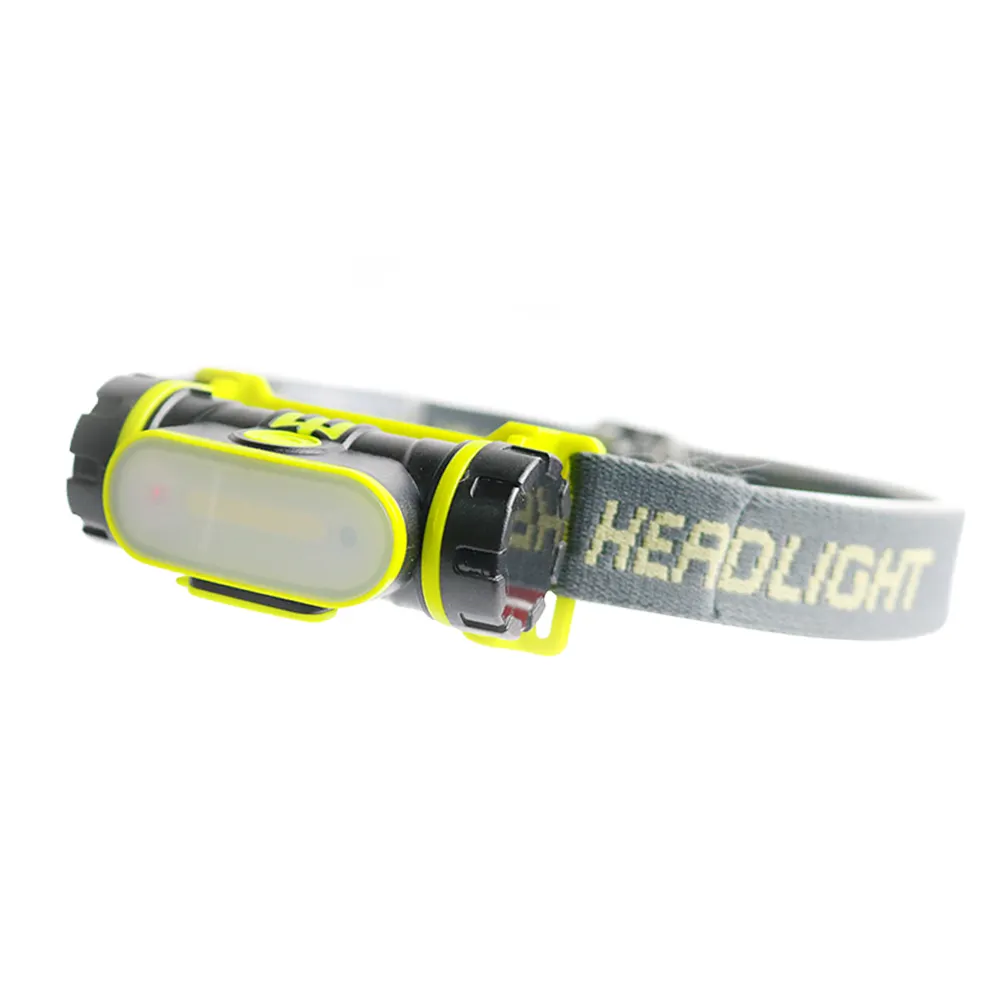 Ts Lighting 150 Lumens Sensor Headlamp,IP67 Waterproof LED Rechargeable Headlamp for Outdoor Camping
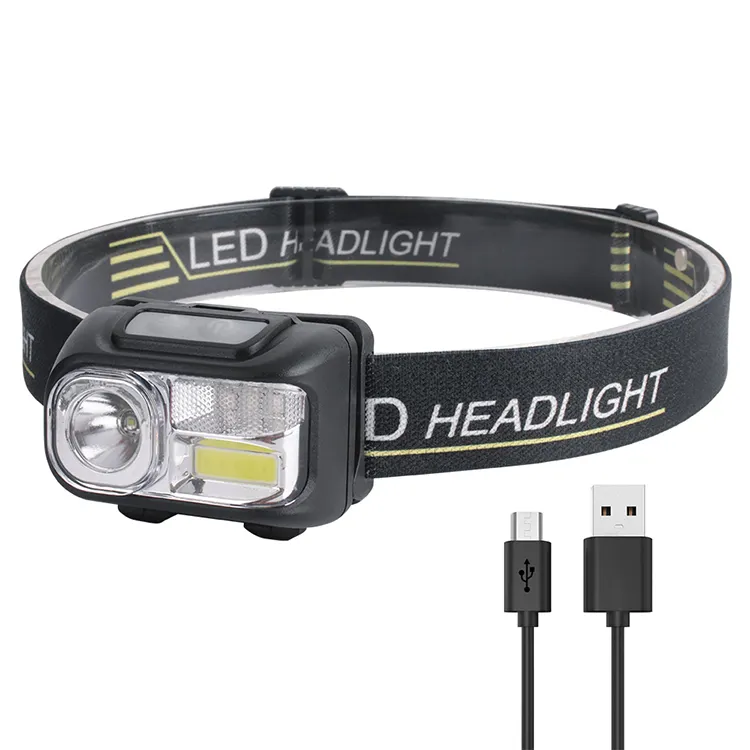 USB Rechargeable High Power Bright Sensor Headlamp XPE COB Induction LED Head Light White Red Blue Lighting for Bicycle Fishing
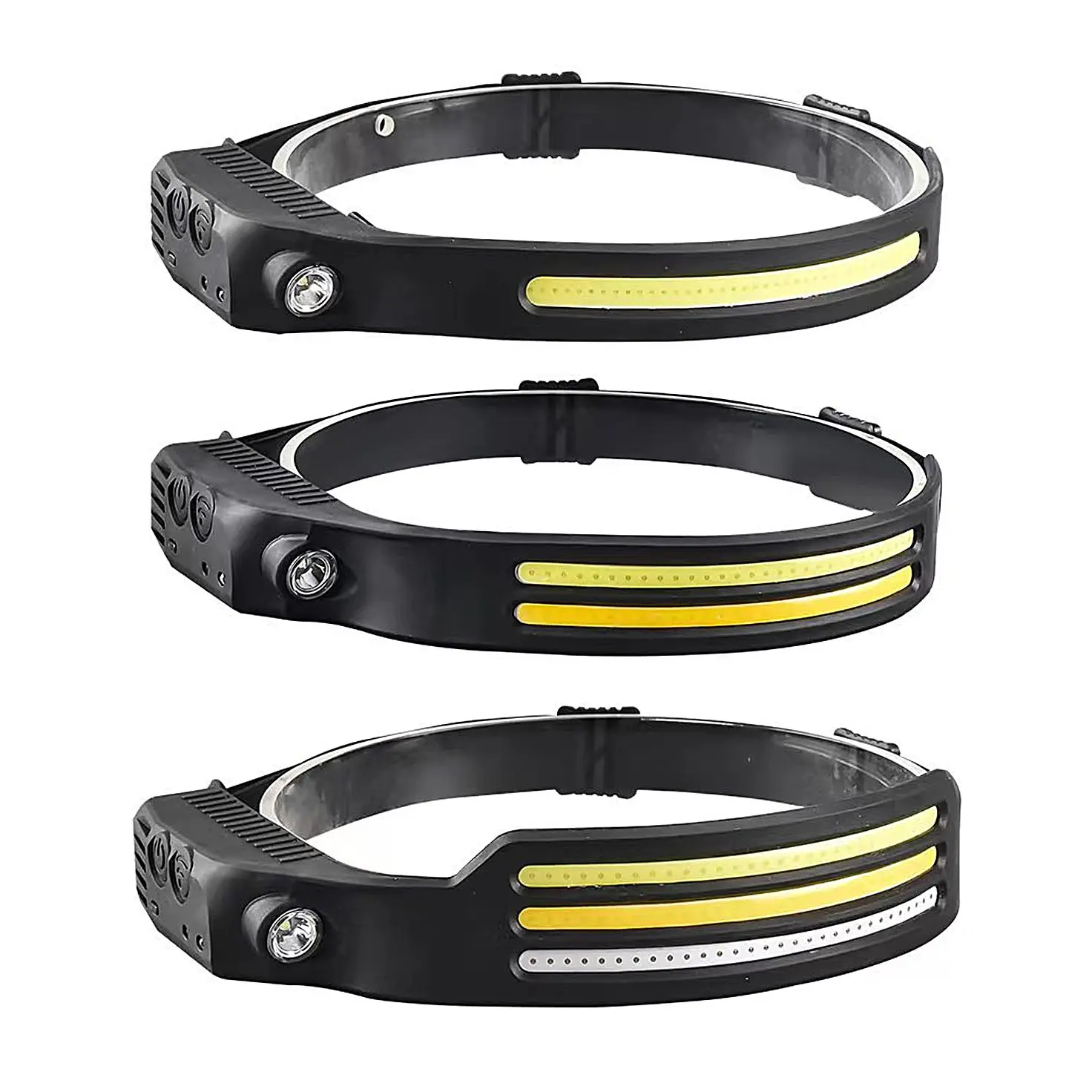 10 Lighting Mode Headlamp Led Rechargeable 3 Light Beam Headlight Motion Sensor Mining Headlamp With Clip