Introduction: Why specifications matter for flashlight buyers
For importers, wholesalers, distributors and project contractors, a flashlight is more than a simple lighting tool — it is a categorized product with technical performance, compliance and supply-chain implications. Selecting the right flashlight SKU portfolio affects customer satisfaction, returns, regulatory compliance and total cost of ownership. This guide outlines the technical criteria, testing standards, battery and shipping rules, sourcing and packaging considerations to help global buyers make informed purchase decisions. JECTE, as a lighting manufacturer and industrial supply partner, supports buyers with product development, testing and logistics services.
Key performance metrics and what they mean
When comparing flashlight models, look beyond marketing claims and insist on standardized test data. The ANSI/NEMA FL1 standard is widely used to report objective performance metrics:
- Lumen: Total light output. Useful to compare brightness across models, but not the whole story.
- Peak beam intensity (candela): Measures beam concentration. Higher candela = longer throw.
- Beam distance: Calculated from candela. Indicates how far the flashlight will effectively illuminate.
- Runtime: How long the light maintains a usable output, and under what output setting (high/eco).
- Water resistance: Typically reported as IPX ratings or the FL1 water resistance pass/fail.
- Impact resistance: Drop test height (meters) under FL1.
Require suppliers to provide FL1 test reports or equivalent lab data. This enables apples-to-apples comparisons and reduces customer complaints.
Choosing the right type of flashlight for your market
Different end-users demand different designs. Consider building a diverse SKU mix to address distinct segments:
- Everyday carry (EDC) flashlights: Compact, pocketable, moderate lumens (200–1,000 lm), USB-rechargeable, attractive retail packaging.
- Tactical flashlights: High output, single-handed operation, tail switch or tactical bezel, usually used by security, police and military contractors.
- Worksite & industrial flashlights: Rugged housings, high IP and impact ratings, long runtimes, compatibility with rechargeable battery systems and charging docks.
- Area lights and lanterns: Flood-beam designs for campsites, work areas and emergency kits.
- Headlamps & specialty lights: Hands-free options for contractors, outdoor wholesalers and OEM projects.
Optics and beam patterns: throw vs. flood
Beam design influences user experience. Consider offering both throw-oriented and flood-oriented models:
- Throw (spot) beams: Narrow, intense beams with higher candela and greater distance. Ideal for search and security.
- Flood beams: Wider, softer beams that illuminate close-range work areas. Preferred by tradespeople and camp/outdoor users.
- Adjustable or hybrid optics: Zoomable or multi-LED arrays that provide both flood and spot functionality are popular multi-use choices.
Power sources: batteries, runtime and charging
Battery technology is a critical differentiator for flashlights. Choose chemistries and charging options aligned with your distribution and customer needs.
- Alkaline (disposable): Low upfront cost, widely shippable without special battery compliance, but poor long-term cost and performance.
- NiMH rechargeable: Reasonable cycle life, lower energy density, often used in lower-cost rechargeable products.
- Li-ion (primary choice): High energy density and compact size. Typical cells are 18650, 21700, or integrated lithium polymer packs. Provide superior runtimes and power for high-output models.
- Battery capacity and runtime: Request runtime curves at multiple output levels and thermal behavior data. Runtime listed at the highest setting is useful, but include lower-mode runtimes for real-world scenarios.
- Charging: USB-C (including PD) and magnetic charging are common conveniences. Ensure charging circuits include overcharge, short-circuit and temperature protection.
Durability, materials and thermal management
Durability affects warranty claims and B2B reputation. Key aspects include:
- Housing materials: Anodized aircraft-grade aluminum is standard for premium models; reinforced polymer for lightweight and lower-cost lines.
- Corrosion and finish: Type III hard-anodizing improves scratch and corrosion resistance.
- Thermal design: High-power LEDs generate heat; heat sinks and thermal paths ensure stable performance and longer LED life.
- Seals and O-rings: Proper sealing is essential for IPX-rated water resistance and long-term reliability.
Regulatory compliance and certifications
Global buyers must confirm compliance to avoid customs delays and unsafe shipments:
- CE and RoHS: For EU market entry.
- REACH: Chemical substance compliance for Europe.
- FCC: Required if the product emits radio frequency (e.g., Bluetooth or wireless charging).
- UN38.3 and IATA/IMDG: Mandatory testing and documentation for shipping lithium batteries by air and sea. Ensure supplier provides UL or UN test reports and correct labeling.
- Local approvals: Some markets require BIS (India), EAC (Eurasian), or other national marks—plan for testing and paperwork if you target these regions.
Packing, labeling and shipping considerations for global importers
Battery-powered products require special attention for shipment. Key considerations:
- Dangerous goods classification: Lithium-ion batteries are Class 9 dangerous goods under IATA; packaging and documentation depend on cell capacity and configuration.
- Battery handling: For air freight, ensure cells meet UN38.3 and that shipping papers, labels and emergency response information are correct.
- Palletization and packaging: Use robust internal packaging to prevent shorting, shock, and moisture ingress. Offer retail-ready blister packs or bulk packaging for trade channels.
- Customs & documentation: Provide harmonized tariff codes (HS), test certificates, and declarations of conformity to ease customs clearance.
Sourcing strategy: MOQ, lead times and OEM/ODM options
Balance variety with inventory risk. Discuss these items with manufacturers like JECTE to optimize supply:
- MOQ: Negotiable depending on complexity. Typical MOQ for custom-branded flashlights ranges from a few hundred to several thousand units.
- Lead times: Prototype and tooling add time. Standard production runs for established models typically take 4–8 weeks after order confirmation, depending on volume and season.
- OEM/ODM and private labeling: Manufacturers can offer custom logos, packaging, firmware programming and minor hardware changes. Confirm tooling and minimum quantities for custom parts.
- Inventory planning: Stock conservative safety levels for high-turn SKUs; consider consignment or vendor-managed inventory for large projects.
Quality assurance and testing you should request
Strong QA reduces returns and warranty costs. Require suppliers to provide:
- Sample preproduction units and full test reports (FL1, battery cycle data, thermal profiling).
- Production-line QC checklists and acceptance criteria for each lot.
- Aging tests and burn-in for battery-operated flashlights to expose early failures.
- Random batch sampling and third-party lab testing for critical claims when necessary.
Warranty, after-sales support and spare parts
After-sales policies influence brand trust. Key options for buyers to negotiate:
- Warranty length and coverage: Typical warranties are 1–5 years depending on product positioning.
- Return merchandise authorization (RMA): Clear RMA processes and turnaround times keep channels smooth.
- Spare parts availability: Batteries, chargers, O-rings and bezels should be available for multi-year support.
Commercial considerations: pricing, margins and total cost of ownership
When evaluating unit price, factor in the total cost of ownership:
- Product cost vs. perceived value: Higher-spec models can command better margins but require proof points (test data and certifications).
- Accessory bundles: Chargers, spare batteries, holsters and retail kits increase average order value.
- Warranty and service costs: Higher warranties increase unit cost; evaluate historical failure rates to model reserve costs.
- Logistics & customs: Duty rates, shipping mode and battery surcharges affect landed cost significantly.
How JECTE supports global buyers
As a lighting manufacturer and industrial supply partner, JECTE provides:
- Specification support and FL1 testing to substantiate claims.
- OEM/ODM development, tooling and private-label solutions with flexible MOQ options.
- Assistance with battery testing, UN38.3 documentation and packing declarations for international shipping.
- Quality control systems, lot traceability and post-sale support tailored to distribution partners and contractors.
Checklist for buyers: minimum requirements to request from suppliers
- ANSI/NEMA FL1 test report (lumens, runtime, peak candela, beam distance, impact and water resistance).
- UN38.3 and battery manufacturer test certificates if the product contains lithium cells.
- CE, RoHS, FCC or local certifications relevant to your target markets.
- Detailed BOM, housing material, LED model and driver specifications.
- Sample units for hands-on evaluation, including packaging and accessory samples.
- Declared lead times, MOQ and pricing tiers for volume breaks.
- Warranty terms, RMA process and spare-parts lead times.
Conclusion: selecting the right flashlight portfolio
For global wholesalers, distributors and contractors, a data-driven approach to flashlight procurement reduces risk and increases customer satisfaction. Insist on standardized performance data, battery compliance and robust QA before you order. Consider offering differentiated SKUs for EDC, tactical, industrial and headlamp markets. Work with a manufacturing partner like JECTE to access testing, OEM services and logistics expertise to streamline sourcing, certification and distribution.
Next steps
Request a spec sheet and FL1 test report for any flashlight model under consideration. Ask your supplier for sample units and UN38.3 battery documentation if applicable. If you need customized designs, MOQ guidance, or shipping and compliance support, JECTE can assist with product development, testing and global logistics to bring the right flashlight lineup to your market.
Related Products
Explore related products from JECTE for your next sourcing project.
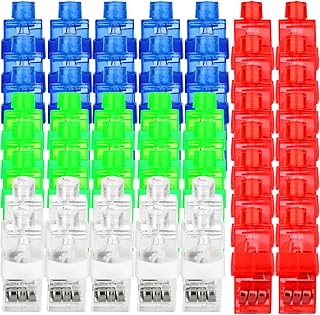 60Pcs LED Finger Lights Flashlights for Kids Glow Party Favors Birthday Christmas Halloween Supplies
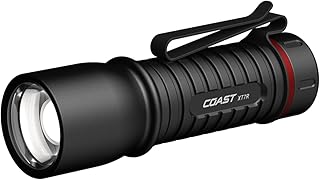 XT7R 1500 Lumen Rechargeable LED Flashlight with Magnetic Mount, Slide Focus, and Pocket Clip, Black
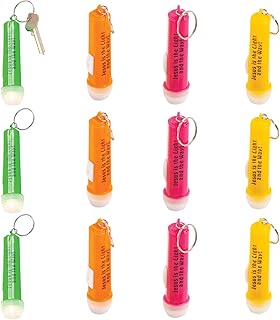 Express Jesus is The Light Flashlight Key Chains (Set of 12) Religious Party Supplies - VBS 2026 Vacation Bible School Supplies/Decor
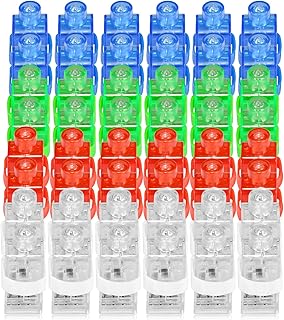 CADE ELECTRONIC Finger Lights- 50Pcs Finger Flashlights for Kids-Bachelorette Party Favors - Party Supplies for Parties Cheering Novelty Toys for Kids, Adult