Introduction: Why this flashlight buying guide matters for B2B buyers
Flashlights are simple products at first glance, but performance and buyer value vary widely by LED, optics, power system, materials, and quality control. For importers, wholesalers, distributors, and project contractors, selecting the right flashlight range affects margins, returns, compliance and reputation. This guide helps you develop technical specs, source reliable manufacturers, and evaluate samples so you can scale profitable product lines or specify fixtures for projects.
Understand core flashlight performance metrics
Before sourcing, align internally on performance priorities. The following metrics are used by buyers and end customers to compare flashlights.
Lumen output and useful lumens
Lumens measure total light emitted by the flashlight. For practical comparisons focus on useful lumens—how much light reaches the target when considering optics and beam control. Segment typical lumen ranges by application:
- Keychain / utility: 20–200 lm
- Everyday carry (EDC): 200–1000 lm
- Tactical / searchlight: 1000–4000+ lm
- Industrial/Mining: 500–2000 lm with certified classifications
Beam distance and candela
Beam distance (meters) often ties to candela, which indicates intensity in a specific direction. Buyers targeting security or search operations should prioritize higher candela and narrow-beam optics; flood applications need lower candela and wider beam angles.
Runtime and output regulation
Runtime is frequently misleading unless paired with regulation details. Request runtime measured using the ANSI/NEMA FL1 standard or manufacturer-provided run-down curves. Look for regulated drivers that maintain output over time and include thermal step-down to protect LEDs and batteries.
Battery chemistry and charging
Battery type influences cost, weight, runtime, and logistics. Common options:
- Alkaline (AA/AAA): cheap, widely available, low upfront cost but limited runtime.
- NiMH rechargeable: sustainable for mid-range runtime; needs external charger or integrated charging.
- Li-ion (18650/21700/26650 or built-in cells): high energy density and runtime; requires battery protection and compliant shipping procedures.
For B2B lines, USB-A/USB-C integrated charging or magnetic chargers increase retail appeal. Confirm cell sourcing and protection circuits to manage safety and transport compliance.
Key design and build considerations
LED type and color temperature
High-power Cree, Nichia, Samsung or Osram LEDs are common choices. Color temperature (measured in Kelvin) affects user perception:
- Warm white (2700–3500K) for comfortable, non-glare illumination
- Neutral white (3500–4500K) for balanced color rendering
- Cool white (5000–6500K) for crisp, high contrast work lighting
For applications requiring color accuracy, specify CRI (Color Rendering Index) 70+ or 80+.
Optics: reflector vs. TIR
Reflectors create long-throw beams and are typical in tactical lights. TIR (Total Internal Reflection) lenses provide even, predictable flood beams and are common in compact EDC lights. Choose optics based on intended use and marketing positioning.
Housing material and finish
Aluminum alloys (often 6061-T6 or 6063) are standard for durability and heat dissipation. Stainless steel is used for bezel or clip components when corrosion resistance is critical. Polymer housings lower cost and weight for consumer segments. Finish options affect durability (anodizing types like Type III hardcoat are preferred for industrial/tactical lines).
Ingress protection and impact resistance
Specify minimum IP and impact ratings appropriate to your market:
- IPX4: splash resistant — suitable for casual use
- IP67: dust-tight and short-term submersion — common for professional tools
- IK ratings or specific impact-drop tests (e.g., 1m–2m drops) for rugged products
Switch type and user interface
Tail switches, side switches, and magnetic controls each suit different applications. For tactical and professional tools, a reliable mechanical switch with tactile feedback is critical. For consumer EDC, single-switch interfaces with mode memory are popular. Confirm cycle life and waterproofing around switch assemblies.
Safety, certifications and compliance
B2B buyers must ensure products meet applicable regulatory and transportation rules. Typical certifications and checks include:
- CE and RoHS for EU market entry
- UN 38.3 and IATA/IMDG compliance for shipping lithium batteries
- FCC for any wireless charging or radio components
- UL or ETL listings if marketing to North American professional buyers who require tested electrical safety
Request test reports and factory accreditation documents from suppliers and maintain a file for compliance audits.
Procurement considerations: pricing, MOQ, packaging and lead time
Understand the factors that influence cost and lead time so you can negotiate effectively.
Bill of materials and pricing drivers
Major cost drivers include LED emitter choice, battery cells, optics, driver electronics, housing material and surface treatment. Integrated charging circuitry and smart features (Bluetooth control, multiple output modes) add BOM cost but can command premium pricing.
Minimum order quantities and tooling
Manufacturers often offer lower MOQs for standard SKUs but require higher volumes for custom housings, colors, or private-label branding. Discuss tiered pricing and lead times for MOQ and for higher-volume runs.
Packaging and kits
Packaging affects retail presentation and freight volume. Options range from simple bulk cartons to retail-ready blister packs and full accessory kits (holster, lanyard, charger, spare o-rings). Consider eco-friendly packaging as a selling point in many markets.
Lead times and inventory planning
Plan for component lead time variability—LEDs, battery cells and specialized ICs are often constrained. Build reorder points into procurement planning and consider safety stock for high-turn SKUs. Ask suppliers for realistic lead-time ranges and production capacity.
Sample evaluation checklist for buyers
When evaluating prototypes or production samples, use a consistent checklist to compare suppliers objectively.
- Performance: measured lumen output, beam distance (ANSI FL1 where possible), runtime at high and medium modes
- Thermal behavior: temperature rise at the emitter and housing, thermal throttling behavior
- Battery and charging: actual measured runtime with specified battery; verify charging time and protection circuitry
- Mechanical: housing material verification, dimensions, weight, finish quality, switch feel and backlash
- Sealing: IP test results or verification (submersion or spray tests)
- Durability: drop tests to specified heights, corrosion tests if applicable
- Labeling and documentation: user manual clarity, warranty statement, regulatory markings
Customisation and private-label options
B2B buyers frequently require branding and tailored specifications. Typical custom options include:
- Logo engraving, custom finishes or colors
- Reprogrammed driver modes (e.g., simplified UI for emergency kits)
- Accessory bundles and custom packaging
- Specialized safety markings for regulated industries (e.g., ATEX/explosion-proof certifications)
Discuss minimum quantities, lead times, and tooling costs early in negotiations.
Warranty, returns and after-sales support
Establish clear warranty terms (common ranges: 1–5 years) and define RMA processes to reduce downstream friction. Ensure the manufacturer provides spare parts like o-rings, lenses, switches and driver modules to support repairs and reduce returns. For distributors and wholesalers, clear repair or replacement policies are crucial to protect margins and customer satisfaction.
Selecting the right flashlight families for target markets
Match product features to your customers’ needs:
- Retail/online general consumers: focus on price, compact size, USB charging and attractive packaging
- EDC and tactical customers: prioritize high CRI options, durable housing, tactical bezels, and high candela models
- Industrial and construction markets: require IP67, regulated output, long runtime, and robust warranty
- Emergency services and maritime: require high lumen output, corrosion-resistant materials, and compliance with sector-specific standards
Questions to ask suppliers
Use the following to qualify manufacturers:
- Can you provide ANSI/NEMA FL1 test reports and independent lab certifications?
- What are your standard and bulk MOQs? What are lead times for standard vs custom orders?
- Where do you source LED emitters, batteries and driver ICs? Can you provide traceability?
- Do you support OEM/ODM design and small-batch prototyping? What are tooling costs?
- What is your standard warranty and RMA policy? Do you stock spare parts?
Why partner with a manufacturer like JECTE
As a lighting manufacturer and industrial supply partner, JECTE helps global buyers move from specification to production with engineering support, factory quality control, and logistical coordination. For importers, wholesalers, distributors and contractors, a partner who understands certifications, battery transport rules and aftermarket support shortens time-to-market and reduces risk.
Final procurement checklist
Before issuing a purchase order, confirm:
- Technical spec sheet including lumen, beam distance, runtime curves, battery type and charging method
- Compliance documents and test reports for target markets
- Accepted sample sign-off and production sample approval process
- MOQ, unit price, tooling costs for custom items, and tiered pricing
- Packing specification, labeling requirements, and warranty terms
- Logistics plan addressing lithium battery shipping and customs documentation
Armed with the right technical criteria, supplier questions and sample evaluation process, B2B buyers can source flashlight products that meet market needs and minimize quality and compliance risk. If you are evaluating partners or need help defining technical specifications, JECTE can provide engineering support, sample production and regulatory guidance to accelerate your procurement cycle.
Contact JECTE to discuss flashlight specifications, OEM/ODM options, and sample evaluations tailored to your distribution or project needs.
Related Products
Explore related products from JECTE for your next sourcing project.
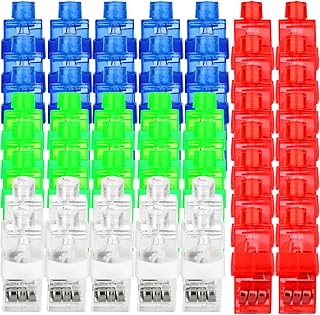 60Pcs LED Finger Lights Flashlights for Kids Glow Party Favors Birthday Christmas Halloween Supplies
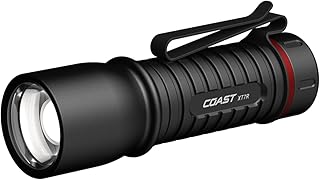 XT7R 1500 Lumen Rechargeable LED Flashlight with Magnetic Mount, Slide Focus, and Pocket Clip, Black
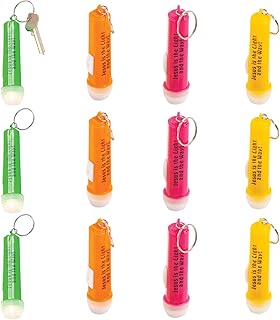 Express Jesus is The Light Flashlight Key Chains (Set of 12) Religious Party Supplies - VBS 2026 Vacation Bible School Supplies/Decor
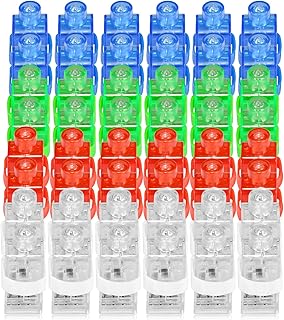 CADE ELECTRONIC Finger Lights- 50Pcs Finger Flashlights for Kids-Bachelorette Party Favors - Party Supplies for Parties Cheering Novelty Toys for Kids, Adult