Introduction
Flashlights remain an essential product line for lighting importers, wholesalers, distributors and project contractors. Advances in LED technology, battery chemistry and ruggedized construction have expanded use cases from consumer convenience to industrial inspection, search & rescue and hazardous-area operations. This guide focuses on what professional buyers need to evaluate—technical specifications, compliance and practical procurement factors—so you can source reliable, cost-effective flashlights for global markets.
Why precise specification matters for B2B buyers
Unlike consumer impulse purchases, B2B flashlight orders often involve higher volumes, custom branding, project timelines and regulatory obligations. Choosing the right product avoids costly returns, non-compliant shipments and poor field performance. Standardized testing, clear documentation and supplier capability are as important as unit price.
Key technical specifications to evaluate
Ask suppliers for objective test data and sample units. Compare products against the ANSI/NEMA FL1 standard (or equivalent) which provides consistent measurement for performance claims.
Lumen output and usable light
- Range: 50–3,500+ lumens. Determine required output by use case: inspection (50–300 lm), tactical/search (500–2,500 lm), industrial flood/area lighting (1,000+ lm).
- Look for FL1-verified lumen numbers and test reports rather than marketing claims.
Beam pattern and distance
- Flood vs throw: Flood (wide, even illumination) is best for close work; throw (narrow, focused beam) for search and signaling. Many models combine both with adjustable focus or multiple reflectors.
- Beam distance (meters) and peak beam intensity (candela) are meaningful metrics for search and rescue or security buyers.
Runtime and thermal management
- Runtime depends on battery capacity (mAh) and selected mode. Suppliers should provide runtime at specified lumen levels.
- Thermal regulation (step-down behavior or active cooling) affects sustained output and LED lifetime. High-output lights require heat-sinking and proper housing design.
Color temperature and CRI
- Color temperature typically ranges 2700K (warm) to 6500K (cool). For inspection or color-sensitive tasks, aim for higher CRI (80+ or 90+ for critical inspection).
Switches, modes and ergonomics
- Switch types: tail cap, side switch, rotary, or magnetic. Consider glove-friendly designs for industrial use.
- Modes: low/medium/high, strobe, SOS. Ensure mode memory behavior and lockout function to prevent accidental activation in transit.
Materials and finish
- Bodies: 6061-T6 or 6000-series aluminum with hard-anodized finish for shock and corrosion resistance; high-grade polymers for lightweight, non-conductive applications.
- Lens options: tempered glass, polycarbonate, or TIR optics for better beam control.
Ingress and impact protection
- IP ratings: IP65 for dust-tight and water jets, IP67 for temporary immersion, IP68 for continuous immersion—choose by application.
- Impact ratings: IK07–IK10 or an imperial equivalent (drop tested to specific meters) for rugged use.
Light source and driver technology
LED technology and driver design dictate efficiency, flicker, dimming quality and longevity.
- LED types: High-power single-die LEDs for throw; arrays for higher lumen flood output.
- Driver characteristics: Constant-current drivers provide stable light and longer LED life. PWM-based drivers are common—ask for PWM frequency to confirm flicker is not an issue for inspection or camera use.
- Thermal shutoff, overcurrent and reverse-polarity protection are desirable safety features.
Batteries and charging—procurement & shipping considerations
Battery chemistry, capacity and shipping rules are crucial for global logistics and after-sales support.
Common battery options
- Alkaline (AA/CR123A): low cost, wide availability, suitable for basic models.
- NiMH (AA, rechargeable packs): safer for transport, lower energy density than Li-ion.
- Li-ion (18650, 21700, proprietary packs): best energy density, rechargeable, but subject to stricter transport regulations.
Charging options
- USB-A, USB-C, micro-USB, or dedicated charging docks. USB-C fast-charge is a market expectation for modern rechargeable models.
- On-board charging is convenient—ensure charge controller safeguards and power input protection.
Regulatory and transport rules
- Li-ion batteries must comply with UN38.3 testing for transport and have proper labeling and safety data sheets (MSDS). Airlines impose additional restrictions for packed and loose batteries.
- Distributors importing batteries should budget for DG paperwork, possible air freight restrictions, and additional freight costs.
Certifications and compliance
Certifications demonstrate product safety and access to regulated markets.
- Safety: CE (EU), UKCA (UK), UL or ETL (North America) as applicable.
- Electromagnetic compatibility: EMC testing for markets that require it.
- Material and chemical: RoHS, REACH restrictions for lead, mercury, etc.
- Hazardous area: ATEX or IECEx certification for tools used in explosive atmospheres (oil & gas, mining).
Form factors and common use cases
Match form factor to application—resellers should carry differentiated SKUs rather than a single “general-purpose” model.
- Handheld tactical: compact, high-output, tail-switch, weapon-mountable options for security and law enforcement.
- Inspection/penlights: narrow beams, high CRI, small form for HVAC, electrical and automotive technicians.
- Headlamps: hands-free with multiple mounting and tilt options—important for contractors and search teams.
- Area lights/lanterns: flood illumination for work sites and camping retailers.
- Hazardous-area flashlights: ATEX/IECEx certified for flammable atmospheres.
Procurement considerations: MOQ, lead times, pricing and customization
Establish procurement terms upfront to avoid surprises.
Minimum order quantities & pricing structure
- MOQ: Stock models often have low MOQs (hundreds); custom branding or tooling may require higher MOQs (1,000–5,000+ units depending on supplier).
- Tiered pricing: Request price breaks at realistic volume thresholds and get FOB/CIF quotes to compare landed costs.
Lead times and inventory planning
- Typical lead times: 30–90 days for production depending on model complexity and seasonal demand. Plan safety stock for peak seasons or project rollouts.
- Expedited options: Ask about air shipment for samples and small production runs, and buffer times for battery testing and certification.
Customization & private label
- Marking options: laser engraving, silk-screen printing, colored anodizing and custom packaging available from many manufacturers. Confirm permanency and legibility of markings required by local regulations.
- OEM/ODM: Request design-for-manufacturing support and sample iterations before committing to tooling costs.
Quality control, testing and documentation
Demand transparency on testing procedures and quality systems.
- Factory standards: ISO 9001 indicates quality systems; verify with audit reports if necessary.
- Performance testing: Ask for ANSI/NEMA FL1 test reports, integrating sphere measurements for lumens, runtime tests, IP and impact test records.
- Batch traceability and incoming inspection criteria for critical components like LEDs, drivers and batteries.
Packaging, warranty and after-sales support
Packaging choices affect retailability and shipping efficiency. After-sales service impacts total cost of ownership.
- Packaging: bulk cartons for distribution vs retail-ready blister packs. Include clear labeling for battery type and safety information.
- Warranty: Typical warranties range from 1–5 years. Clarify coverage for batteries and wear items, and RMA procedures.
- Spare parts & repairs: Availability of spare O-rings, chargers and replacement batteries is a competitive advantage.
Logistics and import compliance
Plan shipment and customs documentation for products containing batteries and electronic components.
- Customs HS codes for flashlights and batteries—confirm classification to estimate duties.
- Dangerous Goods handling for Li-ion batteries: proper packaging, documentation and carrier acceptance are required for exports and air freight. Sea freight has different restrictions and may be preferable for large orders.
- Labeling: Country-of-origin, CE/UKCA marks, FCC/IC numbers where required, and WEEE markings in the EU if applicable.
Supplier evaluation checklist
Use this practical checklist when qualifying suppliers and models.
- Are performance claims validated by ANSI/NEMA FL1 or laboratory test reports?
- What IP, IK and thermal ratings are provided, and are test results available?
- Do batteries have UN38.3 compliance and are SDS/MSDS available?
- Which market certifications (CE, UL, ATEX/IECEx) does the model hold?
- What are MOQ, lead time, price breaks and sample policies?
- Is there a written warranty, RMA procedure and spare parts availability?
- Does the supplier offer private label, custom packaging and serialization if required?
- Can the supplier support drop shipments, consolidation and documentation for global customs?
How JECTE supports global buyers
JECTE manufactures industrial-grade lighting and partners with global importers, wholesalers, distributors and contractors. We provide design-for-manufacturing support, FL1-verified testing, UN38.3-tested battery packs, custom branding, and supply-chain services including consolidated shipping and compliance documentation. Our quality control protocols include batch traceability, incoming inspection for LEDs and batteries, and factory acceptance testing.
Practical next steps for buyers
- Define use-case requirements: lumens, beam type, runtime, environment (wet, explosive, extreme temperature).
- Request sample units and independent test reports before placing a production order.
- Obtain full compliance documentation (UN38.3, CE/UKCA, ATEX if required) and SDS for batteries.
- Negotiate MOQ, payment terms and lead times; include acceptance criteria in the purchase order.
- Plan logistics with DG considerations in mind—choose sea freight for bulk and air for time-sensitive shipments with proper documentation.
Conclusion
Purchasing flashlights for distribution or projects requires a balance of technical performance, regulatory compliance and supply-chain reliability. By focusing on verified specifications (ANSI/NEMA FL1), appropriate certifications, battery safety and realistic procurement terms, buyers can reduce risk and select products that perform in the field. If you need a partner who understands industrial requirements and global logistics, JECTE can support specification, testing and volume supply tailored to your markets. Contact your JECTE account representative to request samples, test reports and pricing.
Related Products
Explore related products from JECTE for your next sourcing project.
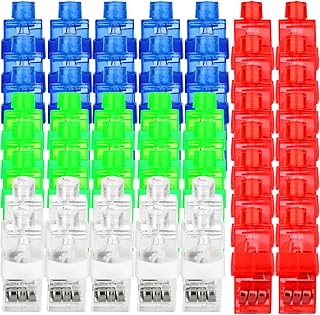 60Pcs LED Finger Lights Flashlights for Kids Glow Party Favors Birthday Christmas Halloween Supplies
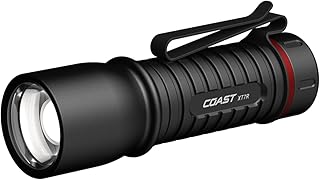 XT7R 1500 Lumen Rechargeable LED Flashlight with Magnetic Mount, Slide Focus, and Pocket Clip, Black
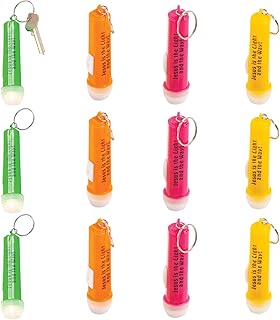 Express Jesus is The Light Flashlight Key Chains (Set of 12) Religious Party Supplies - VBS 2026 Vacation Bible School Supplies/Decor
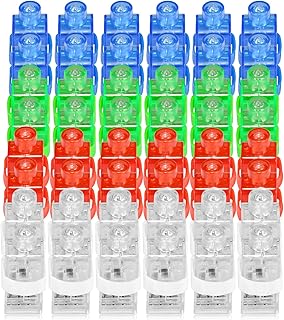 CADE ELECTRONIC Finger Lights- 50Pcs Finger Flashlights for Kids-Bachelorette Party Favors - Party Supplies for Parties Cheering Novelty Toys for Kids, Adult