Introduction
Selecting the right flashlights for distribution or projects requires more than picking a bright model. Buyers must evaluate optics, LED and driver design, power systems, environmental ratings, certifications and shipping constraints—especially for lithium battery variants. This guide is written for importers, wholesalers, distributors and project contractors who need clear, actionable purchasing criteria and an RFQ checklist. JECTE is a lighting manufacturer and industrial supply partner experienced in supporting global buyers and can adapt products to meet market, regulatory and branding requirements.
Why an informed purchase matters
Flashlights are used across many sectors—construction, mining, emergency response, retail and consumer—to perform critical tasks. Poor specification choices increase returns, warranty claims, and safety risks. High-quality, compliant flashlights protect end users and minimize lifecycle costs. For distributors, selecting the right SKUs establishes brand trust and reduces stock obsolescence.
Key technical specifications to evaluate
Lumen output and usable light
Lumens measure total light output but do not tell the full story. Balance peak lumens with usable beam characteristics:
- Low-power utility: 50–300 lm for close work and general-purpose carry.
- Mid-range: 300–1,200 lm for contractors, security and outdoor use.
- High-power / tactical: 1,200+ lm for search and rescue or long-throw needs.
Also ask for candela or beam distance figures—these describe throw and focus better than lumens alone.
Beam pattern and optics
Choose spot beams for long distance, flood beams for area illumination, or hybrid designs that combine both. For inspection and close utility use, flat, wide beams with even hotspots are preferred. For search applications, tight beams and high candela are essential.
Color temperature & CRI
Color temperature affects perceived brightness and color rendering. Typical options:
- Warm white (2700–3500K): softer, better for general comfort.
- Neutral to cool white (4000–6500K): appears brighter and better for detail work.
CRI (Color Rendering Index) matters for inspection and professional tasks—look for CRI ≥ 70 for general use, ≥ 80 for color-sensitive work.
Runtime and thermal management
Runtime specifications should indicate how long the light stays at usable output, and whether peak lumens are sustained or are short-duration turbo bursts. Good thermal design (heat sinks, aluminum housings) prevents thermal throttling and prolongs LED lifetime. Request manufacturer charts that show output over time.
Power sources: disposable vs rechargeable
- Alkaline batteries (AA/AAA/CR123A): widely available and low cost, but poorer performance at high drain and in cold temperatures.
- NiMH rechargeable (AA/AAA): cost-effective for mid-power products; good safety profile for shipping.
- Lithium primary (CR123A): compact, high-energy but single-use and classification implications for transport.
- Li-ion rechargeable (18650, 21700, or custom cells): best energy density and runtime; requires safety systems and compliant shipping documentation (UN38.3).
For distributors, rechargeable Li-ion models are high-margin but demand stricter quality control and safe shipping practices.
Charging options and convenience
USB charging has become standard. Consider:
- USB-C fast charging for speed and future-proofing.
- Magnetic connectors for rugged environments (reduces wear on ports).
- Charging docks or multi-bay chargers for workforce deployments.
Ensure the flashlight includes charging indicators and overcharge protection to reduce field failures.
Mechanical construction & durability
Materials
Aluminum alloy (commonly 6061-T6 or 6063) is standard for balance of weight and durability. Stainless steel and reinforced polymers may be used for corrosive environments or cost-sensitive consumer lines. Surface treatments—anodizing, hard-coat—improve scratch and corrosion resistance.
Ingress protection (IP) and impact rating (IK)
IP and IK ratings define environmental resilience:
- IPX4: splash-resistant (limited protection).
- IPX6/IPX7: high-pressure water jets and temporary immersion (good for outdoor use).
- IP68: dust-tight and sustained immersion (best for harsh environments).
For professional and industrial use, aim for at least IPX7 and IK07–IK10 impact protection.
Safety, standards and certifications
Global buyers must verify product conformity to legal and market standards. Common certifications and documents include:
- CE (safety and EMC compliance for EU).
- RoHS (restriction of hazardous substances).
- FCC (for devices with radio/USB circuitry in the U.S.).
- UN38.3 test report for lithium battery transport safety.
- IECEx / ATEX certification for intrinsically safe flashlights used in explosive atmospheres (mining, petrochemical).
- UL or ETL listing if required by North American customers for connected or mains-charging accessories.
Request factory test reports and certificates in advance of purchase. For batteries, insist on recognized cell brands and BMS protection details.
Quality control and testing to request
- Photometric reports (LM-79 / integrating sphere) showing lumen output, efficacy and CCT.
- Runtime graphs demonstrating sustained output vs time.
- IP and drop test reports consistent with claimed ratings.
- Battery cycle life data and safety test reports (UN38.3).
- Random batch testing and materials certificates for housings and optics.
Ask suppliers to include serial-numbered test records for initial orders and arrange third-party testing for high-volume SKUs.
Packaging, labeling and retail requirements
For wholesale and retail customers, packaging influences perceived value and shipping efficiency. Consider:
- Retail-ready packaging vs bulk clamshells/boxes for contractors.
- Barcode (EAN/UPC), SKU labeling, and multilingual manuals for target markets.
- Inner-case and master-carton quantities that optimize palletization and reduce transportation costs.
- Inserts for warranty registration and safety information.
Shipping and logistics: lithium battery handling
Li-ion batteries require special handling and documentation. Key points:
- Comply with IATA/IMDG regulations for air and sea transport—limits depend on cell capacity and packaging.
- Provide UN38.3 test certifications and correct labeling for Hazard Class 9 if applicable.
- Choose shipping methods and carriers familiar with lithium battery freight to avoid delays or rejections.
For distributors without hazardous-material logistics setup, consider supplying non-rechargeable or battery-free models for some markets.
Pricing, MOQ, lead times and warranties
Price depends on components (LED binning, driver complexity, battery type, optics), tooling for custom housings, and certification costs. Typical considerations:
- MOQ: consumer-grade models often have lower MOQs; industrial or custom-certified units carry higher MOQs due to testing and tooling.
- Lead times: off-the-shelf items may ship in weeks; customized or certified products require months for development and testing.
- Warranty: standard commercial warranties are 1–2 years; professional-grade often 3–5 years with service terms.
Negotiate clear warranty terms that define repair vs replacement, end-of-life support, and responsibility for shipping costs.
Customization and private label options
Distributors frequently request private labeling, custom packaging, or firmware changes (e.g., different output modes). Discuss the following with manufacturers:
- Branding options: laser engraving, colored finishes, boxed inserts.
- Firmware/driver customization: tailored modes, tactical switches, or user-lockout features.
- Accessory bundles: holsters, lanyards, head straps, vehicle chargers.
Document any custom requirements in an engineering change order with pricing and time impact before approving production.
Procurement checklist & RFQ template
Use this checklist and RFQ fields when requesting quotes to ensure apples-to-apples comparisons:
- Product name and model required
- Target lumen range and beam type (spot/flood/hybrid)
- Color temperature and CRI
- Battery type and capacity (e.g., 21700 5000mAh), rechargeable or disposable
- Charging method and connector type
- Runtime (specify turbo and sustainable output) and thermal protection
- IP and IK ratings required
- Required certifications (CE, RoHS, UN38.3, IECEx/ATEX, UL)
- MOQ, price breaks at volumes, lead times and sample availability
- Packaging type, carton quantities, barcode/labeling needs
- Warranty term and after-sales service policy
- Requested test reports (LM-79, IP test, drop test, battery reports)
- Customization needs: logo, color, user interface changes
Recommended specs by application
- Construction & contractors: 300–1,200 lm, neutral 4000K, IPX6/IPX7, robust aluminum, 18650/21700 rechargeable, USB-C charging, holster.
- Emergency services & search: 1,200+ lm turbo, high candela throw, multiple modes, strobe/SOS, IECEx if operating in hazardous zones, long runtime batteries and multi-bay chargers.
- Retail/consumer: 50–800 lm tiered SKUs, cost-effective materials, retail packaging and UPC, 2-year warranty.
- Inspection & industrial: even flood beam, CRI ≥ 80, adjustable output, IP68, ruggedized housings and headlamp variants for hands-free use.
How JECTE supports global buyers
As a lighting manufacturer and industrial supply partner, JECTE offers turnkey support for global importers, wholesalers and contractors. Services include product development, batch and photometric testing, certification management (CE, RoHS, UN38.3, IECEx), private labeling, and supply chain services including compliant packing and logistic options for lithium battery shipments. JECTE can help define target specifications, produce engineering samples, and scale production while maintaining QC processes and warranty workflows.
Final procurement tips
- Request sample units with full test documentation before placing production orders.
- Compare runtime curves and candela, not lumens in isolation.
- Confirm battery chemistry and shipping implications early in negotiations.
- Plan for spare parts and accessory SKUs (batteries, chargers, O-rings, holsters).
- Include acceptance criteria and post-delivery inspection plans in contracts to handle defects or nonconforming lots.
Conclusion
Choosing the right flashlight SKUs for distribution or projects requires careful evaluation of optics, power systems, durability, certifications and logistics. Well-specified products reduce warranty exposure, improve customer satisfaction, and accelerate market adoption. Use the RFQ checklist above and demand thorough test documentation. If you need manufacturer support—from engineering samples to certification and logistics—JECTE can work with your team to develop and supply flashlights that meet technical and commercial requirements worldwide.
Contact JECTE for tailored proposals, sample requests and pricing for volume orders.
Related Products
Explore related products from JECTE for your next sourcing project.
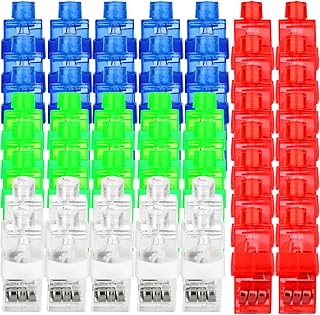 60Pcs LED Finger Lights Flashlights for Kids Glow Party Favors Birthday Christmas Halloween Supplies
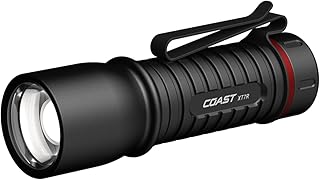 XT7R 1500 Lumen Rechargeable LED Flashlight with Magnetic Mount, Slide Focus, and Pocket Clip, Black
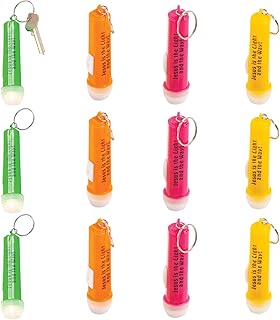 Express Jesus is The Light Flashlight Key Chains (Set of 12) Religious Party Supplies - VBS 2026 Vacation Bible School Supplies/Decor
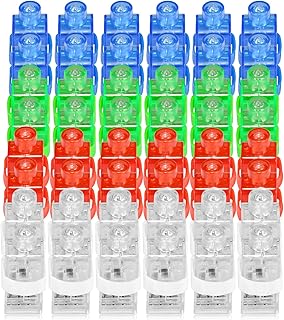 CADE ELECTRONIC Finger Lights- 50Pcs Finger Flashlights for Kids-Bachelorette Party Favors - Party Supplies for Parties Cheering Novelty Toys for Kids, Adult