Introduction: Why a structured approach matters
Flashlights remain a core industrial and consumer product category with broad applications—safety, inspection, utilities, military/tactical, and general-purpose lighting. For importers, wholesalers, distributors and project contractors, choosing the right flashlight products affects margins, returns and brand reputation. This guide outlines the technical specs, regulatory requirements, quality checks and sourcing considerations you should use when evaluating flashlight suppliers and product lines.
Key flashlight performance metrics buyers must evaluate
Use standard, comparable metrics when assessing models. The ANSI/NEMA FL1 standard is the most common reference for flashlights and defines core test methods and metrics. Ask suppliers to report FL1 test results or provide equivalent lab reports.
Luminous flux (lumens)
Lumens quantify total light output. Typical categories:
- EDC/compact: 100–1,000 lumens
- Tactical/industrial: 500–2,500 lumens
- Searchlights/beacons: 2,500+ lumens
Request tested lumen output at the highest mode and at sustainable levels—unregulated spikes are less useful than stable runtime output.
Beam distance and peak beam intensity
Beam distance (meters) and peak beam intensity (candelas) describe reach and hot-spot strength. Spot beams emphasize distance; flood beams give wide coverage. Consider end-use: inspection favors flood; search and security favor spot or hybrid beams.
Runtime and battery chemistry
Runtime should be measured to a defined cutoff (e.g., 10% of initial output) per FL1. Verify battery type—common options include AA/AAA, CR123A, and rechargeable lithium-ion (18650, 21700). Each has trade-offs in cost, weight, shipping, and cycle life.
Color temperature and CRI
Color temperature (Kelvin) and Color Rendering Index (CRI) matter for inspection, medical, and photography use cases. 4000K–5000K is neutral; high-CRI (>80) is preferable for accurate color discernment.
Durability: impact, ingress protection and materials
Common durability specs:
- Impact/drop rating (e.g., 1–2 meters)
- Water resistance: IPX ratings (IPX4 splash to IPX8 submersion)
- Housing: aerospace-grade aluminum (anodized), stainless steel, or high-performance polymers
Electrical and thermal design considerations
LED and driver selection
LED brand and binning affect efficacy and color. High-performance LEDs from reputable manufacturers typically deliver better lumen-per-watt and longevity. Drivers should provide regulated output to maintain consistent brightness and protect LEDs from current spikes. Ask whether the driver uses PWM dimming and whether frequency is high enough to avoid perceptible flicker.
Thermal management
High-output LEDs generate heat. Effective heat sinking and thermal paths (aluminum bodies, fins, thermal pads) are essential to prevent thermal throttling and extend LED lifespan.
Safety, batteries and regulatory compliance
Battery type and compliance are critical for shipping and market access.
Battery safety standards
- IEC 62133: battery cell and pack safety for many export markets—ensure compliance for lithium-ion packs.
- UL 1642: safety standard for lithium-ion cells common in North America.
- UN38.3: mandatory tests and documentation for air transport of lithium batteries; required for export shipments via air freight.
Product and material compliance
Key certificates to request:
- CE marking and Declaration of Conformity for EU market access (electrical safety, EMC where applicable)
- RoHS compliance regarding restricted substances
- EAC for Eurasian markets, and local approvals as required
Note: Flashlights seldom require FCC unless they include RF or wireless charging modules. Verify market-specific labeling and documentation requirements early.
Testing and quality control buyers should require
Insist on test evidence and set sample testing expectations prior to production. Common tests:
- FL1 photometric report (lumens, beam distance, runtime)
- Thermal cycle and overheating protection verification
- IPX water ingress testing (IPX4–IPX8 depending on claimed rating)
- Drop/impact testing per claimed height
- Battery cycle life and protection circuit tests
- Electrical safety verification and insulation testing
Use independent third-party labs for a pre-shipment report when scaling orders. Insist on keeping sample sets from production runs for future reference.
Product types and market segments to match with your channel
Different buyer channels favor different models:
- General retailers and e-commerce: compact EDC flashlights with retail-ready packaging, clear spec labels, and low defect rates.
- Tactical/security distributors: rugged higher-output models, tactical switches, weapon-mount compatibility, and feature durability.
- Industrial/utility contractors: long runtime, headlamps, hands-free options, and battery/swappable packs for continuous operation.
- Project contractors: OEM/ODM options, custom branding, specific certifications and bulk packaging solutions.
Packaging, labeling and branding options
Packaging affects shelf appeal and shipping efficiency. Options include retail boxes with hang tab, blister packs, and bulk cartons. For B2B buyers consider:
- Private-label and OEM branding with minimum order quantities (MOQs)
- Multi-unit packs and bulk SKUs for wholesale customers
- In-box documentation: user manual, warranty card, battery handling instructions, and compliance marks
Sourcing, pricing and MOQ expectations
Pricing varies by components, certifications, and customization. Typical considerations:
- Starter MOQ: compact consumer models may start 500–1,000 units; customized or certified industrial units often require higher MOQs.
- Unit pricing tiers: larger volumes unlock component discounts (LEDs, drivers, batteries).
- Lead times: 6–12 weeks typical for production after sample approval; certified and custom designs can take longer.
- Samples: request functional samples and pre-production samples (PPS) before committing to mass production.
Ask suppliers for a detailed cost breakdown (LED, driver, battery, housing, testing) to identify where savings can be negotiated without sacrificing quality.
Logistics and hazardous goods considerations
Lithium batteries impose shipping constraints and extra costs. Key points:
- Air shipments containing lithium batteries require UN38.3 test reports and compliant packaging; some carriers have restrictions.
- Sea freight is often used for bulk shipments but check packaging and stowage rules for lithium cell shipments.
- Consider arranging battery-free shipments for parts and separately shipping batteries under compliant channels if that lowers risk.
After-sales support, warranty and spare parts
Minimize returns and downtime by confirming support structures:
- Warranty terms and return RMA procedures
- Availability of spare parts: O-rings, switches, bezels, driver boards
- Repair/service options or exchange models for high-volume customers
Clear warranty policies and ready access to replacement parts reduce long-term costs for distributors and contractors.
Procurement checklist: 12 essential items to verify before placing a PO
- Obtain FL1 photometric report and verify lumen and beam claims.
- Confirm battery chemistry and request UN38.3, IEC 62133 and/or UL 1642 documentation if lithium is used.
- Request IPX test reports and impact/drop test evidence.
- Check LED and driver supplier brands and binning information.
- Confirm thermal management strategy and any overheat cut-off protections.
- Review sample units for fit, finish, and mode performance (PWM flicker, ramping vs stepped).
- Agree on MOQ, unit pricing tiers and lead times in writing.
- Confirm packaging, labeling and retail presentation options.
- Agree warranty terms, spare parts availability, and RMA flow.
- Define acceptance criteria and in-line/third-party inspection points.
- Verify export documentation and carrier restrictions for batteries.
- Obtain declarations of conformity for target markets (CE declaration, RoHS, etc.).
Quality assurance and acceptance sampling
Use statistically valid sampling for production acceptance and specify what fails the lot. Common acceptance tests include function, output verification, and visual inspection. For high-value or safety-critical lines, arrange a pre-shipment inspection and a random electrical test on 1–5% of units, including battery cycle tests.
Working with manufacturers: negotiation and partnership tips
- Start with a clear specification sheet and target price to avoid scope creep.
- Request design-for-manufacture suggestions—small changes can reduce cost while maintaining function.
- Negotiate staged payments: sample deposit, pre-production, and balance on shipment.
- Build a roadmap for new SKUs, variant options and co-branded designs to scale efficiently.
Why choose a manufacturing partner with supply-chain and compliance expertise
Purchasing flashlights from a partner who understands testing, battery regulations and market-specific compliance reduces risk and time-to-market. A manufacturer that coordinates testing, provides proper documentation and supports customization eases procurement and protects your brand in each destination market.
How JECTE supports global buyers
As a manufacturing and industrial supply partner, JECTE offers collaborative product development, in-house engineering for thermal and optical design, compliance support for battery standards, and coordinated testing and documentation. If you require private-label options, multi-SKU packaging or dedicated QC workflows, a partner experienced across markets shortens lead times and reduces compliance risk.
Final recommendations
Define buyer requirements by channel and project. Use ANSI/NEMA FL1 metrics to compare models objectively. Prioritize battery safety documentation and transport compliance. Demand sample testing and independent verification for critical claims such as lumens, runtime and IPX rating. Factor in spare parts, warranty and logistics costs into total landed cost. With the right specification, testing and supplier partnership, flashlights can be a reliable, profitable line for distributors and project contractors alike.
For procurement support, product customization or to request technical datasheets and sample proposals, contact your manufacturing partner to begin a structured sourcing process tailored to your markets and channels.
Related Products
Explore related products from JECTE for your next sourcing project.
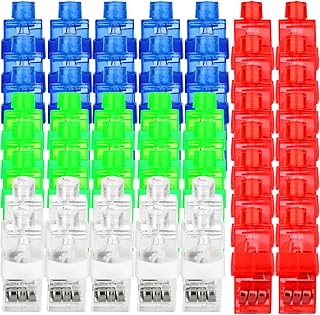 60Pcs LED Finger Lights Flashlights for Kids Glow Party Favors Birthday Christmas Halloween Supplies
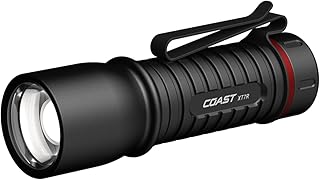 XT7R 1500 Lumen Rechargeable LED Flashlight with Magnetic Mount, Slide Focus, and Pocket Clip, Black
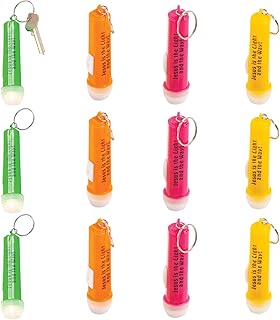 Express Jesus is The Light Flashlight Key Chains (Set of 12) Religious Party Supplies - VBS 2026 Vacation Bible School Supplies/Decor
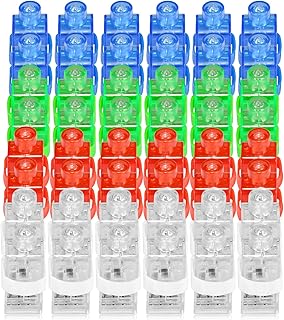 CADE ELECTRONIC Finger Lights- 50Pcs Finger Flashlights for Kids-Bachelorette Party Favors - Party Supplies for Parties Cheering Novelty Toys for Kids, Adult