Introduction
For importers, wholesalers, distributors and project contractors, buying flashlights is more than choosing a bright lamp. Successful procurement balances product performance, regulatory compliance, cost, lead times and after-sales support. This guide explains core technical metrics, batteries and logistics, manufacturing and testing expectations, OEM/ODM options, and negotiation tips to reduce risk and improve margins. JECTE is a lighting manufacturer and industrial supply partner experienced in serving global buyers—use this checklist when evaluating suppliers and product lines.
Flashlight Types and Typical Applications
Match product form and features to end-use to avoid returns and poor sell-through. Common types include:
- Tactical flashlights – Compact, high-lumen units with momentary/strobe modes for security and law enforcement.
- Everyday carry (EDC) – Small, durable lights optimized for convenience and pocket carry.
- Work/industrial lights – Hands-free headlamps or handheld lights with robust construction, high IP and long runtimes for construction and maintenance.
- Inspection/utility – Narrow-beam or adjustable-beam lights for electrical, plumbing or automotive inspection tasks.
- Area/flood lights & searchlights – Larger units for jobsite illumination, security and emergency response.
- Portable lanterns – For camps, emergency kits and extended-area lighting.
Core Technical Specs Buyers Must Prioritize
Technical specifications determine fit-for-purpose and customer satisfaction. Use standardized metrics to compare products objectively.
Lumen Output, Beam Distance and ANSI/FL1
Lumens measure total light output; beam distance (meters) and candela (peak beam intensity) describe how far light travels. Request measurements per ANSI/FL1 (or equivalent) to compare models reliably. Beware of unverified lumen claims—ask for photometric reports produced on an integrating sphere.
Runtime and Battery Runtime Curves
Runtime varies by mode and battery type. Suppliers should provide runtime curves (lumen vs time) showing thermal throttling and step-down behavior. For project contractors, consider runtime under continuous use and peak output duration.
Beam Pattern and Optics
Spot vs flood depends on application. Look for TIR optics for even beams in compact lights, glass or coated lenses for scratch resistance, and adjustable heads where multi-function is required.
Durability: Housing, Impact and Ingress Protection
Common housing materials include 6061-T6 aluminum (with Type III hard-anodized finish) and reinforced plastics for cost-sensitive SKUs. Specify IP ratings (IPX7/IPX8 for waterproof, IP6X for dust protection) and impact resistance (e.g., drop tests in meters or MIL-STD-810G compliance) for industrial products.
Thermal Management and Electronics
High-output LEDs require thermal regulation via copper cores, heat sinks and controlled driver output. Ask about driver design: constant current vs PWM, thermal throttle strategy, reverse polarity protection and transient voltage protection if used in vehicle environments.
Color Temperature and CRI
Color temperature (Kelvin) affects perception; 4000–5000K is common for task lighting. For inspection and color-critical work, specify CRI >80 or higher for accurate color rendering.
LEDs and Components
Popular LED chips include Cree, Nichia and Osram variants. Confirm LED binning, lifespan (L70), and availability of replacement modules. Component traceability helps with warranty and recall management.
Certifications and Compliance
Key certifications depend on target markets: CE (EU), RoHS, UKCA (UK), FCC (if devices include radio), UL or ETL (North America) for specific safety claims, and ATEX/IECEx for explosive environments. For lithium-battery shipments, UN38.3 test reports and IEC62133 certification are mandatory for many destinations.
Batteries and Charging Logistics
Battery chemistry determines performance, shipping complexity and cost. Common options include:
- Disposable: Alkaline AA/AAA — low cost, simple shipping.
- Primary lithium: CR123A, CR2 — high energy density, regulated as dangerous goods.
- Rechargeable Li-ion: 18650, 21700 or built-in cells (protected/unprotected) — offers best runtime-to-weight but requires compliance testing and careful shipping procedures.
- NiMH: AA/AAA rechargeables — safer for air shipments than Li-ion, moderate energy density.
For global distribution, factor in UN38.3 test reports, labeling requirements, airfreight restrictions and carrier-specific rules. Suppliers should advise on classification (UN numbers), packaging limits, and whether cells are shipped in equipment, with equipment or separately. For retail shipments, consider including spare battery restrictions and consumer safety instructions.
Manufacturing, Quality Control and Testing
Ask potential suppliers for a standard QC plan and testing documentation. Typical factory processes and tests include:
- Incoming materials inspection for LEDs, batteries and drivers.
- Functional testing for modes, runtime and charging circuits.
- Photometric testing with integrating sphere reports and beam profiles.
- Environmental testing: salt spray, thermal cycling and humidity tests for coastal/industrial markets.
- Mechanical tests: drop tests, torque tests for bezels and switches, and IP ingress tests.
- Battery cycle testing and overcharge/short-circuit protection verification.
Request factory certifications (ISO 9001), and consider third-party audits for higher-value contracts. Retain rights to inspect production lots or commission independent labs for pre-shipment checks.
Supply Chain Practicalities: MOQ, Lead Times and Packaging
Understand how supplier terms affect cost and time to market:
- MOQ: Standard stock SKUs often have low MOQs; custom colors, logos or molds increase MOQs substantially. Negotiate staged rollouts or pilot orders to validate market acceptance.
- Lead times: Typical production runs take 30–60 days after sample approval. Custom tooling or new battery approvals add 4–8 weeks.
- Packaging: Options include bulk packaging, individual retail boxes, or custom-branded POP boxes. Packaging impacts freight cube and retail shelf appeal.
- Incoterms and payment: Clarify EXW, FOB, CIF terms, and common payment methods (T/T, L/C). Establish credit terms once trust is built.
Pricing Drivers and Margin Considerations
Key elements that influence per-unit pricing:
- LED and driver quality: premium chips and regulated drivers cost more but reduce returns.
- Battery type and certification costs: Li-ion with UN38.3/IEC62133 will increase unit cost.
- Housing material and finish: anodized aluminum is pricier than ABS plastic.
- Certifications and testing fees: one-time and recurring costs should be amortized over order quantity.
- Packaging, accessories and warranty reserves.
- Freight, duties and local taxes.
Estimate landed cost per SKU including freight, duties and a warranty reserve—this helps set distributor pricing and expected margins.
OEM/ODM Customization Options
Many buyers pursue private-label flashlights. Typical customizations include:
- Logo laser-engraving or pad printing.
- Custom color finishes and anodizing.
- Tailoring of beam profile or firmware (different mode memory, lockout, strobe options).
- Accessory bundles: holsters, lanyards, mounts, chargers and spare batteries.
- Retail packaging and printed manuals tailored to market language and regulatory requirements.
Clarify intellectual property rights, minimum order quantities for molds or packaging, and lead times for production samples. Request prototypes before committing to mass production.
Logistics, Batteries and Regulatory Checklist
Before importing flashlights, confirm the following:
- Applicable product standards and certifications for each target market (CE/UKCA, UL/ETL, ATEX/IECEx if needed).
- Battery test reports (UN38.3, IEC62133) and classification for sea vs air freight.
- Dangerous goods paperwork and correct labeling for lithium batteries for carriers.
- Customs duties, HS codes and any anti-dumping measures affecting pricing.
- Local packaging, recycling (WEEE) and disposal regulations.
Warranty, After-sales and Spare Parts
Define warranty terms clearly: common warranties run 1–5 years depending on product class. For commercial and industrial buyers, negotiate extended warranties and service-level agreements. Ensure suppliers can provide spare parts—O-rings, switches, bezels, driver modules and battery replacements—and supply technical documentation for repairs.
Buying Checklist and Negotiation Tips
Use this checklist when evaluating suppliers and SKUs:
- Obtain ANSI/FL1 photometric reports and runtime curves.
- Confirm battery chemistry, UN38.3 and IEC62133 test reports.
- Verify IP and impact test data; request MIL-STD claims with test reports if asserted.
- Ask for sample units for hands-on testing and customer focus groups.
- Compare total landed cost (product + packaging + freight + duties + certification amortization).
- Clarify MOQ, tooling costs and payment terms up front.
- Request production and pre-shipment inspection options and sample retention policies.
- Negotiate partial shipments or staggered production for large orders to manage inventory risk.
How JECTE Supports Global Buyers
JECTE works with importers, wholesalers, distributors and project contractors to supply compliant, well-documented flashlight product lines and custom solutions. Our capabilities include:
- Engineering support for beam profiles, thermal design and driver firmware.
- QC and testing: photometric testing, runtime measurement, environmental and mechanical testing.
- Assistance with certification and battery transport documentation (UN38.3, IEC62133, CE/RoHS).
- Flexible OEM/ODM services: logo printing, packaging design and accessory bundles.
- Sample and pilot order programs, production transparency and scalable manufacturing.
Conclusion
Purchasing flashlights at scale requires a practical, technical and logistical approach. Prioritize verified performance data (ANSI/FL1), battery safety and shipping compliance, consistent QC and clear warranty terms. Negotiate MOQs and packaging to fit your channels, and ensure spare parts availability. Partnering with an experienced manufacturer and supplier like JECTE streamlines certifications, testing and OEM customization—reducing time-to-market and aftermarket risk. When evaluating offers, use the checklist in this guide to compare apples-to-apples and secure supply that supports your customers and business objectives.
For tailored samples, MOQ options, and certification support, contact JECTE to discuss product specifications and quote timelines for your target markets.
Related Products
Explore related products from JECTE for your next sourcing project.
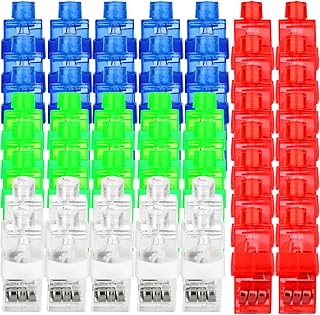 60Pcs LED Finger Lights Flashlights for Kids Glow Party Favors Birthday Christmas Halloween Supplies
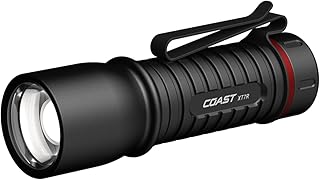 XT7R 1500 Lumen Rechargeable LED Flashlight with Magnetic Mount, Slide Focus, and Pocket Clip, Black
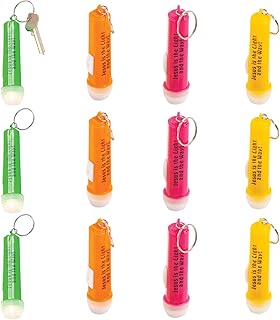 Express Jesus is The Light Flashlight Key Chains (Set of 12) Religious Party Supplies - VBS 2026 Vacation Bible School Supplies/Decor
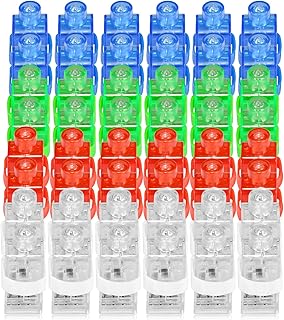 CADE ELECTRONIC Finger Lights- 50Pcs Finger Flashlights for Kids-Bachelorette Party Favors - Party Supplies for Parties Cheering Novelty Toys for Kids, Adult