Introduction: Why the right flashlight selection matters
Flashlights remain essential tools across industries: construction, mining, emergency services, utilities, retail and consumer kits. For importers, wholesalers, distributors and project contractors, choosing the right flashlight lines affects safety compliance, customer satisfaction, inventory turnover and profitability. This guide helps procurement teams evaluate product types, technical specifications, certifications, supply-chain considerations and quality checks to select flashlights that meet market needs and minimize risk.
Flashlight types and typical applications
Understand product segments before evaluating specs. Common flashlight categories and commercial uses include:
- Worksite/Utility flashlights: Durable, high-lumen, often with magnetic bases or hooks for hands-free use on construction, maintenance and inspection jobs.
- Tactical flashlights: Built for law enforcement, security and military; feature high output, strobe modes, tail switches and rugged construction.
- Safety & Emergency flashlights: Reliable, sometimes with integrated SOS/steady modes, long runtime and battery indicator—used in emergency kits and building safety stocks.
- Inspection/pen lights: Slim, low-profile lights for electricians, automotive and detailed inspection tasks.
- Mining/hazardous location flashlights (ATEX/IECEx): Explosion-proof designs for use in gas or dust environments.
- Everyday carry (EDC) flashlights: Compact, USB-rechargeable lights for consumers and professional users who need portability.
Core technical specifications buyers must evaluate
Manufacturers often highlight headline numbers, but importers need to drill into performance, durability and usability:
Lumens vs real-world output
Lumens measure total light output but don’t indicate usable beam at distance. Look for candela or beam distance specs to assess throw. For example, a 1000-lumen floodlight and a 1000-lumen spotlight behave differently. Ask for measured versus claimed metrics and request an integrating sphere or ANSI FL-1 test report when possible.
Beam pattern: throw, flood and adjustable optics
Determine whether your customers need focused long-range beams (search/rescue, security) or wide flood beams (work lights, area illumination). Zoomable or adjustable head designs add versatility but can complicate seals and durability.
Runtime and power management
Runtime is influenced by battery capacity, LED efficiency and driver design. Verify runtime at usable output levels (e.g., 200 lumens) rather than at low-output eco modes. Check for thermal regulation to prevent overheating and unwanted lumen drop-off.
Battery types and charging options
- Disposable cells: Alkaline (AA/CR123A) commonly used for wide distribution; lower upfront cost but higher long-term cost and waste.
- Rechargeable cells: NiMH cells are robust for many applications; Li-ion (18650, 21700) provide high energy density and long runtimes preferred in pro lines.
- Integrated rechargeable: USB-C charging is now standard for convenience; wireless charging is a premium option.
Consider channel preferences: emergency kits often favor disposables for shelf life, while professional users prefer Li-ion for performance and total cost of ownership.
Materials, construction and durability
Aircraft-grade aluminum bodies are common for tactical and work flashlights due to heat dissipation and impact resistance. Plastics (PC, ABS) are lighter and cheaper for consumer or safety lights. Check anodizing/finish, knurling for grip, and sealing interfaces to ensure performance in field conditions.
Ingress protection and impact ratings
IP ratings indicate water/dust resistance: IP65 is dust-tight and splash resistant; IP67 adds temporary immersion; IP68 provides continuous immersion capability. Impact ratings (e.g., 1–2 m) show drop resistance. Use application-specific minimums—e.g., IP67 and 2–3 m impact for construction sites.
Controls and modes
Users expect intuitive mode switching: tail-cap switches, side switches, momentary-on functionality, mode memory and brightness ramps. Mode creep (too many, poorly organized modes) can make lights unintuitive—prioritize simple, reliable control for work environments.
LED and driver technology
High-quality LEDs (e.g., reputable LED chip brands) and regulated drivers ensure stable output and color consistency. Evaluate thermal management within the design—poor heat dissipation reduces LED lifespan and sustained output.
Compliance and certifications important to B2B buyers
Regulatory and safety compliance reduces liability and eases access to markets:
- CE / RoHS / REACH: Required for EU distribution; RoHS restricts hazardous substances.
- FCC or EMC compliance: Important for integrated chargers or wireless features in North America.
- UL/ETL safety marks: For battery packs, chargers and some fixture types.
- ATEX / IECEx: Mandatory for hazardous location tools used in gas/dust atmospheres.
- ANSI FL-1 testing: Industry-standard for lumens, runtime, beam distance and impact/water resistance—ask suppliers for test reports.
Sourcing and supply-chain considerations
Procurement teams must weigh manufacturing capability, cost, lead times and after-sales policies:
Minimum order quantities (MOQs) and cost structure
MOQ varies by model and customization level. OEM/ODM customization (branding, packaging, firmware) typically increases MOQ and lead time. Negotiate pricing tiers aligned to volume commitments and consider staggered orders to manage inventory risk.
Lead times and capacity planning
Factor production lead times, seasonal demand spikes and freight times. For large projects, secure capacity commitments or split shipments to stabilize supply. Include buffer stock in contracts for critical projects.
Samples, testing and pilot orders
Always request pre-production samples and full test reports. Run acceptance testing for runtime, waterproofing, drop tests and battery safety. Small pilot orders allow you to validate real-world performance and packaging before scaling up.
Quality control and factory audits
Inspectors should verify incoming shipments against agreed specifications. Review the supplier’s QC procedures, ISO certifications, and factory audit reports. Consider third-party inspections for larger orders or new suppliers.
Packaging, labeling and aftermarket support
Purchasers must plan for resale and project deployment:
- Packaging: Retail presentation, bulk packs or contractor kits affect shelf appeal and shipping costs. Sustainable materials can be a selling point for some channels.
- Labeling & documentation: Provide multilingual manuals, safety labels and warranty cards tailored to target markets.
- Warranty & RMA: Clear warranty terms and an efficient RMA process reduce downstream service costs. Ensure the manufacturer supports repairs or replacement parts.
Pricing, margins and positioning
Set pricing strategy based on target channels and product tier:
- Value lines: Lower-cost plastics and simple electronics for high-volume retail or basic contractor kits.
- Professional lines: Aluminum-bodied, Li-ion power, regulated drivers and higher IP ratings for trade customers—higher margin but higher expectations.
- Premium/tactical lines: Premium LEDs, advanced charging and accessory ecosystems—support higher ASPs and brand loyalty.
Factor landed cost, tariffs, duty and distribution margins when calculating resale price. Negotiate freight terms (FOB, CIF) and incoterms up front to avoid surprises.
Customization and private-label opportunities
Private-label products can increase margin and differentiate your portfolio. Consider these options:
- Branding: laser engraving, color anodizing, custom packaging.
- Firmware: custom mode sets, strobe behavior, mode memory programming.
- Accessory kits: mounts, holsters, magnetic bases and charging docks tailored to market segments.
Be aware that deeper customization increases lead times and may require higher tooling and MOQ commitments.
Procurement checklist: what to request from suppliers
- Technical datasheet with lumens, candela, beam distance, runtime and battery specs.
- ANSI FL-1 test reports and any third-party lab certificates.
- Battery specifications, cell supplier information and safety certifications.
- Ingress protection and impact test documentation.
- Photos and videos of product in use, plus high-resolution marketing images.
- Sample units and a defined sample approval process.
- MOQ, unit pricing at tiers, lead times and production capacity confirmation.
- Warranty terms, RMA process and after-sales support commitments.
- Packaging options and labeling requirements for target markets.
Risk mitigation strategies
Reduce procurement risk with straightforward measures:
- Use staggered purchase orders and safety stock to handle supplier delays.
- Require pre-shipment inspection and spot checks during production runs.
- Retain control of critical components (e.g., specified cells or chargers) to avoid last-minute substitutions.
- Include clear IP, warranty and non-conformance clauses in contracts.
Choosing the right manufacturing partner
When evaluating suppliers, prioritize partners who can prove manufacturing competence, regulatory knowledge and reliable logistics. Key attributes include:
- Demonstrated experience with B2B flashlight production and relevant certifications.
- In-house capabilities: injection molding, CNC machining, anodizing, driver firmware development and battery pack assembly.
- Quality systems and a track record of servicing international distributors.
- Flexible MOQ and capability for both off-the-shelf and customized solutions.
JECTE is positioned as a lighting manufacturer and industrial supply partner for global buyers, combining production capacity with regulatory and logistics support for importers, wholesalers, distributors and project contractors.
Practical negotiating tips for buyers
- Consolidate orders across models to access better pricing tiers and lower freight costs.
- Request open-book cost breakdowns for components when negotiating customization fees.
- Negotiate trial orders or pilot runs with performance-based escalation to full production.
- Agree on clear acceptance testing and remedies for non-conforming batches before signing large contracts.
Conclusion: Building a profitable flashlight lineup
Successful flashlight procurement combines technical due diligence, clear commercial terms and robust quality controls. Define target segments, prioritize the technical specs that matter for your customers, verify compliance and demand transparent supplier processes. For importers, wholesalers and contractors, partnering with a manufacturer that understands market requirements and supports testing, customization and logistics — such as JECTE — reduces procurement risk and accelerates time to market.
Quick reference: Buyer’s one-page checklist
- Confirm product type and intended application.
- Verify lumens, candela/beam distance and ANSI FL-1 reporting.
- Choose battery strategy: disposable, replaceable rechargeable, or integrated Li-ion with USB-C.
- Check IP and impact ratings for working environment.
- Request compliance documentation: RoHS, CE, FCC, ATEX/IECEx as required.
- Obtain samples, run acceptance tests, and inspect pre-shipment.
- Agree on MOQ, lead times and warranty/RMA terms.
Ready to evaluate flashlight products tailored to your markets and projects? Contact a manufacturing partner who can deliver tested designs, supply-chain transparency and customization—reduce risk and get products to market efficiently.
Related Products
Explore related products from JECTE for your next sourcing project.
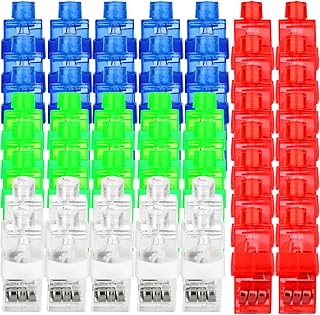 60Pcs LED Finger Lights Flashlights for Kids Glow Party Favors Birthday Christmas Halloween Supplies
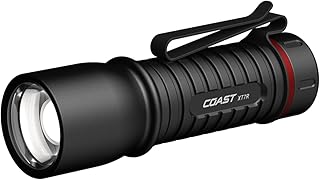 XT7R 1500 Lumen Rechargeable LED Flashlight with Magnetic Mount, Slide Focus, and Pocket Clip, Black
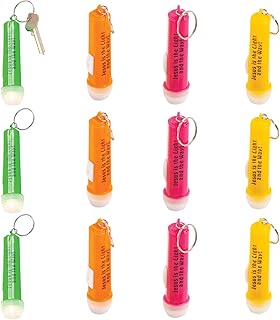 Express Jesus is The Light Flashlight Key Chains (Set of 12) Religious Party Supplies - VBS 2026 Vacation Bible School Supplies/Decor
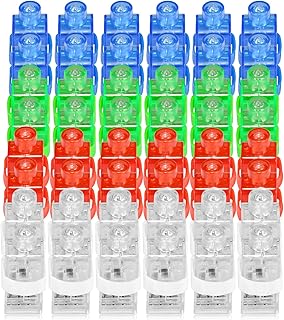 CADE ELECTRONIC Finger Lights- 50Pcs Finger Flashlights for Kids-Bachelorette Party Favors - Party Supplies for Parties Cheering Novelty Toys for Kids, Adult