Introduction: Why this flashlight buying guide matters for B2B buyers
Flashlight demand spans consumer retail, professional trades, industrial sites, emergency services and large-scale projects. For importers, wholesalers, distributors and contractors, choosing the right flashlight product lines requires technical knowledge, supply chain planning and clear quality standards. This guide helps procurement teams evaluate flashlights on performance, durability, compliance and total cost of ownership so you can select products and suppliers that minimize risk and maximize margin.
Understand common flashlight types and applications
Different sales channels and end-users need different designs. Identify the primary markets you serve first — consumer retail, industrial safety, tactical, inspection, medical, or utility work — then match product types accordingly.
- Handheld/Everyday Carry (EDC) flashlights: Compact, pocketable lights with moderate lumen output for consumer retail and gift lines.
- Tactical flashlights: High-output, durable lights with strike bezels, tail switches and multiple modes for security, law enforcement and professional use.
- Worksite and industrial flashlights: Flood or combo beam patterns, robust housings, and long runtimes for construction, maintenance and emergency crews.
- Inspection lights and penlights: Slim, focused beams for detailed work in manufacturing, automotive and HVAC sectors.
- Headlamps and hands-free lighting: For miners, rescue teams, and field technicians where mobility and safety are priorities.
- Rechargeable station lights: Rechargeable battery packs and docking stations for fleet or tool rental models.
Key performance specifications buyers must evaluate
Specification sheets can be misleading if not standardized. Insist on measurements performed to industry standards and request test reports.
- Lumens: Total light output. Higher lumens mean brighter light but also greater heat and power needs. Balance brightness with target use-case and battery life.
- Beam distance and pattern: Measured in meters or candela. Spot beams concentrate intensity for distance; flood beams cover wider areas. Many professional users prefer combo beams.
- Runtime: How long the light runs at a specified mode. Clarify whether runtime is measured at high mode or at a regulated output. Look for multi-mode runtime charts.
- Peak beam intensity (candela): Important for search and tactical applications. Candela and beam distance are linked by ANSI FL1 standards.
- Weight and ergonomics: For EDC and headlamp markets, weight affects acceptance; for jobsite tools, grip and balance matter.
- Color temperature and CRI: CCT (Kelvin) affects visibility and mood. High CRI (Color Rendering Index) is important for inspection and medical uses.
- Switch type and user interface: Tail vs side switches, momentary-on, lockout features and mode memory influence safety and operability.
Power systems: batteries and charging options
Battery chemistry and charging method are critical for logistics, safety and customer satisfaction.
- Primary (disposable) batteries: AA/AAA, CR123A used in entry and tactical lights. Good for low-maintenance lines but create aftermarket dependency for buyers.
- Rechargeable cells: 18650 and 21700 Li-ion batteries offer high energy density and are common in high-performance flashlights. Check cell manufacturer (Samsung, LG, Panasonic) and protection circuits.
- Integrated rechargeable batteries: USB-C, USB-A, or magnetic charging built into the flashlight for consumer convenience. Consider ingress protection and charging safety features.
- Battery management: Over-charge, over-discharge and short-circuit protection; charge cycle life; and safe shipping classifications (UN 38.3 for lithium batteries).
Materials, manufacturing and durability
Material choices affect weight, corrosion resistance, impact performance and perceived quality. Request detailed construction information and sample testing.
- Housing materials: Aluminum (6061 or 7075) is common for premium lines; stainless steel for bezels in high-impact models; polycarbonate and reinforced polymers for cost-sensitive or chemical-resistant needs.
- Surface finish: Hard-anodized coatings increase abrasion resistance; consider anti-slip knurling and wear testing for heavy-duty use.
- Thermal management: Proper heat sinking and driver regulation prevent LED overheating and maintain output stability.
- Impact and ingress protection: IP ratings (e.g., IP67, IPX8) indicate water/dust resistance. Impact resistance and drop ratings (e.g., meters) or MIL-STD-810G tests demonstrate durability in the field.
Compliance, standards and certifications
For global trade and institutional buyers, compliance paperwork is non-negotiable. Request certificates and test reports with every purchase order.
- ANSI/NEMA FL1: The FL1 standard provides consistent testing for lumens, runtime, peak beam intensity, and IP/X ratings — insist on FL1-compliant reports.
- Electrical and safety certifications: CE, RoHS, REACH for European markets; FCC for radio-related components; UL/ETL for North American electrical safety where applicable.
- Hazardous area approvals: ATEX or IECEx certification for intrinsically safe lights used in flammable atmospheres (oil & gas, chemical plants).
- Battery transport and safety: UN 38.3 testing documentation for lithium battery shipments.
Quality control and testing buyers should require
Factory-level QC, third-party inspections and defined acceptance criteria reduce defects and returns.
- Incoming material inspection: Verify LED binning, reflector finish, O-rings, and battery cells before assembly.
- Functional testing: Verify light modes, output, beam pattern, and runtime on production samples.
- Environmental testing: Salt spray, thermal cycling, humidity and IP tests as required by end-use environments.
- Ageing and burn-in: 4–24 hour burn-in to identify early-life LED and driver failures.
- Third-party inspection: Pre-shipment inspection (AQL), or sample testing by an accredited lab for certifications.
Packaging, labeling and aftermarket support
Packaging affects retail appeal, logistics costs and regulatory compliance. Ensure labels include necessary safety and import information.
- Packing options: Bulk packs for wholesale, retail-ready blister/card boxes, or OEM-branded boxes with manuals.
- Labeling requirements: Country-of-origin, battery disposal instructions, CE/UKCA marks, WEEE info where applicable.
- Warranty and spare parts: Define warranty terms, repair/replace policies, and availability of spare batteries, O-rings and chargers.
Customization and OEM/ODM considerations
Private label, custom color anodizing, laser engraving, and modified electronics can differentiate your offer. Understand lead times and tooling costs.
- Minimum order quantities (MOQ): Expect higher MOQs for custom colors and branding. Confirm tiered pricing based on volume.
- Turnaround times: Prototype and sample lead times vs mass production lead times. Allow time for certification updates if the design changes.
- Design-for-manufacturing: Work with suppliers to optimize designs to lower unit costs without compromising performance.
Pricing, total cost of ownership and margins
Unit price is only one factor. Include logistics cost, certification fees, warranty reserves and expected return rates in margin calculations.
- Calculate landed cost including FOB/CIF, import duties, taxes and in-country compliance costs.
- Estimate warranty claims and spare parts provisioning; a lower upfront price can cost more if failure rates are high.
- Negotiate price breaks, payment terms and exchange rate protections for multi-year supply agreements.
Logistics, lead times and risk mitigation
Plan inventory and logistics for seasonal demand and long lead-time components such as batteries and chips.
- Buffer stock: Maintain safety stock for fast-moving SKUs and critical components.
- Alternate suppliers: Qualify secondary suppliers for LEDs, batteries, or PCBAs to reduce single-source risk.
- Shipping compliance: Lithium battery regulations restrict transport methods; coordinate with freight forwarders and carriers experienced in these shipments.
Sample and pilot order process
Standardize a sample approval workflow to reduce development cycles and disputes.
- Order engineering prototypes, then pre-production samples for bench testing and field trials.
- Use FL1 testing and third-party labs in target markets for acceptance.
- Document acceptance criteria and include them in the purchase order and quality agreement.
Supplier evaluation checklist
Use this checklist when vetting manufacturers and partners:
- Does the supplier provide FL1-tested performance reports and certificate copies?
- Can they supply UN 38.3 battery test documentation and any hazardous-area approvals needed?
- Do they have in-house testing—IP, drop, thermal—or access to accredited labs?
- What is the supplier’s MOQ, lead time, and capacity for scale-up?
- Are warranty, spare parts and after-sales processes clearly defined?
- Can they support OEM/ODM branding and packaging requirements?
Why work with a manufacturing partner like JECTE
JECTE is a lighting manufacturer and industrial supply partner experienced in supplying B2B buyers worldwide. When choosing a partner, prioritize firms that offer transparent testing, flexible customization, and supply-chain reliability. A strong partner will provide sample programs, certification support, and production QA processes that align with your commercial and regulatory requirements.
Final recommendations and next steps
To minimize procurement risk and launch successful flashlight programs:
- Start with a clear specification sheet that includes FL1 targets, battery type, IP/impact ratings and required certifications.
- Request pre-production samples and independent test reports before committing to mass orders.
- Negotiate MOQ, pricing tiers, lead times and warranty terms up front, and include acceptance criteria in contracts.
- Plan logistics early for lithium battery shipments and verify import compliance in target markets.
- Choose a manufacturing partner with proven QC processes and responsiveness to customization requirements.
Procurement teams that follow these steps reduce returns, speed time-to-market and protect margins. For tailored product options, prototype support and certified testing services, contact JECTE to discuss flashlight ranges, OEM capabilities and global supply solutions.
Related Products
Explore related products from JECTE for your next sourcing project.
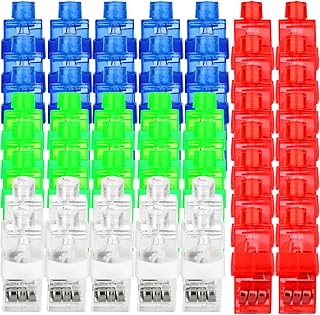 60Pcs LED Finger Lights Flashlights for Kids Glow Party Favors Birthday Christmas Halloween Supplies
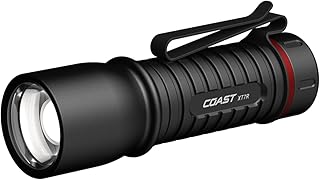 XT7R 1500 Lumen Rechargeable LED Flashlight with Magnetic Mount, Slide Focus, and Pocket Clip, Black
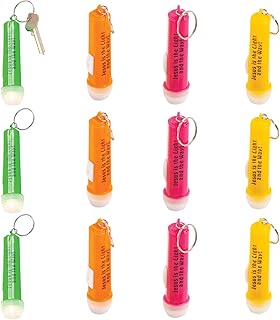 Express Jesus is The Light Flashlight Key Chains (Set of 12) Religious Party Supplies - VBS 2026 Vacation Bible School Supplies/Decor
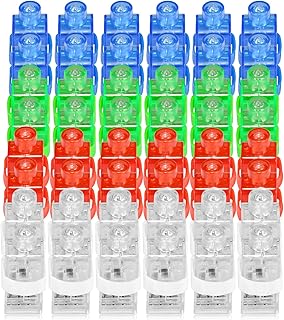 CADE ELECTRONIC Finger Lights- 50Pcs Finger Flashlights for Kids-Bachelorette Party Favors - Party Supplies for Parties Cheering Novelty Toys for Kids, Adult