Introduction: Why a focused flashlight buying strategy matters
Flashlights remain a core category for lighting importers, wholesalers, distributors, and contractors across safety, industrial, retail, and outdoor markets. Quality, regulatory compliance, battery logistics and differentiated features (rechargeability, beam type, durability) determine product acceptance, returns and margins. This guide helps procurement teams evaluate flashlight offers, write clear specifications, manage samples and scale reliably with a manufacturing partner like JECTE.
Key decisions before you source
- Target application: EDC, tactical, industrial/ATEX, search and rescue, inspection or consumer outdoor?
- Distribution channel: mass retail, specialist stores, online marketplaces, or project procurement?
- Positioning and margin expectations: premium branded, private-label, or economy volume SKUs?
- Regulatory requirements and regional certifications for intended markets.
Types of flashlights and common use cases
- Everyday Carry (EDC) — compact, pocketable, USB-rechargeable, 100–1,000 lumens for consumers and retailers.
- Tactical — high output, momentary switches, weapon mount options, 500–2,000+ lumens for law enforcement or military supply chains.
- Industrial/Work — durable housings, anti-slip grips, high IP and impact ratings, long runtimes and multiple modes.
- Search & Rescue / Searchlights — long beam distance, high candela output, often heavy and intended for specialist distributors.
- Headlamps & Inspection Lights — hands-free solutions for contractors, electricians and maintenance teams.
Performance metrics buyers should specify
Use objective, testable metrics when comparing suppliers. Ask for FL1-standard test reports where applicable.
- Lumen output — total light output. Specify steady-state lumens, not peak bursts.
- Beam distance and candela — peak beam intensity (candela) and effective beam throw at target distances.
- Runtime — hours at each mode (high/low) until a defined drop in output (FL1 defines runtime to 10%/30% depending on method).
- Output consistency and regulation — thermal regulation or step-down behavior under continuous high-power use.
- Charging time and cycle life — for rechargeable models, list charge method and expected cycles.
Power sources and battery considerations
Battery choice affects shipping classification, lifetime cost and customer appeal.
- Alkaline (AA/AAA) — easy to source and ship, familiar to retail buyers; suitable for economy models.
- Disposable lithium (CR123A) — higher energy density; commonly used in tactical lights.
- Rechargeable Li-ion (18650, 21700) — high performance and reusability; popular for premium and tactical flashlights. Beware of transport and packaging rules for lithium batteries.
- Integrated rechargeable (USB-C or magnetic) — convenient for consumers; specify port type, ingress protection and charge indicators.
Durability & environmental protection
- Ingress protection (IP) — IPX4 for splash resistance; IPX7 for temporary immersion (1m/30min); IP68 for continuous immersion. For dust-sensitive environments, specify a dust digit (e.g., IP67, IP68).
- Impact resistance — expressed in meters or IK ratings for specific impact energy. Typical tactical/work lights specify drop tests from 1–2 meters or higher.
- Material and finish — anodized aluminum (6061-T6) is common for premium models; ABS or polycarbonate for lower-cost options.
- Corrosion resistance — important for marine or coastal projects; request salt spray test results if needed.
Safety, standards and market compliance
Global buyers must validate certifications and ensure compliance before bulk purchase.
- Electrical safety — CE marking for EU market (where applicable), and product-specific safety evaluations for other regions. UL recognition may be required for some North American channels.
- Environmental — RoHS and REACH obligations in Europe for hazardous substances.
- Battery transport regulations — UN38.3 testing for lithium battery air transport. Shippers often require specific packaging and labeling.
- EMC — if the product includes radios or wireless features, test reports may be necessary.
Features and user experience
- Switch types — tailcap, side, or magnetic switches; momentary vs. click-on. Consider accidental-activation prevention for carry models.
- Light modes — high/medium/low, strobe and SOS. Rate and program modes for operator preferences.
- Beam pattern — flood for close work, spot for distance. Adjustable zoom heads or hybrid optics increase versatility.
- Heat management — fin design, thermal pads, and step-down algorithms to maintain LED life under prolonged high output.
Customization & private-label options
Private label and OEM arrangements are common in B2B flashlight procurement. Negotiate scope early to avoid rework.
- Branding: laser engraving, pad printing or colored anodizing.
- Packaging: retail hang cards, blister packs, retail boxes with multilingual manuals and UPC/GS1 barcodes.
- Accessory bundles: holsters, diffusers, lanyards, spare O-rings, or battery extenders.
- Firmware and modes: custom mode sets or lockouts for professional customers.
Quality control and testing to request
Prioritize measurable quality checks and third-party testing where relevant.
- Sample verification: lumens, candela, runtime tests done per FL1 or equivalent lab data.
- Incoming inspection checklist: visual defects, switch operation, thread fit, battery compartment sealing and packaging integrity.
- Batch testing: random sampling for runtime, drop tests, IP verification and charging cycles.
- Factory audit: production process flows, spectral control, aging tests, and traceability for key components (LED, driver, battery).
Pricing, MOQ and lead times
Get clarity on cost elements beyond unit price.
- MOQ: negotiate by SKU and by customization level. Off-the-shelf models often have lower MOQs than customized variants.
- Breakdown: factory cost, components (LED, driver, battery), testing, packaging, and shipping DDP or FOB terms.
- Lead time: prototype/sample stage (2–6 weeks typical), mass production (4–12 weeks depending on complexity and seasonality).
- Inventory and replenishment: plan buffer stock for battery-constrained SKUs and seasonal peaks.
Logistics and battery shipping considerations
- Battery rules: most lithium battery shipments require careful classification (e.g., UN3480 for lithium-ion cells). Air transport restrictions can add cost or require alternate routing.
- Packaging: specify inner and outer pack counts, cushioning, and hazard labeling. Include certificate copies for customs clearance.
- Incoterms and freight: clarify responsibilities for export documentation, customs clearance and taxes (FOB, CIF, DDP options).
Warranty, repairs and spare parts
- Offer clear warranty periods and terms for professional channels. Typical warranties range from 1–5 years for defects in materials and workmanship.
- Spare parts availability: replacement O-rings, lenses, switches and drivers reduce after-sales churn.
- RMA processes: define return authorization, testing criteria and turnaround SLA for repairs or replacements.
Sample order and qualification checklist
Before committing to mass production, validate with a structured sample evaluation:
- Receive production-intent samples (not prototype) with final components and firmware.
- Run comparative tests: lumen output, beam profile, runtime, IP/dust/immersion tests, drop tests and charging cycle tests.
- Assess packaging, labeling, instructions, and SKU barcodes. Verify multilingual content for target markets.
- Confirm factory test reports and certifications (UN38.3, RoHS, CE, UL etc.) and cross-check lab accreditation.
Questions to ask a flashlight manufacturer
- What are your lead times for samples and full production? What are minimum order quantities per SKU?
- Can you provide FL1 or equivalent test reports and UN38.3 battery transport certificates?
- Which components do you source (LED brand, driver, battery cell), and can we lock specific suppliers?
- What customization options exist (branding, firmware, packaging) and associated costs?
- How do you handle quality control, and can you accommodate third-party inspections?
- What warranty and RMA processes do you offer for distributors and project customers?
Negotiation tips for B2B buyers
- Bundle discounts: negotiate price breaks by aggregate annual volume across similar SKUs.
- Shared testing costs: propose co-funded third-party testing for new designs.
- Payment terms: seek progressive terms tied to milestones (deposit, pre-shipment, B/L release) and consider letters of credit for high-value shipments.
- Lock component pricing or lead times for critical parts like batteries or chips to avoid inflation and supply shortages.
Why partner with a manufacturer like JECTE
TECTE (JECTE) combines manufacturing capability with industrial supply experience for global buyers. A committed partner can offer:
- Assistance defining specs and sample iterations to meet market needs.
- Supported testing, documentation and certification guidance for global markets.
- OEM/private-label production, accessory bundling and packaging solutions to streamline retail readiness.
- Supply chain management including battery handling expertise, logistics coordination and long-term planning.
Final checklist before placing an order
- Clear target application and end-market requirements documented.
- Technical spec sheet with lumens, runtime, IP/IK rating, battery type and charging specs.
- Sample validation and agreed acceptance criteria.
- Confirmed certifications and transport documents for batteries.
- Warranty, spare parts availability and RMA terms defined.
- Agreed MOQ, unit price, lead time and payment/shipping terms.
Conclusion
Buying flashlights for distribution or projects is about balancing performance metrics, regulatory compliance and supply-chain practicality. Define measurable specifications, validate samples with objective tests and partner with suppliers who can support certification, customization and reliable logistics. With clear requirements and the right manufacturing partner, buyers can reduce risk, speed time to market and secure the margins needed for successful resale or project delivery.
Related Products
Explore related products from JECTE for your next sourcing project.
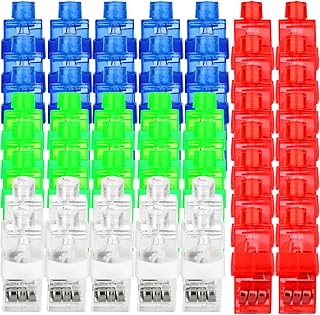 60Pcs LED Finger Lights Flashlights for Kids Glow Party Favors Birthday Christmas Halloween Supplies
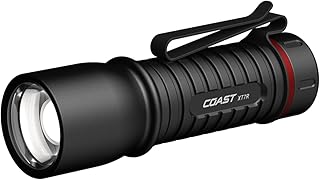 XT7R 1500 Lumen Rechargeable LED Flashlight with Magnetic Mount, Slide Focus, and Pocket Clip, Black
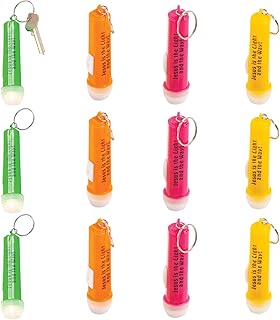 Express Jesus is The Light Flashlight Key Chains (Set of 12) Religious Party Supplies - VBS 2026 Vacation Bible School Supplies/Decor
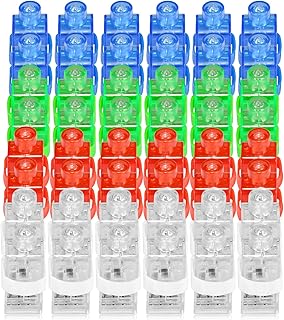 CADE ELECTRONIC Finger Lights- 50Pcs Finger Flashlights for Kids-Bachelorette Party Favors - Party Supplies for Parties Cheering Novelty Toys for Kids, Adult