Why this flashlight buying guide matters for B2B buyers
Importers, wholesalers, distributors and project contractors buy flashlights at scale with different priorities than retail consumers. You need reliable performance, consistent manufacturing, traceable compliance and predictable lead times—not just a low price. This guide focuses on the technical specifications, procurement terms, quality checkpoints and supply-chain considerations that matter when sourcing flashlights from manufacturers such as JECTE, a lighting manufacturer and industrial supply partner for global buyers.
Key flashlight categories to match to buyer applications
Select the flashlight category that fits your customer base or project use-case. Different categories have different design constraints, testing requirements and pricing bands.
- Handheld general-purpose flashlights — everyday use, retail and bulk distribution.
- Tactical flashlights — law enforcement, security and military use; emphasis on impact resistance, strobe modes and strong beams.
- Inspection and industrial flashlights — focused beams, adjustable focus, ANSI-compliant lumen reporting for maintenance and manufacturing environments.
- Headlamps and wearable lamps — hands-free tasks for contractors, miners, and outdoor professionals.
- Keychain and pocket lights — compact and low-cost SKUs for impulse sales.
- Specialty and explosion-proof lights — for hazardous locations, require rigorous certification.
Core technical specifications to evaluate
When comparing suppliers, request standardized technical data and test reports. Focus on these specs:
- Lumen output: Real-world brightness. Ask for ANSI/PLATO FL1 test reports where possible.
- Beam pattern: Flood vs. spot vs. adjustable. Provide beam distance and candela measures.
- Runtime: Specify measurement conditions (brightness level used, battery type).
- Battery type and compatibility: AA/AAA, CR123, 18650/21700 lithium-ion, or built-in rechargeable with USB-C. Each affects cost, weight and logistics.
- Rechargeability: USB-C vs. micro-USB vs. proprietary chargers; include charge times and cycle life.
- Durability: Impact rating (meter drop), materials (aluminum 6061-T6, ABS, reinforced polymers).
- Ingress protection: IP ratings (IPX4, IPX7, IP67) define water and dust resistance standards.
- Operating temperature: For cold-climate or high-heat environments.
- Weight and dimensions: Important for packaging, shipping and inventory units per pallet.
- Certifications: CE, RoHS, REACH, FCC, UL; explosion-proof models require ATEX/IECEx.
Battery selection, performance and logistics
Battery chemistry is central to flashlight performance and procurement complexity:
- Disposable cells (AA/AAA/CR123): Lower unit cost and simple replacements. CR123 often used in tactical lights for higher voltage but complicates logistics due to shipping rules for lithium primary cells.
- Rechargeable Li-ion (18650/21700): High capacity and better runtime per unit weight. Requires safe charging circuits and compliance documents. Cells often shipped separately from assembled products to meet transport regulations.
- Built-in rechargeable: USB-C rechargeability reduces downstream battery procurement but implies longer product lifetimes and additional QC for charging circuitry.
Ask suppliers about battery sourcing, charge protection, transport classification (UN numbers) and whether they provide cell test reports (capacity vs. discharge curves).
Materials, finishes and mechanical quality
Material choices affect robustness and price. Typical options include:
- Anodized aluminum (T6061-T6): Common for higher-end flashlights; offers good heat dissipation and impact resistance.
- Die-cast zinc or stainless components: For buttons, bezels and clips.
- Engineering plastics (PA, PC, glass-filled nylon): Lightweight, corrosion-resistant and cost-effective for mass-market SKUs.
Check machining tolerances, O-ring seals, switch longevity and corrosion-resistant coatings for maritime or outdoor products.
Regulatory compliance and safety testing
Global buyers must ensure product compliance to avoid customs holds, recalls or sales restrictions. Key certifications and tests to request:
- CE marking and Declaration of Conformity (EMC, LVD where applicable).
- RoHS and REACH declarations for restricted substances.
- FCC/IC for integrated wireless components or chargers.
- UN38.3 and IEC 62133 for lithium battery transportation and safety.
- ATEX/IECEx for intrinsically safe/explosion-proof lights.
- ANSI/PLATO FL1 reported photometric data for flashlight performance claims.
Work with manufacturers who maintain updated test reports from accredited labs and are willing to include compliant documentation with shipments.
Quality control, sample policy and testing checklist
Robust QC protects your brand and reduces returns. Require the following QC processes:
- Incoming inspection of components (LED bins, drivers, batteries).
- In-process checks for assembly torque, O-ring placement and switch alignment.
- Final functional tests: brightness, runtime, charging function, water ingress and drop tests.
- Batch traceability and retention samples for at least 6–12 months.
Request production samples and a pre-production (PP) sample for approval. Consider third-party inspection at first orders and regular intervals (AQL sampling plans) thereafter.
Packaging, labeling and retail readiness
Packaging directly affects freight costs, shelf presence and compliance. Options to negotiate:
- Bulk packaging for wholesalers vs. retail-ready blister or window boxes.
- Custom printed cartons, inserts, user manuals in multiple languages.
- Serialized labeling and barcodes (EAN/UPC) if selling through retail channels.
- Minimum inner carton quantities and palletization patterns to optimize shipping rates.
MOQ, pricing and cost drivers
Understand the main cost drivers to negotiate effectively:
- Components: LEDs, optics, battery cells and driver ICs can significantly affect BOM costs.
- Materials and machining complexity: machined aluminum vs. injection-molded plastic.
- Testing and certification expenses amortized across initial production runs.
- Packaging and labeling customizations.
- Logistics and freight terms (FOB, CIF, DDP) and associated insurance costs.
Manufacturers like JECTE typically offer tiered pricing: lower unit costs at higher volumes. Negotiate MOQ based on SKU complexity—custom designs often require higher MOQs due to tooling.
OEM/ODM options and private-label considerations
Deciding between OEM (customized product built from an established design) and ODM (seller’s existing models rebranded) affects lead time and cost:
- ODM: Faster, lower initial cost. Ideal for standard models needing minor branding changes.
- OEM / Custom design: Full control over specs, but higher NRE (tooling, engineering) and longer development cycles.
For private-label flashlights, clarify intellectual property rights, artwork file formats, and any exclusivity on features or regional territories.
Supply-chain and logistics best practices
Manage risk and maintain continuity with these practices:
- Split shipments for high-volume orders to accelerate market entry.
- Maintain safety stock for fast-moving SKUs; define reorder points together with your supplier.
- Clarify Incoterms early (FOB, EXW, DDP) and validate shipping documentation requirements for batteries.
- Plan for customs classification and any import duties on electronic goods and batteries in target markets.
Warranty, returns and after-sales support
Clear warranty terms reduce disputes and protect reputation. Ensure suppliers offer:
- Defined warranty period and coverage (defects in materials and workmanship).
- RMA process, lead times for repairs or replacements and repair vs. replacement policies.
- Availability of spare parts (drivers, lenses, O-rings, switches) for repairs.
Questions to ask a flashlight manufacturer before you place an order
Use this checklist for supplier evaluation:
- Can you provide ANSI/PLATO FL1 test reports and battery cell certificates?
- What are your standard MOQs for ODM and OEM projects? What influences tooling costs?
- Do you maintain CE/RoHS/REACH documentation and can you provide lab reports on request?
- What QC procedures and AQL standards do you follow? Can you allow third-party inspections?
- How are batteries shipped and what UN numbers apply? Can you ship cells separately if required?
- What is the typical lead time from order confirmation to shipment for the requested quantity?
- Is private labeling available and what are artwork requirements and lead times?
- What warranties and after-sales support do you offer for B2B partners?
Selecting a partner: why work with an experienced manufacturer
Partnering with a manufacturer that understands B2B dynamics reduces risk and speeds market entry. Look for suppliers that demonstrate:
- Proven export experience and documentation readiness for customs and certifications.
- Flexible production planning to accommodate seasonal demand and promotional spikes.
- Engineering capability to adapt LED, driver and thermal management for your application.
- Transparent QC data and willingness to support audits or third-party inspections.
JECTE combines manufacturing capability with industrial supply expertise to support global buyers seeking dependable flashlight supply. We provide sample evaluation, OEM/ODM services, and documented QC to meet regulatory and commercial needs.
Next steps: rapid sourcing checklist
- Define target applications and prioritize categories (tactical, inspection, general-use).
- Prepare a detailed specification sheet including lumens, runtime, battery type and IP rating.
- Request PP samples, test reports and a quotation including MOQ, FOB price and lead time.
- Assess packaging, labeling and certification needs for your target markets.
- Plan an initial third-party inspection or factory audit for the first production run.
Final considerations
Sourcing flashlights in volume requires balancing performance, regulatory compliance, cost and logistical complexity. Prioritize suppliers that provide transparent documentation, consistent quality and clear communication. If you need a manufacturing partner experienced with international buyers, JECTE can support spec development, testing and ongoing supply. Contact your chosen manufacturer early in the procurement cycle to align on specifications, certifications and logistics to avoid delays and unexpected costs.
For a tailored sourcing plan and sample request, prepare your application requirements and minimum order expectations, then engage suppliers with the checklist above to compare offers objectively.
Related Products
Explore related products from JECTE for your next sourcing project.
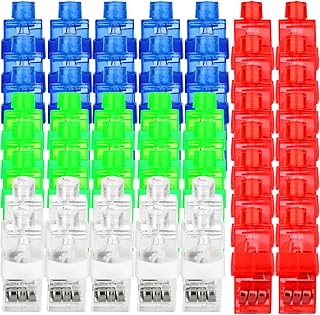 60Pcs LED Finger Lights Flashlights for Kids Glow Party Favors Birthday Christmas Halloween Supplies
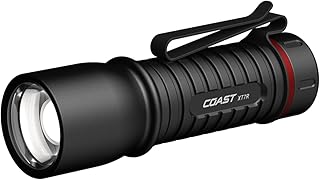 XT7R 1500 Lumen Rechargeable LED Flashlight with Magnetic Mount, Slide Focus, and Pocket Clip, Black
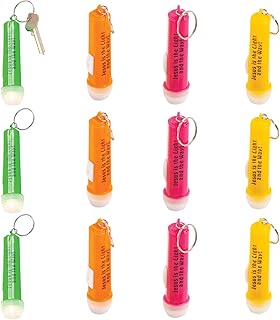 Express Jesus is The Light Flashlight Key Chains (Set of 12) Religious Party Supplies - VBS 2026 Vacation Bible School Supplies/Decor
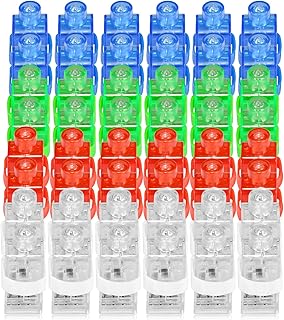 CADE ELECTRONIC Finger Lights- 50Pcs Finger Flashlights for Kids-Bachelorette Party Favors - Party Supplies for Parties Cheering Novelty Toys for Kids, Adult