Overview: what B2B buyers need to know about flashlights
Flashlights remain essential products across consumer retail, industrial projects, safety contracts and tactical supply chains. For global importers, wholesalers, distributors and project contractors the purchase decision goes beyond lumens and price. You must evaluate performance, battery system, robustness, regulatory compliance, packaging and after‑sales support to secure profitable, low‑risk inventory that meets end‑user requirements.
Market segments and use cases
Define the target segment before specifying product features. Typical B2B segments include:
- Retail/Promotional: cost-competitive, branded or private-label units.
- Industrial/Construction: rugged, long runtime, standardized battery systems.
- Emergency/Utility: waterproof, impact-resistant, multiple modes, replaceable batteries.
- Tactical/Security: high-output LED, robust materials, tail switch or tactical grip.
- Municipal/Infrastructure Projects: compliance with local safety codes, bulk supply agreements.
- Hazardous environments: intrinsically safe models with ATEX/IECEx certification.
Core technical specifications to require
Ask suppliers to provide standardized test results and datasheets. Key parameters:
- Light output in lumens (and ANSI/NEMA FL1 test standard if available).
- Runtime to a specified lumen level (ANSI FL1 runtime).
- Beam distance (measured in meters under FL1).
- Candela (peak beam intensity) and beam profile.
- Ingress protection rating (IP code) — IPX4, IPX7, IP68 depending on use.
- Impact resistance (drop height in meters or IK rating if provided).
- Operating temperature range and thermal management design.
- Dimensions, weight and ergonomics for carry options (clip, holster, magnet).
Battery and power systems
Battery choice affects cost, logistics and end‑user satisfaction. Common options:
- Alkaline (AA/AAA): lowest cost, wide availability, suitable for retail and low-power models.
- NiMH rechargeable (AA/AAA): lower life-cycle cost, accepted by eco-conscious buyers.
- Li‑ion removable (18650, 21700): high energy density, favored in tactical and high-output models.
- Integrated Li‑ion with built-in USB-C charging: convenience-focused, reduces replacement risk.
- Disposable lithium (CR123A): compact and high-energy for tactical/photographic use.
For international shipments, lithium battery classification (UN38.3) and packaging rules apply. Ask for battery test documents, MSDS, and shipping classification early in negotiations.
LEDs, drivers and beam characteristics
LED brand and electronic driver quality determine efficiency, color temperature and flicker. Typical considerations:
- LED manufacturers: Cree, Lumileds, Osram (name-brand LEDs often justify premium pricing).
- Color temperature (2700K–6500K) and CRI (color rendering index) for tasks requiring color accuracy.
- Drivers: regulated constant-current drivers extend LED life and provide stable output; avoid models that overheat or show PWM flicker unless intentional for strobe.
- Modes: multiple output levels, strobe, SOS — confirm mode memory behavior and mode spacing for user expectation.
Mechanical construction and materials
Material choice affects durability, weight and cost:
- Aluminum alloys (6061-T6, 6063) for durable, heat-dissipating bodies.
- Plastic (ABS, polycarbonate) for low-cost, lightweight models.
- Coatings: Type III hard-anodizing for abrasion resistance.
- Lens materials: toughened glass or polycarbonate with anti-scratch coatings.
- Seals: silicone O-rings and thread sealing for water resistance.
Switch, accessories and ergonomics
Evaluate user interface options and included accessories based on end-use:
- Switch types: tailcap clicky, side switch (electronic), magnetic switches for quick attachment.
- Carry options: belt holster, pocket clip, lanyard, helmet mount for industrial users.
- Accessories: diffusers, filters, charging cables, spare O-rings, spare batteries.
Standards and certifications buyers must request
Regulatory compliance is non‑negotiable for cross-border B2B supply:
- Electrical and EMC: CE (EU), FCC (US) for USB-charging electronics as applicable.
- Environmental: RoHS, REACH compliance declarations.
- Battery transport: UN38.3 test reports for lithium cells and batteries.
- Ingress and mechanical: IP rating test reports; third-party impact/drop tests if possible.
- Safety for hazardous locations: ATEX/IECEx or local equivalents for intrinsically safe models.
- Optional performance standard: ANSI/NEMA FL1 test results for lumens, runtime, beam distance, water resistance and impact.
Quality control and testing protocols
To minimize defects and returns establish clear QC requirements with suppliers. Recommended checkpoints:
- Incoming material inspection for LEDs, drivers, batteries, magnets and plastics.
- During production: functional tests (output, modes), burn-in (4–24 hours), water and impact spot testing.
- Pre-shipment: 100% visual inspection plus random functional tests. Agree on an AQL sampling plan for large lots.
- Electrical safety and battery load tests: capacity verification and short-circuit protection checks.
- Packaging integrity tests: drop and compression testing for bulk pallets and retail cartons.
Packaging, labeling and documentation
Proper packaging reduces damage and simplifies customs clearance:
- Options: bulk white box, retail blister/card, individual retail box with UPC/GTIN.
- Include multilingual user manuals, safety warnings for batteries, disposal instructions and warranty cards.
- Labeling: country of origin, supplier batch/lot codes, battery type, and any required compliance markings.
- Cartonization: units per inner carton, inner cartons per master carton and pallet configuration for freight planning.
Pricing drivers and MOQ
Understand cost levers so you can negotiate effectively:
- LED and battery type — premium cells and brand LEDs raise cost significantly.
- Materials and coatings — aircraft-grade aluminum, Type III anodizing increases unit cost.
- Certifications and tests — third-party testing and UN38.3 compliance add fees.
- Customization: custom tooling, colors, laser engraving and private label packaging have higher setup costs.
- MOQ: typical factory MOQs vary by model and customization. Stock models may be available with low MOQs (hundreds), while private-label OEM runs commonly require thousands to amortize tooling and setup.
Logistics, lead times and shipping considerations
Plan around battery shipping rules and factory lead times:
- Lead times: stock models 2–6 weeks; OEM/ODM versions 8–16 weeks depending on tooling and certification needs.
- Battery shipping: regulated as dangerous goods when cells are installed; follow IATA/IMDG rules for air and ocean freight.
- Incoterms: clarify whether prices are EXW, FOB, CIF, or DDP to avoid surprises in landed costs.
- Warehousing: arrange for climate-controlled storage if carrying large quantities of lithium batteries.
Warranty, after-sales support and spare parts
After-sales arrangements determine lifetime value and reduce returns:
- Warranty period and scope (typical 1–5 years depending on target market and quality).
- Spare parts availability (batteries, switches, O-rings, charging cables) and lead times.
- RMA process and repair capabilities — negotiate reasonable replacement clauses and support for defective batches.
- Training materials for distributors and retail pushers to lower misuse-related returns.
Private label and customization options
Private labeling is a key value-add for distributors and wholesalers:
- Branding: laser engraving, pad printing or full-color sleeve packaging.
- Color and finish: anodized colors, textured grips or soft-touch coatings.
- Feature customization: specific beam profiles, battery choices, or accessory kits for project packs.
- Documentation: custom manuals and compliance statements in purchaser languages.
Procurement checklist for flashlight orders
- Define end-use and target segment (retail, industrial, tactical, hazardous area).
- Specify required performance (lumens, runtime, beam distance) and test standard (ANSI FL1 preferred).
- Choose battery system and confirm UN38.3 documentation if lithium cells involved.
- Set minimum acceptable IP and impact ratings.
- Request samples for functional testing and burn-in validation.
- Agree QC plan, AQL levels and pre-shipment inspection requirements.
- Clarify packaging, labeling and cartonization, and request barcodes/GTIN if needed.
- Confirm lead times, MOQ, payment terms and Incoterms before signing PO.
- Verify warranty, spare-part availability and RMA procedures.
Sample specification template (quick start)
Use or adapt this template when requesting quotes:
- Model name / SKU:
- Target lumen output and ANSI FL1 report required:
- Beam distance and candela:
- Battery type (e.g., 1×18650 Li‑ion, integrated 2500mAh Li‑ion with USB‑C):
- IP rating (minimum):
- Impact/drop rating:
- Materials and finish:
- Required certifications: RoHS, CE, UN38.3, ATEX (if applicable):
- Packaging type and units per carton:
- MOQ, target price and desired lead time:
How JECTE supports global B2B buyers
As an industrial lighting manufacturer and supply partner, JECTE can support buyers with configurable stock models, OEM/ODM private label programs, and pre-shipment quality control. We provide sample testing, documentation for regulatory compliance, palletized packaging options and coordinated logistics for battery shipments. For project contractors we offer tailored kits, bulk pricing and spare-part agreements to simplify long-term maintenance.
Final recommendations
For profitable, low-risk flashlight procurement focus on verified performance data (ANSI FL1 where possible), clear battery documentation (UN38.3), and a documented QC plan. Balance upfront costs against total cost of ownership — higher-quality LEDs, drivers and batteries reduce returns and warranty claims. When ordering OEM or private-label runs, plan for certification timelines and MOQ implications early in negotiations.
Next steps
If you are preparing a tender, RFP or MOQ-based inquiry, gather your target specifications using the sample template above and request production samples with test reports. Contact JECTE to discuss model recommendations, factory capabilities, sample policies and lead times to align supply with your distribution or project schedule.
Contact
For tailored quotes and specification support, connect with JECTE’s sales and technical team to ensure product, compliance and logistics meet your market needs.
Related Products
Explore related products from JECTE for your next sourcing project.
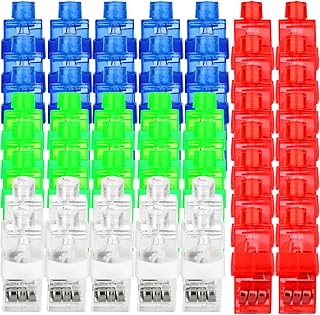 60Pcs LED Finger Lights Flashlights for Kids Glow Party Favors Birthday Christmas Halloween Supplies
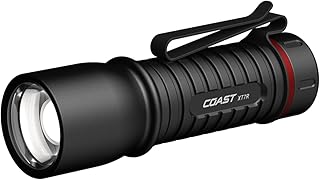 XT7R 1500 Lumen Rechargeable LED Flashlight with Magnetic Mount, Slide Focus, and Pocket Clip, Black
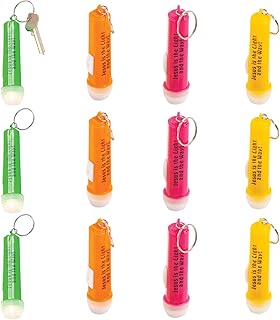 Express Jesus is The Light Flashlight Key Chains (Set of 12) Religious Party Supplies - VBS 2026 Vacation Bible School Supplies/Decor
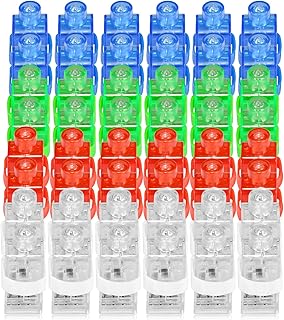 CADE ELECTRONIC Finger Lights- 50Pcs Finger Flashlights for Kids-Bachelorette Party Favors - Party Supplies for Parties Cheering Novelty Toys for Kids, Adult