Introduction: Why this flashlight buying guide matters for B2B buyers
Global buyers—importers, wholesalers, distributors and project contractors—need more than product catalogs when sourcing flashlights. You need operational clarity: which technical specifications affect performance, which certifications are mandatory for target markets, how manufacturing and quality control influence reliability, and what commercial terms protect margin and delivery. This guide, from JECTE — a lighting manufacturer and industrial supply partner — lays out practical, purchaser-focused guidance for selecting flashlight ranges that meet market needs and procurement realities.
Key flashlight product types and commercial uses
Understanding product categories helps you match inventory to customer demand and project specifications. Common B2B flashlight types include:
- Handheld tactical flashlights: high lumen output, rugged, used by security, law enforcement, and industrial users.
- Everyday carry (EDC) flashlights: compact, pocketable, often USB-rechargeable and consumer-focused.
- Worksite and inspection lights: wide-beam, durable, often with hands-free options like hooks or magnets.
- Headlamps and helmet-mounted lights: for construction, mining and technical trades requiring hands-free illumination.
- Search and rescue lights: maximum beam distance, high output, and specialized features like strobes and SOS modes.
- Intrinsically safe flashlights: certified for hazardous environments (ATEX, IECEx) used in oil & gas, chemical plants, and mining.
Technical specifications buyers must prioritize
Technical specs are the objective measures that define performance and quality. Neglecting them causes warranty claims, returns and poor brand reputation.
Lumen output vs. effective performance
Lumens measure total light emitted. For buyers, balance lumen claims with beam distance, beam pattern, and thermal management. High lumen numbers can be misleading if runtime and heat dissipation are inadequate.
Beam distance and pattern
Beam distance (meters) is critical for security, search and rescue, and outdoor applications. Beam pattern—spot, flood, or a combo—determines suitability for close-range tasks versus long-range illumination.
Runtime and battery options
Runtime at specified modes (high/medium/low) and battery type (disposable alkaline, NiMH, lithium-ion) influence operating cost and customer satisfaction. Rechargeable Li-ion with USB-C charging is now standard in many premium lines; disposable battery compatibility can be a selling point in markets with limited charging infrastructure.
Durability: IP, impact rating, and materials
Ingress Protection (IP) ratings indicate water and dust resistance (e.g., IP68). Impact resistance (measured in meters or MIL-STD-810G tests) and housing materials (aircraft-grade aluminum, polycarbonate) determine suitability for industrial use.
LED type, color temperature and CRI
LED manufacturers (Cree, Osram, Nichia) differ in performance and binning. Color temperature (2700K–6500K) and Color Rendering Index (CRI) matter for inspection, medical or color-sensitive tasks; higher CRI improves color fidelity.
User interface and modes
Mode memory, lockout features, tactical tailswitches and adjustable focus impact usability. Simpler interfaces often work better for mass-market sales; more advanced UI options help premium or tactical segments.
Regulatory and safety certifications by market
Compliance reduces customs risk and opens distribution channels. Prioritize certifications relevant to your target markets and end uses.
- CE marking (EU): mandatory for general product compliance; include EMC and RoHS where applicable.
- UKCA: required for the UK market post-Brexit.
- UL/ETL: North American electrical safety approvals for products containing electronics or charging circuits.
- FCC: for products with wireless or RF components.
- ROHS and REACH: restrict hazardous substances for EU and other regulated markets.
- ATEX / IECEx: required for intrinsically safe flashlights used in explosive atmospheres.
- Battery transport compliance: UN38.3 testing and proper documentation for Li-ion batteries.
Supply chain and manufacturing considerations
For importers and distributors, manufacturer selection and supply-chain visibility drive profitability and reliability.
MOQ, tooling and product development
Minimum order quantities (MOQs) vary by model and level of customization. JECTE supports tiered MOQs and assists with product development, including OEM/ODM tooling, private labeling and packaging design. Plan lead times and amortize tooling costs across expected volumes to maintain margin.
Quality control and testing
Demand documented quality systems: ISO 9001, AQL sampling plans, batch testing for lumen output, runtime, thermal performance, IP testing and drop tests. For battery-equipped flashlights, insist on overcharge, short-circuit and cell balancing tests.
Sourcing components and traceability
Confirm LED, driver, battery and switch suppliers. Component traceability reduces counterfeiting risk and supports warranty claims. Ask your manufacturer for supplier lists and change-notification policies.
Packing, labeling and E-commerce readiness
Specify retail-ready packaging, multilingual manuals, barcodes (EAN/UPC), and logistics-friendly master cartons. For online sales, include product images and spec sheets optimized for marketplaces.
Commercial terms and logistics
Negotiate terms that align with your cash flow and risk tolerance.
- Pricing structure: FOB vs. EXW vs. CIF. FOB allows better control of freight but requires logistics capacity.
- Lead times: confirm production and shipping lead times and include contingency buffers for peak seasons.
- Payment terms: net terms, LC, or deposits—establish credit with trustworthy manufacturers to improve cash flow.
- Warranty and after-sales support: define warranty duration, RMA process, and spare parts availability.
- Insurance and Incoterms: ensure cargo insurance and clarify responsibilities for loss/damage.
Customization and private-label strategies
Customization can differentiate your portfolio but increases complexity. Consider tiered approaches:
- Low-touch customizations: logo printing, box design, manuals and accessory bundles.
- Mid-level changes: color variants, battery configuration, or minor UI adjustments.
- Full ODM/OEM: unique housings, optics, driver firmware and bespoke packaging—requires longer lead times and higher MOQ.
JECTE can support each level, from logo application to full ODM engineering, with design-for-manufacture (DFM) guidance to reduce costs and accelerate time-to-market.
Testing, inspection and sample policy
Samples are essential for technical approval. Typical steps include:
- Pre-production sample (PPS): to verify design, fit, materials and function before mass production.
- Production sample: verified against PPS to confirm consistency.
- Third-party inspection: factory audits and random inspections (IQC, IPQC, FQC) or on-shore lab testing for certification and compliance.
Request performance data (integrating sphere lumen reports, photometric curves) with samples to validate claims.
Procurement checklist: what to request from suppliers
- Full technical datasheet with lumen, beam distance, runtime at modes, and battery spec.
- Sample units (charged and uncharged) with user manual and packaging mockup.
- Certification documents: CE, UL, ROHS, UN38.3, ATEX/IECEx where applicable.
- Component supplier list and BOM for traceability.
- Warranty policy, RMA process and spare parts lead times.
- MOQ, unit price breaks and estimated lead times per order quantity.
- Quality control documentation: ISO certificates, AQL plan and testing reports.
- Packing specification: master carton dimensions, units per carton, palletization details.
- Incoterms, payment terms and sample cost policy.
Price vs. value: evaluating total cost of ownership
Purchase price is only part of the equation. Consider:
- Warranty and failure rate: higher initial price may save replacement and returns costs.
- Battery replacement and operating costs: rechargeable models reduce long-term expense for high-usage markets.
- After-sales support and spare parts: local availability shortens downtime and improves customer satisfaction.
- Regulatory compliance: non-compliant products can be blocked at customs and damage reputation.
Commercial and marketing tips for distributors and wholesalers
- Segment SKUs by use-case (tactical, EDC, worksite) and price point to simplify buying decisions for resellers and contractors.
- Provide technical sell sheets and training to channel partners highlighting specs that matter to end-users (runtime, IP rating, beam distance).
- Bundle accessories (holsters, charging cables, spare o-rings) to increase average order value.
- Leverage warranty and service as a differentiator in bids and tenders for projects.
Why partner with a manufacturer like JECTE
JECTE combines production capability with B2B supply experience. Working with a manufacturer offers advantages:
- Direct control over customization, quality control and lead times.
- Access to engineering support for ODM projects and DFM guidance to reduce unit costs.
- Streamlined communication for certifications, component sourcing and testing documentation.
- After-sales support and spare parts planning aligned to distributor needs.
Decision framework: quickly score flashlight options
Create a simple matrix to evaluate candidate models across priority criteria. Assign weights and score each model to compare objectively. Suggested criteria and weights (adjust to your market):
- Performance (lumen/beam/range) — 25%
- Durability (IP + impact rating) — 20%
- Battery & runtime — 15%
- Certifications & compliance — 15%
- Unit cost & total cost of ownership — 15%
- Supplier terms (MOQ, lead time, support) — 10%
Closing: next steps for procurement teams
Start by defining target segments (industrial, tactical, consumer) and required certifications for your markets. Request samples and full technical documentation from shortlisted manufacturers, and run a small pilot order to validate claims and logistics. JECTE can support buyers at every stage—spec selection, prototype review, testing, certification coordination and scalable production—to reduce risk and accelerate time-to-market.
For a tailored procurement conversation, provide your target market, estimated annual volumes, desired product types and any specific certification or customization needs. JECTE's B2B team will propose options optimized for performance, compliance and commercial terms.
Related Products
Explore related products from JECTE for your next sourcing project.
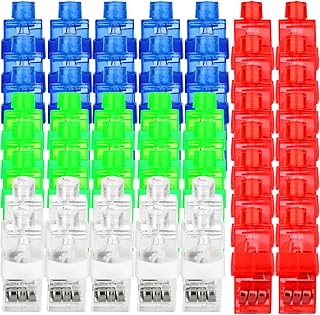 60Pcs LED Finger Lights Flashlights for Kids Glow Party Favors Birthday Christmas Halloween Supplies
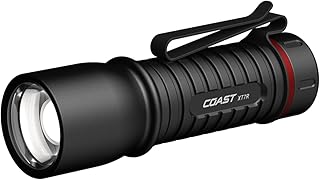 XT7R 1500 Lumen Rechargeable LED Flashlight with Magnetic Mount, Slide Focus, and Pocket Clip, Black
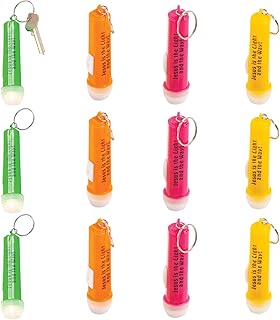 Express Jesus is The Light Flashlight Key Chains (Set of 12) Religious Party Supplies - VBS 2026 Vacation Bible School Supplies/Decor
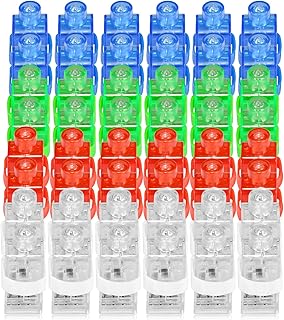 CADE ELECTRONIC Finger Lights- 50Pcs Finger Flashlights for Kids-Bachelorette Party Favors - Party Supplies for Parties Cheering Novelty Toys for Kids, Adult