Overview: purpose of this buying guide
Flashlights remain a core product for many lighting distributors, importers, and project contractors. Whether for retail, industrial maintenance, emergency services, or hazardous-area projects, choosing the right flashlight requires balancing optical performance, battery systems, durability, safety certification, supply chain controls and commercial terms. This guide gives procurement teams a practical checklist and specification language to evaluate manufacturers and products efficiently.
Key performance metrics: use ANSI/PLATO FL-1 as the baseline
The ANSI/PLATO FL-1 standard provides consistent metrics you should request on every flashlight spec sheet. Insist suppliers provide FL-1 test reports for the exact model and configuration you are buying.
- Lumens — total light output. Use for comparing brightness across models, but note runtime trade-offs.
- Peak beam intensity (candela) — how concentrated the beam is; used to calculate beam distance.
- Beam distance — distance at which the beam produces 0.25 lux (usable for search and rescue or site lighting metrics).
- Runtime — how long the flashlight operates at a specified output until it reaches a stated lumen level.
- Water resistance (IPX) — measured by FL-1; IPX7/IPX8 common for heavy-duty models.
- Impact resistance (meter) — drop height tested under FL-1 conditions.
Flashlight types and common buyer use cases
Match flashlight type to end-use to avoid over- or under-specifying:
- Everyday carry (EDC) — compact, pocketable units for retail or promotional channels.
- Tactical — weapon-compatible, momentary-on switches, strobe modes for law enforcement and security contractors.
- Worksite/Industrial — high lumen flood options, strong impact and ingress protection for maintenance crews and construction.
- Inspection and penlights — focused or slim beams for electricians, HVAC, and manufacturing inspectors.
- Headlamps — hands-free lighting for electricians, miners, and emergency teams; consider strap materials and comfort.
- Area lights and lanterns — for temporary site illumination, camps, and emergency response.
- Hazardous-area/explosion-proof lights — ATEX or IECEx-certified devices for oil & gas, chemical plants, and mining.
Optics, LEDs and color characteristics
LED and optical choices affect perceived brightness, color, and task performance:
- LED types — Leading LED manufacturers include Cree, Nichia and Lumileds. Different emitters offer different efficacy and color rendering.
- Beam pattern — reflector design (smooth vs. textured) determines throw vs. flood. TIR optics provide tight, uniform beams.
- Color temperature (K) — 2700K–3500K warmer, better for close tasks; 4000K–6500K cooler appears brighter and is common in tactical/industrial models.
- CRI — Color Rendering Index matters for inspection or maintenance tasks that require color distinction; aim for CRI 70+ or higher when needed.
Power sources, battery systems and charging
Battery selection drives runtime, logistics, and compliance needs:
- Primary cells — alkaline or lithium disposable cells are common in entry-level and EDC units. Simpler logistics but recurring cost to users.
- Rechargeable — NiMH (AA/AAA), Li-ion (18650, 21700) offer higher energy density. Rechargeable systems reduce total cost of ownership for heavy users.
- Battery management — look for protected cells, quality battery holders, and regulated drivers to prevent over-discharge and ensure consistent output.
- Charging options — onboard USB-C fast charging is increasingly standard. Consider inclusion of charging cables, external chargers, and indicators.
- Transport and regulations — Li-ion batteries require compliance with UN 38.3 for transport; airfreight will have additional IATA rules and may increase cost.
Durability, materials and thermal management
Industrial and tactical applications demand robust materials and thermal design:
- Housing materials — 6061/7075 aluminum alloys with Type III hard-anodize are standard for high durability and corrosion resistance. Polymer bodies are lighter and cost-effective for EDC models.
- Lens materials — tempered glass or coated glass is scratch-resistant; PMMA lenses are lighter but more scratch-prone.
- Seals and ingress protection — O-rings, sealed switch designs and IP ratings (IP65/IP66/IP67/IP68) protect against dust and water.
- Impact resistance — specify drop-test height (e.g. 1m–2m typical; >2m for heavy-duty units). Consider IK ratings for additional clarity.
- Thermal management — heat sinks, thermal pads and well-designed emitters maintain output and prevent thermal roll-off in high-lumen models.
Safety, certifications and hazardous-area standards
For industrial and project buyers, certifications are often contract requirements:
- Electrical and environmental — CE, RoHS commonly required for EU-market distribution.
- Safety and listing — UL or ETL for products sold in North America when applicable.
- Hazardous-area — ATEX and IECEx certification for intrinsically safe or explosion-proof flashlights used in explosive atmospheres. Request certificate copies and valid IECEx/ATEX markings.
- Battery transport — UN 38.3 test reports for Li-ion cells and compliance with IATA/ICAO for air shipments.
- Military and industrial standards — MIL-STD-810 (environmental testing), MIL-SPEC connectors or mounting features may be required by some buyers.
Sourcing & manufacturing considerations for bulk buyers
When evaluating manufacturers, focus on capacity, process controls and supply-chain flexibility:
- MOQ and lead times — verify minimum order quantities, tooling lead times for custom parts, and typical shipping timelines.
- OEM/ODM capabilities — review engineering resources for custom branding, firmware/drivers, and mechanical tooling for housings or clips.
- Component traceability — LEDs, drivers, and cells should be traceable. Prefer suppliers who can provide BOM-level traceability and approved vendor lists.
- Quality systems — ISO 9001, in-line testing, and documented QC procedures reduce downstream risk.
- After-sales support — spare parts availability (o-rings, lenses, circuits), warranty policy, and repair options impact total cost of ownership and customer satisfaction.
Packaging, labeling and commercial details
Think through retail and wholesale presentation, as well as logistics:
- Retail packaging options — clamshells, boxes with multilingual manuals, or bulk packaging for distributors.
- Private labeling — print run minimums, artwork approvals, and serialization needs for warranty registration.
- Master cartons and palletization — ensure efficient packing for sea/air freight with clear carton markings, barcodes, and handling instructions.
- Warranty terms — standard 1–3 year warranties are typical; longer warranties can be a differentiator in premium or project channels.
Testing and quality checks buyers must require
Specify factory and pre-shipment tests to minimize failures in the field:
- FL-1 performance testing — lumens, runtime, beam distance and candela for the production sample and a percentage of lots.
- Battery safety testing — overcharge, short-circuit, thermal abuse tests on sample batteries.
- Ingress and impact testing — IP and drop tests representative of real-world conditions.
- Ageing and thermal cycling — accelerated life tests on LEDs and drivers to reveal early failures.
- Visual and functional inspections — AQL sampling, plus 100% power-on test for critical batches.
Procurement checklist: specs to include in RFQs
Use this checklist when requesting quotes or samples from manufacturers:
- Target application and buyer market (retail, industrial, hazardous area).
- Form factor and weight limits.
- FL-1 metrics required: lumens, candela, beam distance, runtime at defined output.
- Battery type, capacity, and charging method. Require UN 38.3 documentation for Li-ion.
- Materials, finish (Type III hard-anodize), lens material.
- Ingress/impact rating requirements (e.g., IP67, 2m drop).
- Required certifications (CE, RoHS, ATEX/IECEx, UL).
- MOQ, lead time, packaging and labeling needs, sample policy and NRE for tooling.
- Warranty terms, spare parts availability and after-sales service SLA.
Commercial considerations: pricing, margins and SKUs
Understand the cost drivers and how to structure SKUs for distribution:
- Cost drivers — LEDs, battery chemistry, driver complexity, and housing material are primary determinants of BOM cost.
- SKU rationalization — avoid too many near-duplicate SKUs. Offer clear tiering (basic, pro, hazardous-rated) to simplify inventory.
- Margins — factor in warranty reserves, spare part commitments, and transport costs for batteries when pricing to resellers.
- Promotions and bundling — chargers, spare batteries, mounts and holsters increase attach rates and distributor margins.
How JECTE supports global buyers
As a manufacturer and industrial supply partner, JECTE provides turnkey flashlight solutions tailored for distributors, wholesalers and contractors. Key services include:
- Custom OEM/ODM development — mechanical engineering, LED optics tuning and firmware adjustment to meet market needs.
- Regulatory assistance — support for CE, RoHS, UN 38.3, ATEX/IECEx certification processes and documentation.
- Quality assurance — in-factory FL-1 testing, AQL inspection, and pre-shipment sample testing to buyer specifications.
- Flexible supply options — scalable MOQs, consolidated packing, and logistics solutions for sea/air freight with compliant battery handling.
- After-sales and spare parts — dedicated support for warranty, spare batteries, and repair parts to support distributors and contractors.
Final recommendations and next steps
For successful flashlight procurement: define the end-use first, require FL-1 test data, insist on battery transport compliance, and prioritize suppliers with robust QC and certification support. Start with a small batch and a clear acceptance test plan, validate field performance, then scale orders and negotiate improved lead times and pricing. JECTE can partner with your team to create tailored product lines and ensure a compliant, quality supply chain that meets global market needs.
Sample RFQ summary to send suppliers
- Product name and target market.
- Required FL-1 numbers and test reports.
- Battery type, UN 38.3 report and charging options.
- Materials, IP/impact ratings, and required certifications.
- MOQ, sample policy, lead time, pricing tiers and warranty terms.
Contact JECTE to request product catalogs, technical datasheets, sample testing plans, and pricing based on your target volumes and markets. A disciplined specification and testing approach protects your brand and ensures reliable lighting solutions for your customers.
Related Products
Explore related products from JECTE for your next sourcing project.
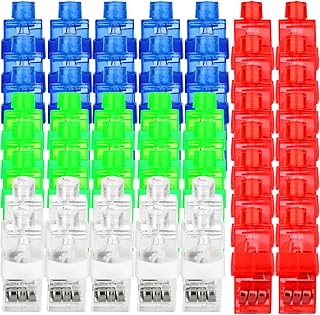 60Pcs LED Finger Lights Flashlights for Kids Glow Party Favors Birthday Christmas Halloween Supplies
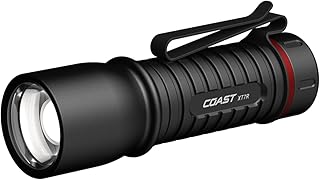 XT7R 1500 Lumen Rechargeable LED Flashlight with Magnetic Mount, Slide Focus, and Pocket Clip, Black
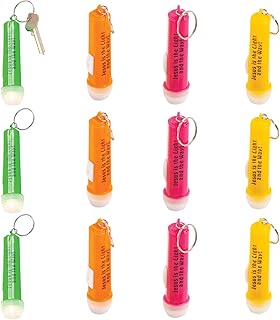 Express Jesus is The Light Flashlight Key Chains (Set of 12) Religious Party Supplies - VBS 2026 Vacation Bible School Supplies/Decor
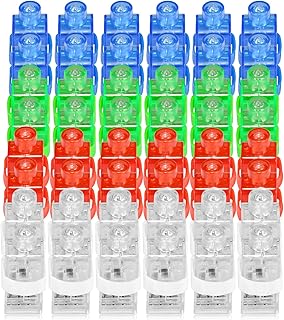 CADE ELECTRONIC Finger Lights- 50Pcs Finger Flashlights for Kids-Bachelorette Party Favors - Party Supplies for Parties Cheering Novelty Toys for Kids, Adult