Why this guide matters for B2B buyers
Flashlight purchasing decisions for importers, wholesalers, distributors and project contractors go beyond lumen counts and price. The right flashlight specification affects customer returns, warranty costs, shipping complexity and compliance risk. This guide focuses on the commercial criteria and supplier practices that matter when sourcing flashlight product lines or specifications at scale.
Key flashlight categories and typical B2B buyers
Understanding the main product categories helps match inventory to customer channels and applications.
- Tactical flashlights – High-intensity, durable models for security, law enforcement, and industrial use. Buyers: military suppliers, security wholesalers, tactical retailers.
- Worksite/utility flashlights – Rugged, often rechargeable lights with multiple modes for contractors and maintenance teams. Buyers: industrial suppliers, tool distributors, project contractors.
- Everyday carry (EDC) flashlights – Compact, pocketable lights for retail and gift channels. Buyers: consumer wholesalers, e-commerce distributors.
- Inspection and specialty lights – Narrow-beam, high-CRI lights for automotive, HVAC, and inspection tasks. Buyers: equipment distributors, OEM partners, service contractors.
- Hazardous-area flashlights – Certified for explosive atmospheres (ATEX/IECEx). Buyers: oil & gas, mining, petrochemical contractors and distributors.
Core technical specifications to evaluate
Use objective, standardized metrics to compare models and communicate requirements to suppliers.
Performance (ANSI/NEMA FL1 standard)
- Lumens – Total emitted light. Specify both maximum and measured output under FL1 test conditions.
- Runtime – Time until output drops to a defined level (usually 10% of initial). Confirm FL1 runtime tests.
- Beam distance and intensity – Beam throw and candela; important for tactical and search applications.
- Peak beam intensity – Useful for comparing throw between models with similar lumen ratings.
Optics and LED
- LED type – High-power LEDs (Cree, Nichia, Samsung, etc.) or cost-optimized chips. Specify bin, CCT (2700–6500K), and CRI if color rendering is relevant.
- Optical system – Reflector size, TIR lens, or hybrid designs determine flood vs throw characteristics.
- Thermal management – Integrated heat sinks and construction materials that prevent thermal roll-off during sustained use.
Power source
- Battery chemistries – Alkaline (disposable), NiMH, Li-ion (18650, 21700), CR123A, or LiFePO4. Each has trade-offs in energy density, shipping restrictions, and cycle life.
- Removable vs integrated – Removable batteries ease replacement and air shipping, while integrated packs simplify ergonomics and waterproofing.
- Charging options – USB-C fast charge, micro-USB, magnetic chargers, and wireless charging. Check charge management ICs for cell protection and balanced charging.
Mechanical durability and ingress protection
- Materials – Aircraft-grade aluminum (e.g., 6061/6082) with Type III hard-anodize for wear resistance; polycarbonate or glass lens options.
- Impact resistance – Drop test specification (e.g., 1–2 meters) and construction details like reinforced bezels.
- Ingress protection (IP) – IPX4, IPX7, IP68 ratings for dust and water resistance. Confirm tests are to IEC 60529.
- Environmental standards – Temperature range, salt spray, and vibration resistance (IEC 60068 series) for demanding applications.
Switching and user interface
- Switch types – Tailcap, side switch, or magnetic. Consider tactile feedback, ease of use with gloves, and mode memory.
- Mode sets – Simple low/medium/high vs advanced signaling and strobe features. For safety-sensitive buyers, ensure strobe can be locked out to prevent accidental activation.
Certifications, compliance and transport considerations
Non-compliance can block shipments, increase costs, or create liability. Prioritize suppliers who provide documented evidence.
- Safety and CE/UL markings – Electrical safety standards applicable in target markets and components (chargers, power supplies).
- EMC – For lights with charging electronics or communications, ensure electromagnetic compatibility testing where applicable.
- Battery transport – Lithium batteries are regulated for air freight. Familiarize with IATA DGR and IMDG rules. UN38.3 testing is required for lithium cell/pack shipment.
- Hazardous-area approvals – ATEX, IECEx or North American Class/Division as required for explosive environments.
- Environmental and substance compliance – RoHS and REACH declarations for components to serve EU customers.
Quality assurance and testing to require from suppliers
Request test documentation and factory inspection options. Typical tests include:
- FL1 performance testing (lumens, runtime, beam distance)
- IP rating/pressure & immersion tests to IEC 60529
- Drop and impact testing to specified heights
- Thermal and burn-in (aging) tests to verify LED driver stability and battery performance
- UN38.3 battery test reports for shipments
- Salt spray and corrosion resistance for maritime/industrial lines
Ordering, customization and OEM/ODM considerations
Many B2B buyers require private-label or customized products. Discuss these items early in negotiations.
Minimum order quantities (MOQs) and lead times
- MOQs vary by tooling needs, component shortages, and customization complexity. Standard stock models often have lower MOQs than bespoke designs.
- Lead times should include component procurement (LED chips, batteries), PCB assembly, and testing. Ask suppliers to provide a complete lead-time breakdown.
Branding, packaging and documentation
- Private labeling and laser engraving options for bodies and bezels.
- Custom packaging for retail, bulk shipping cartons for distributors, and multilingual user manuals for global markets.
- Accessory options: holsters, lanyards, diffusers, mounts and spare batteries in SKU bundles.
Design control and approvals
- Approve prototypes and first articles before full production. Consider pre-production samples for destructive testing.
- Sign off on firmware/driver behavior for mode sets and thermal throttling to avoid unexpected field returns.
Logistics and packaging for global distribution
Plan shipments to avoid regulatory problems and reduce landed cost.
- Battery handling – Shipping with batteries installed, separately packaged or with terminals insulated affects shipping class and cost. Air transport of lithium batteries often requires special packaging, labeling and documentation.
- Cartonization – Optimize inner packs, master cartons and palletization to minimize damage. Include barcodes and retail-ready display options when required.
- Documentation – Commercial invoices, packing lists, test certificates (UN38.3, IP, FL1), and MSDS for batteries should be prepared for customs and client audits.
After-sales support, spare parts and warranty
After-sales capabilities directly affect distributor confidence and customer satisfaction.
- Define warranty terms (period, repair vs replacement, RMA procedure).
- Availability of spare parts (batteries, chargers, o-rings, lenses) and repair guides reduces lifecycle cost for project customers.
- Service-level agreements for warranty response times and turnaround support for high-volume buyers.
Commercial considerations and negotiating with suppliers
Price is one input among many. Use total cost of ownership to compare quotes.
- Ask for a detailed BOM-driven price breakdown to understand major cost drivers (LEDs, cells, driver ICs, enclosure machining, anodizing, testing).
- Negotiate tiers for volume discounts, packaging splits, or exclusivity in a territory if needed.
- Clarify incoterms (FOB, CIF, DDP) early to compare landed cost quotes.
- Request samples for independent lab testing before committing to production volumes.
Procurement checklist: what to request from a flashlight supplier
- Complete specification sheet with FL1-tested lumen, runtime, beam distance and candela.
- Component lists: LED manufacturer and bin, battery type and vendor, driver IC part number.
- Test reports: FL1, IP (IEC 60529), UN38.3 for batteries, drop/impact, and any zone hazardous approvals.
- Samples and pre-production prototypes for approval.
- MOQ, tooling costs, lead times for sample and production runs.
- Warranty policy, RMA process and spare-parts availability.
- Packaging options, minimum retail-ready pack quantity and customization capabilities.
- Shipping options and battery shipping strategy with documentation for customs.
Risk management and lifecycle planning
Plan for component obsolescence, regulatory changes and product updates.
- Secure supply agreements for critical components (LED chips, battery cells) if you plan multi-year SKUs.
- Include clauses for change notifications and last-time buy windows in supplier contracts.
- Monitor regulatory updates on battery transport and environmental legislation affecting electronic products.
How JECTE partners with global buyers
As a lighting manufacturer and industrial supply partner, JECTE supports buyers with specification development, prototype approval, factory testing and logistics planning. For flashlight programs we offer:
- Custom OEM/ODM development with prototype approval and engineering change control.
- FL1 and environmental test reporting, UN38.3 battery compliance support, and ATEX/IECEx options for hazardous-area models.
- Flexible MOQs, scalable production and consolidated shipping to simplify global distribution.
- Spare parts inventory, warranty handling and RMA support for distributor networks and contractors.
Next steps: request template for sourcing a flashlight line
When contacting suppliers, include the following in your RFQ to speed accurate quotes:
- Target application and customer channel (retail, industrial, tactical, hazardous areas).
- Key performance targets: lumen output, beam distance, runtime, battery type.
- Durability targets: IP rating, drop height, operating temperature range.
- Required certifications and test reports (e.g., UN38.3, ATEX, FL1).
- Desired customization: branding, packaging, accessories, languages for manuals.
- Forecast volumes, target price, and preferred incoterms.
Conclusion
Sourcing flashlights for international distribution or project deployment requires careful alignment of performance, compliance and supply-chain details. By prioritizing standardized testing (FL1), battery and transport compliance (UN38.3, IATA/IMDG), clear QA expectations, and realistic lead-time planning, buyers can reduce risk and improve margins. JECTE can assist with product specification, testing and logistics to help you bring reliable flashlight product lines to your customers.
Contact JECTE to discuss specifications, request samples, or start an OEM/ODM flashlight program tailored to your markets.
Related Products
Explore related products from JECTE for your next sourcing project.
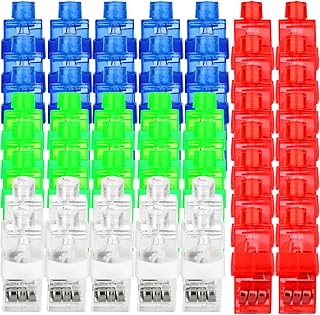 60Pcs LED Finger Lights Flashlights for Kids Glow Party Favors Birthday Christmas Halloween Supplies
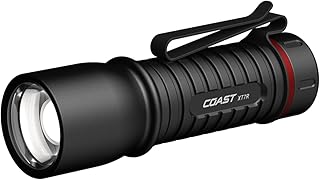 XT7R 1500 Lumen Rechargeable LED Flashlight with Magnetic Mount, Slide Focus, and Pocket Clip, Black
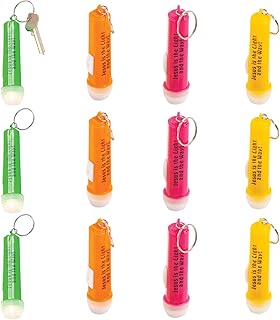 Express Jesus is The Light Flashlight Key Chains (Set of 12) Religious Party Supplies - VBS 2026 Vacation Bible School Supplies/Decor
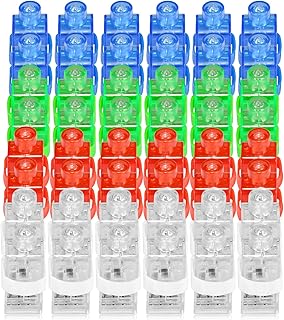 CADE ELECTRONIC Finger Lights- 50Pcs Finger Flashlights for Kids-Bachelorette Party Favors - Party Supplies for Parties Cheering Novelty Toys for Kids, Adult