Introduction: Why a focused flashlight strategy matters for B2B buyers
Flashlights remain a core item in professional toolkits across sectors—industrial maintenance, utilities, law enforcement, search & rescue, mining, marine and retail. For importers, wholesalers, distributors and project contractors, selecting the right flashlight lines requires combining technical specifications, regulatory compliance, quality testing and supply-chain planning. This guide distills the practical criteria buyers need to evaluate products and suppliers and offers specification templates for common professional use cases.
Key technical specifications to evaluate
Lumen output and beam characteristics
Lumens measure total visible light output. For B2B selection, match lumen ranges to use case rather than maximizing numbers:
- Everyday carry (EDC) / retail: 50–1,000 lumens
- Tactical / law enforcement: 200–3,000 lumens with focused throw
- Industrial inspection: 300–2,000 lumens with balanced flood/spot beams
- Search & rescue / scene lighting: 2,000–20,000+ lumens (consider cooling and battery capacity)
Beam types: flood for area illumination, spot for long-distance throw, and combination optics (adjustable head or dual reflectors) for versatile tasks. Provide candela/throw distance specs in meters for clarity.
Runtime, battery chemistry and capacity
Runtime depends on power draw and battery capacity. Common battery types:
- Alkaline (AA/AAA): low cost, predictable disposal/logistics but limited runtime.
- NiMH rechargeable: safer for shipping than some lithium options, moderate energy density.
- Li-ion (protected 18650, 21700, 26650 cells): highest energy density and common in professional lights.
- LiFePO4 and sealed packs: increased thermal stability for some industrial models.
Specify required runtime at a defined output (for example: 2 hours @ 500 lm) rather than manufacturer claims at lowest modes. For rechargeable models, request cycle life and end-of-life capacity percentage (e.g., 80% after 500 cycles).
LED type, color temperature and CRI
High-quality LEDs from reputable vendors (Cree, Nichia, Osram, Lumileds) provide consistent performance. Color temperature affects task visibility:
- Cool white (5000–6500K): higher perceived brightness, common in tactical/search lights.
- Neutral white (4000–5000K): balance of clarity and color rendering; often preferred for inspection.
- Warm white (<4000K): more comfortable for long-term close work.
Color Rendering Index (CRI) matters for inspection and electrical work—specify CRI >70 for general use and >80 for color-critical tasks.
Ingress protection (IP) and impact resistance (IK)
Water and dust protection are critical. Common ratings:
- IPX4: splash resistant (suitable for light outdoor use)
- IPX7: temporary immersion
- IP68: continuous immersion with dust tightness (preferred in marine and heavy industry)
Impact resistance is measured by IK ratings (e.g., IK07–IK10). Also consider drop tests in meters (e.g., drop-tested to 2m–5m) for rugged applications.
Thermal management and driver electronics
High-output LEDs require effective heat dissipation to avoid lumen roll-off and premature failure. Look for:
- Aluminum housings with thermal paths from LED module to body
- Active thermal throttling or step-down drivers for extended runtime safety
- Efficient constant-current drivers with regulated output and low ripple
Confirm dimming implementation (analog PWM vs. true current regulation). PWM at visible frequencies can cause flicker—avoid low-frequency PWM for user-facing models.
Switches, modes and user interface
Professional users need dependable, repeatable interfaces. Consider:
- Momentary-on tactical tailswitches for law enforcement
- Easy-to-access memory modes for worklights
- Lock-out functions for transport safety
Charging options and connectivity
USB-C charging (with overcharge and temperature protection), magnetic chargers and removable battery trays are growing expectations. If offering integrated batteries with chargers, ensure the charger meets relevant safety standards and provides input voltage tolerances for global use.
Certifications and regulatory requirements
Verify certifications early in supplier selection. Key items include:
- UN 38.3 and relevant IATA/ICAO rules for lithium battery transport — essential for international shipment.
- CE and RoHS for EU market access; EMC compliance (EMC Directive) if the product includes electronics susceptible to interference.
- FCC part 15 for models with wireless features or digital circuitry in the U.S.
- UL, IEC or equivalent safety certifications for battery packs and AC chargers where required by import markets.
- ATEX / IECEx certifications for intrinsically safe flashlights in hazardous atmospheres (mining, oil & gas).
- MIL-STD-810G for buyers targeting defense or high-reliability contracts.
Ask suppliers for copy scans of certificates and test reports that match the specific model and production batch rather than generic company certificates.
Use-case based specification recommendations
Industrial maintenance / utilities
- Lumens: 500–2,000
- Beam: adjustable flood/spot
- Batteries: rechargeable 18650/21700 packs
- IP Rating: IP67/IP68
- Durability: anodized aluminum, drop-tested 2–3m
- Certs: CE/RoHS, UN 38.3 for batteries
Mining and hazardous environments
- Lumens: 200–1,500 (depending on task)
- Safety: ATEX/IECEx intrinsic safety
- Batteries: sealed chemistries approved for hazardous locations
- Features: anti-slip grip, secure mounts, long runtime
Law enforcement & tactical
- Lumens: 500–3,000+ with high throw
- Beam: focused hotspot with usable spill
- Switching: instant-access tailswitch, strobe optional
- Finish: black Type III hard-anodized or Cerakote for durability
Search & rescue and scene lighting
- Lumens: 2,000–20,000+
- Power: multi-cell Li-ion packs, external battery options
- Cooling: active or well-designed passive heat sinks
- Mounting: tripod compatibility or shoulder straps
Quality control, testing and acceptance criteria
Request documented test procedures and results. Key QC tests:
- Lumen output test using an integrating sphere or ANSI/FL1 standardized method
- Runtime test at defined output steps to determine usable light time
- Thermal tests for LED junction temps and housing temperatures under continuous operation
- Drop and vibration testing to simulate field use
- Ingress testing for IP ratings (water immersion and dust tests)
- Battery tests: cycle life, protection circuit verification, overcharge/overdischarge and short-circuit tests
Set clear sample acceptance criteria before placing production orders—e.g., ±10% lumen tolerance, minimum runtime thresholds, and zero failures in a defined sample drop test profile.
Sourcing, packaging and logistics considerations
Supplier selection affects pricing, lead time and market risk. Key negotiation points:
- MOQ: industrial buyers can often negotiate MOQs. Typical ranges vary from 100–1,000 units depending on complexity and customization.
- Lead times: Factor in battery sourcing, certification renewals and seasonal demand; typical 8–16 weeks for custom models.
- Packaging: stock retail packaging vs. bulk carton packaging for professional channels; include multilingual manuals and regulatory labeling.
- Private label & OEM/ODM: confirm tooling fees, artwork approvals, and packaging proofs early.
- Transport: lithium batteries may require special documentation, limited quantity handling, or pallet-level segregation; confirm Incoterms and freight options.
- Warranty & after-sales: define warranty length, return process, RMA terms, repair vs replace policies.
Cost drivers and pricing strategy
Primary cost drivers:
- Batteries and cells (quality cells increase costs but reduce returns)
- LED binning and optics
- Certifications and testing fees
- Housing materials and surface treatments
- Tooling for custom designs
For distributors and wholesalers, offer tiered pricing for retail-ready units and bulk contracts. Include minimum advertised price (MAP) policies or exclusive SKUs for key customers if needed.
Sample specifications template (for RFQ)
- Model name / SKU
- Intended use case (e.g., industrial inspection, tactical)
- Lumen output (ANSI LM-79/FL1 measured) and modes
- Beam profile: candela and throw distance
- Runtime: specify mode and termination criteria
- Battery type and capacity, charger type and input voltage
- LED vendor or binning and color temp/CRI
- IP / IK rating and drop test height
- Required certifications (UN38.3, CE, RoHS, ATEX/IECEx, etc.)
- Sample quantity required and acceptable testing procedures
- Warranty period and RMA conditions
- Packing configuration, labeling and barcode needs
Final checklist for buyers
- Confirm application-specific spec (lumens, beam, runtime) and accept measurement standards (ANSI/FL1).
- Obtain and review actual test reports—lumen, runtime, thermal and ingress tests—for the production model.
- Verify battery safety testing and transport documentation (UN38.3) for international shipments.
- Ask for production samples and conduct independent verification tests where possible.
- Clarify MOQ, lead time, tooling fees, warranty and after-sales support.
- Plan packaging and regulatory labeling for target markets in advance.
Why partner with an experienced manufacturer and what to ask
Working with an experienced lighting manufacturer reduces time-to-market and mitigates compliance risks. Ask suppliers about:
- In-house testing capabilities (integrating sphere, environmental chambers)
- Battery sourcing and traceability for cells
- Track record for certifications (copies of reports, lab partners)
- Turnkey options: private label, customized packaging and aftermarket support
- Quality management systems (ISO 9001) and sample inspection data
Next steps for importers, wholesalers and contractors
Start by mapping your target end-users and prioritizing three or four core flashlight SKUs that meet those use cases (e.g., an EDC, a tactical model, and an industrial inspection light). Use the RFQ template above to collect consistent proposals, insist on ANSI/FL1 or lab-equivalent data, and request production samples for independent testing. Negotiate MOQ, lead times and warranty terms up front to secure favorable commercial terms.
JECTE is a lighting manufacturer and industrial supply partner that supports global buyers with OEM/ODM capabilities, certification management and production testing tailored for professional markets. Contact your manufacturer partner to discuss sample testing programs, private label options and a phased procurement plan that reduces risk while enabling rapid market entry.
Related Products
Explore related products from JECTE for your next sourcing project.
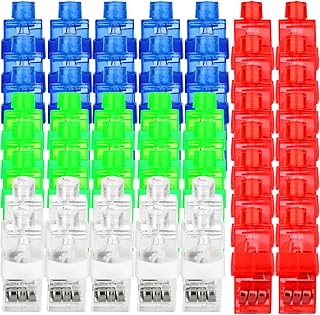 60Pcs LED Finger Lights Flashlights for Kids Glow Party Favors Birthday Christmas Halloween Supplies
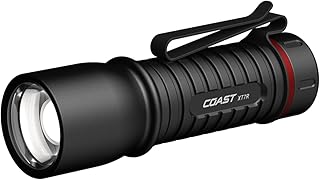 XT7R 1500 Lumen Rechargeable LED Flashlight with Magnetic Mount, Slide Focus, and Pocket Clip, Black
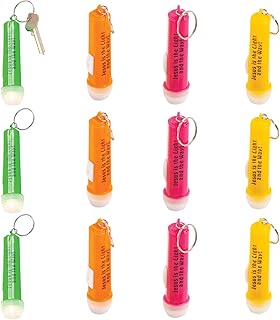 Express Jesus is The Light Flashlight Key Chains (Set of 12) Religious Party Supplies - VBS 2026 Vacation Bible School Supplies/Decor
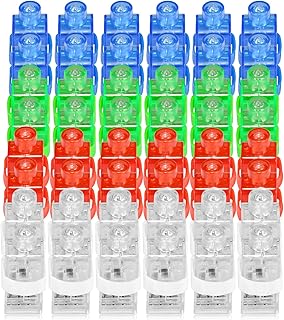 CADE ELECTRONIC Finger Lights- 50Pcs Finger Flashlights for Kids-Bachelorette Party Favors - Party Supplies for Parties Cheering Novelty Toys for Kids, Adult