Introduction: why this buying guide matters
Flashlights remain essential products across industrial, commercial and consumer channels. For global lighting importers, wholesalers, distributors and project contractors, choosing the right flashlight SKU mix means balancing performance, compliance, price and supply reliability. This guide explains the key technical criteria, compliance issues, procurement practices and commercial considerations you should use when sourcing flashlights at scale. JECTE is a lighting manufacturer and industrial supply partner; use this checklist to streamline evaluation, reduce risk and speed time-to-market.
Who should use this guide
This guide is written for B2B buyers handling flashlights for resale, specification in projects, bulk procurement or national distribution. It covers importers, wholesalers deciding SKU assortments, distributors evaluating suppliers, and contractors needing dependable tools for site work.
Core technical specifications to evaluate
Understanding the product technical baseline allows you to compare competing SKUs objectively. Use these parameters when screening samples and reviewing datasheets.
Lumen output and beam distance
Lumens measure total light output; beam distance indicates usable range. For consistent comparisons require manufacturers to state ANSI/NEMA FL1 test results, which define standardized lumen and beam distance measurement methods. Match lumen class to application: utility lighting (100–500 lm), tactical/industrial (500–2,000 lm), search-and-rescue (>2,000 lm).
Runtime and power curves
Runtime claims should show how output declines over time. Look for burn-time graphs or FL1 runtime tests at specified modes (high, medium, low). Consider thermal regulation; higher-output flashlights may throttle to prevent overheating, changing effective runtime.
Light source and LED performance
Modern flashlights use high-power LEDs. Key LED factors: color temperature (measured in Kelvins), CRI (color rendering index) if color accuracy matters, and LED binning quality. CREE, Nichia and Samsung are common LED manufacturers—ask for bin codes or performance data when color consistency is required.
Battery chemistry and options
Battery choice affects size, weight and runtime. Common chemistries include alkaline, NiMH, Li-ion (18650, 21700) and CR123 primary cells. Rechargeable Li-ion cells offer best energy density but require integrated charging or compatible external chargers. Ensure batteries and chargers conform to transport regulations for air shipments.
Durability: materials, impact resistance and IP rating
Assess housing materials (anodized aluminum, polycarbonate, stainless steel), impact rating (usually meters), and ingress protection (IP) rating. IPX4 means splash-resistant; IP67 or IP68 indicates dust-tight and temporary or continuous immersion protection—important for marine and outdoor project specifications.
Ergonomics, weight and mounting options
Consider grip design, button placement, lanyard/clip/magnetic mounts and compatibility with helmet or rail mounts for tactical or industrial use. Weight and size influence user acceptance for handheld or tool-belt applications.
Switch types, modes and user interface
Switches may be tailcap, side, or remote. Modes include strobe, SOS, low/med/high and programmable outputs. For professional use, clearly defined mode steps and lockout function reduce accidental activation in transport and storage.
Compliance, testing and certifications
Regulatory and safety compliance reduces product risk and eases market entry. Require documentation and independent test reports for markets where you sell.
Key international standards
- CE marking for the European Economic Area: indicates conformity with health, safety and environmental protection standards.
- RoHS: restriction of hazardous substances for electronics sold in the EU.
- EMC and LVD: where integrated electronics necessitate electromagnetic compatibility and low-voltage compliance.
- UL or ETL: optional for North American markets where third-party safety recognition is valued.
- ATEX/IECEx: for equipment used in explosive atmospheres (mining, petrochemical).
- IP and IK ratings: for ingress and impact protection levels.
Battery transport and shipping rules
Transporting lithium batteries is regulated internationally (IATA, IMDG). Confirm whether batteries are shipped inside the device, installed, or separately packed, and that the supplier provides correct documentation, labeling and approved packaging.
Product features that drive buyer demand
Different end-markets prioritize different features. Tailor your SKU mix by understanding buyer needs.
Rechargeable vs disposable options
Rechargeable flashlights (USB-C charging, magnetic chargers) reduce lifetime cost and generate higher unit price and margin. Disposable battery flashlights appeal where replacement batteries are common and charging infrastructure absent. Hybrid models supporting both internal rechargeable cells and external disposable cells offer flexibility.
Smart features and accessories
Integrated power banks, USB output, programmable modes, and wireless magnetic mounts increase perceived value. Accessories—filters, diffusers, holsters, helmet mounts—expand SKU attachment sales and are important to wholesalers and distributors planning bundled offers.
Segment-specific designs
- Tactical: quick access, strobe, crenulated bezels, weapon mounts.
- Industrial: high IP/IK, lockout, long-term reliability and serviceability.
- Search-and-rescue: high output, long beam distance, SOS/morse modes.
- Marine: corrosion-resistant materials, buoyancy or float attachments.
Sourcing and supply chain considerations
Evaluate supplier capabilities beyond the product spec sheet. Reliability, lead times and logistics determine whether SKUs are viable for your business.
MOQ, lead times and flexible production
Discuss minimum order quantities and tiered pricing. A manufacturer should offer flexible MOQs for initial orders and scale production as you forecast growth. Confirm lead times for standard and peak seasons, and whether the supplier maintains buffer stock to reduce supply disruptions.
Packing, labeling and retail readiness
Packaging can be a value driver for wholesalers and retailers. Options include polybag, blister, retail box, or bulk cartons. Discuss custom packaging, multilingual labels, barcodes (EAN/UPC), and compliance labeling for target markets.
Quality control and acceptance testing
Require an agreed QC plan: incoming material checks, in-process inspections, final inspection reporting and random sampling. Typical tests include functional checks, burn-in/aging, drop tests, IP testing and lumen verification. Consider third-party pre-shipment inspections where risk tolerance is low.
Pricing, total cost of ownership and warranty
Unit price is only one component. Calculate total cost of ownership (TCO) including returns, warranties, battery replacements and freight.
Evaluating lifetime cost
Ask suppliers for realistic lifetime projections based on LED L70 data (time until LED output reaches 70% of initial value) and battery cycle life. High-efficiency LEDs and quality cells may cost more upfront but reduce replacements and warranty claims.
Warranty terms and spare parts
Define warranty coverage: duration, failure causes covered, RMA workflow, spare parts availability (o-rings, charging modules, PCB) and repair vs replace policies. A manufacturer that supports after-sales service reduces your operational overhead.
Customization and OEM/ODM opportunities with JECTE
For buyers seeking differentiation, discuss OEM/ODM options. JECTE supports private label programs and technical customization to meet project or retail specifications.
Common customizations
- Branding: logo printing, laser engraving, custom colors.
- Packaging: bespoke retail boxes, instruction manuals and compliance labels in target languages.
- Firmware/UI: mode configuration, lockout behavior and programmable sequences.
- Hardware changes: lens optics, reflector profiles, battery chemistry and connector types.
Process and timelines
A typical OEM process includes design review, tooling/mold development, sample approval, pilot production and full-scale manufacturing. Expect lead times for tooling and certification—factor these into product launch schedules.
How to evaluate a flashlight sample quickly: a buyer checklist
When you receive samples, perform a fast but effective review using this checklist:
- Verify declared lumen and runtime using an independent test or documented FL1 report.
- Check build quality: threads, anodizing, o-rings, screw torque and housing finish.
- Inspect battery compartment and polarity, test charging circuit for safety and heat generation.
- Run burn-in for several hours to detect early failures or rapid lumen drop.
- Test ingress protection by following manufacturer test data or a small immersion test if applicable and safe to do so.
- Confirm labels, CE/ROHS marks and battery shipping instructions are present and legible.
- Assess user interface for intuitiveness and possible accidental activation during transport.
Negotiation tips and reducing procurement risk
Structure contracts to protect both parties: use phased MOQ increases, clearly defined QC acceptance criteria, agreed warranty SLAs and penalties for non-conformance. Where possible, include drop-shipping or consignment arrangements to reduce inventory risk during the first season.
Conclusion: partnering with JECTE for reliable flashlight supply
For importers, wholesalers, distributors and project contractors, a systematic approach to flashlight procurement reduces returns and improves margins. Prioritize ANSI/FL1 claims, battery shipping compliance, durable construction and clear warranty terms. JECTE is positioned to support global buyers with OEM/ODM capabilities, production scale, and quality control processes tailored to B2B needs. Contact JECTE to request samples, discuss MOQs, and build a flashlight program that matches your market strategy.
Next steps
Request a sample pack covering your target segments, ask for FL1 test reports and certification dossiers, and evaluate packaging and labeling options for your markets. A short pilot order with defined QC checkpoints is an effective way to validate supplier performance before scaling.
Related Products
Explore related products from JECTE for your next sourcing project.
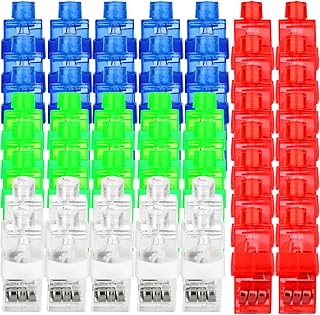 60Pcs LED Finger Lights Flashlights for Kids Glow Party Favors Birthday Christmas Halloween Supplies
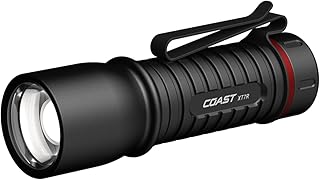 XT7R 1500 Lumen Rechargeable LED Flashlight with Magnetic Mount, Slide Focus, and Pocket Clip, Black
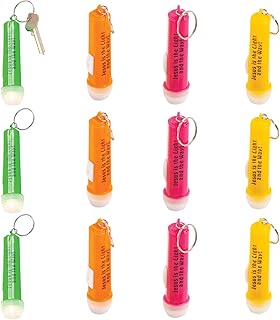 Express Jesus is The Light Flashlight Key Chains (Set of 12) Religious Party Supplies - VBS 2026 Vacation Bible School Supplies/Decor
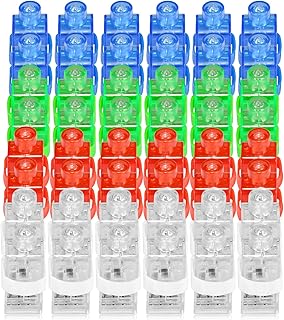 CADE ELECTRONIC Finger Lights- 50Pcs Finger Flashlights for Kids-Bachelorette Party Favors - Party Supplies for Parties Cheering Novelty Toys for Kids, Adult