Why this guide matters for buyers
Flashlights are a commodity to many end users but a technical product for buyers: performance varies widely by LED, optics, battery chemistry, and mechanical design. For importers, wholesalers, distributors and contractors, choosing the right flashlight product impacts customer satisfaction, returns, compliance and total cost of ownership. This guide focuses on the commercial decision points you need when sourcing flashlights at scale.
Define the target applications
Begin by mapping your buyers and use-cases. Application informs every technical and commercial requirement:
- Industrial maintenance and construction: focus on impact resistance, runtime, hands-free mounting and ANSI-style lumen reporting.
- Search & rescue, security or tactical: prioritize beam throw (candela), strobe options, ruggedization, and battery reliability under extreme conditions.
- Mining and oil & gas: require intrinsic safety (ATEX/IECEx), high IP/IK ratings and corrosion resistance.
- Marine and outdoor retail: waterproofing (IPX7/IPX8), anti-corrosion finishes, and Bluetooth or USB-C charging can be differentiators.
- Inspection and electronics: low-glare, high CRI, narrow beams and flexible mounting options are important.
Core technical specifications to compare
When comparing flashlight models, ensure each spec is clearly defined and measured under consistent test conditions.
- Lumens: total luminous flux. Use as a headline metric but be careful—manufacturers may quote peak initial lumens without thermal step-down.
- Candela and beam distance: critical for search or tactical use. Candela describes center-beam intensity; beam distance is calculated from candela and is more relevant for operational visibility.
- Runtime: measured at a defined mode (e.g., high), and specify whether it is until a set lux level or until shutoff. Look for runtime curves when available.
- Battery type and capacity: AA, CR123A, 18650, 21700, integrated Li-ion, or NiMH. Note capacity (mAh), charge method, cycle life, and availability of replacements.
- Charging: onboard USB-C, micro-USB, proprietary dock, or removable cell charging. Fast-charge capability and USB-C with PD are increasingly expected for premium lines.
- Optics: reflector vs. TIR lenses affects beam shape. Reflectors throw farther; TIR provides uniform flood.
- Color temperature & CRI: CCT (2700K–6500K) affects perception; CRI >80 is preferred where color rendering matters.
- Durability: ingress protection (IP) and impact rating (IEC 62262 / IK). For many projects, IP68 and IK07 or higher are required.
- Materials: anodized aluminium, stainless steels, or high-performance polymers. Consider weight, corrosion resistance and finish options for branding.
- Accessories: holsters, diffusers, mounts, spare O-rings, charging stations and vehicle adapters support channel sales and add margin.
Safety, standards and certifications
Regulatory and safety conformance is non-negotiable for global distribution—especially in regulated sectors.
- CE, RoHS, REACH: required for EU market access and often requested by large distributors.
- UL/cUL and FCC: relevant for battery and electronic safety in North America.
- ATEX / IECEx: essential for intrinsically safe flashlights used in petrochemical, mining or explosive environments.
- IP and IK testing: ensure test reports accompany claims like IP67, IP68 or IK08.
- UN 38.3: mandatory testing for lithium battery transport by air; ensure documentation for international shipments.
Battery choices: trade-offs and guidance
Battery chemistry and format shape logistics, costs and end-user convenience.
- Primary cells (disposable): CR123A or AA are common. Pros: predictable shelf life and ease of replacement. Cons: longer-term cost and environmental concerns.
- Rechargeable cells (protected 18650/21700): lower total cost of ownership and higher energy density. Pros: reusability, strong performance. Cons: supply chain for high-quality cells, protection circuitry, and shipping restrictions.
- Integrated Li-ion with onboard charging: convenient for consumers and contractors. Confirm charge cycles (typically 300–1000) and end-of-life behavior.
- Battery management: overcharge, temperature and reverse-polarity protections reduce returns and safety incidents.
Durability and serviceability for project buyers
For contractors and project specifiers, durability and maintainability lower lifecycle costs.
- Modular designs that allow replacement of heads, lenses, or batteries reduce waste and enable warranty repairs.
- Sealed vs. serviceable designs: sealed flashlights are simpler but harder to repair; evaluate expected failure modes for your channel.
- Availability of spare parts and service manuals is vital for distributors who provide after-sales support.
Packaging, labeling and retail readiness
Packaging choices affect freight, shelf presentation and compliance.
- Bulk carton sizes should balance freight efficiency with retail shelf readiness.
- Include multilingual labels, pictograms for battery disposal, and required regulatory marks for destination markets.
- Consider retailer requirements (barcode, hang-hole, SKU labeling) early—repackaging at destination adds cost.
Commercial considerations: MOQ, pricing, lead time and logistics
Negotiation levers that matter for importers and wholesalers:
- MOQ flexibility: Smaller buyers should discuss staggered production or consolidated SKUs to reduce inventory risk.
- Tiered pricing: Ask for clear breakpoints for volume discounts and evaluate landed cost per unit, not just FOB price.
- Lead times: Confirm production, QC and shipment lead times. Include buffer for certification renewals or additional testing.
- Incoterms and freight: Define responsibilities for shipping documents, insurance and customs clearance to avoid surprises.
- Packaging & labeling timelines: Custom branding or private-label packaging extends lead times—plan for tooling and artwork approvals.
Quality assurance and testing checklist
Require test documentation and perform sample verification before full order release.
- Request photometric reports, lumen and candela measurements, and runtime curves from manufacturer test labs.
- Validate battery cycle life, charging performance and thermal behavior with independent lab tests where necessary.
- Inspect IP and IK test reports and certificates (not just claims on datasheets).
- Ask for production QC plans: incoming inspection, in-line testing, endurance testing and final inspection standards (AQL levels).
Warranty, returns and after-sales support
Warranties reduce buyer risk but also shift cost to the supplier. Clarify terms before contracting.
- Define warranty length, coverage (batteries, electronics, mechanical), and RMA processes.
- Negotiate replacement lead times for warranty units and costs for repair vs. replacement.
- Consider stocking a small spare-parts inventory and service kits for large contracts or projects.
Procurement process: samples, pilot runs and scaling
Use a staged approach to mitigate risk and validate market fit.
- Order engineering samples for technical validation and retail samples for end-user feedback.
- Run a small pilot production batch with final packaging and labels. Use this to evaluate logistics and in-market performance.
- Scale to full production only after pilot feedback and QC acceptance criteria are met.
Questions to ask potential suppliers
Use these focused questions in RFQs and supplier calls:
- What is the full spec sheet with photometric reports (lumens, candela, runtime curves)?
- Which certifications and test reports do you provide (CE, RoHS, UN38.3, ATEX/IECEx if applicable)?
- What are your MOQ, lead time, and sample policy for private-label versions?
- Do you provide battery safety test reports and UN transport documentation?
- What QC procedures and AQL levels do you apply during mass production?
- What spare parts and after-sales support do you offer for warranty repairs?
How JECTE supports global buyers
JECTE is a lighting manufacturer and industrial supply partner experienced in supplying flashlights and portable illumination solutions to global importers, wholesalers, distributors and project contractors. Our capabilities include:
- Product customization: OEM/ODM design, private labeling, and configurable packaging for retail or bulk channels.
- Testing and certification: in-house pre-production testing and coordination with accredited labs for CE, RoHS, UN38.3, ATEX/IECEx and other market-specific approvals.
- Flexible supply: scalable MOQs, pilot runs, and managed lead times to align with project rollouts and seasonal demand.
- After-sales and spares: spare parts programs, technical documentation, and RMA support to minimize downtime in projects.
- End-to-end logistics: assistance with packing optimization, freight consolidation, and export documentation to ensure smooth customs clearance.
Decision checklist for buyers
Use this quick checklist when evaluating flashlight options:
- Application match: Does the beam type, lumen output and runtime match end-user needs?
- Safety and compliance: Are the required certificates and transport documents available?
- Durability: Do IP/IK ratings and materials meet your environmental demands?
- Battery strategy: Is battery availability, charging method and cycle life aligned with channel needs?
- Commercial terms: Are MOQ, pricing tiers and lead times acceptable for your business model?
- Samples & QA: Have samples passed your in-house tests and are photometric reports verified?
- Support: Is warranty, spare parts availability and supplier responsiveness adequate?
RFP template items to include
When issuing an RFP, include these mandatory items to get comparable quotes:
- Complete technical specification sheet and required photometric standards.
- Required certifications and testing reports for target markets.
- Sample requirements, timeline for pilot batch and acceptance criteria.
- MOQ and price breaks at defined quantity tiers; request FOB and landed cost options.
- Packing configuration, labeling requirements and barcode/retailer specs.
- Warranty terms, RMA procedures and spare parts lead times.
Flashlights may seem simple, but the choices you make at procurement determine product performance, regulatory compliance and lifecycle costs for your customers. If you need a manufacturing partner who can support testing, certification and tailored supply solutions, JECTE can assist with samples, pilot runs and full-scale production to match your channel needs.
Contact JECTE to discuss specifications, MOQ options and sample programs tailored to your market and projects.
Related Products
Explore related products from JECTE for your next sourcing project.
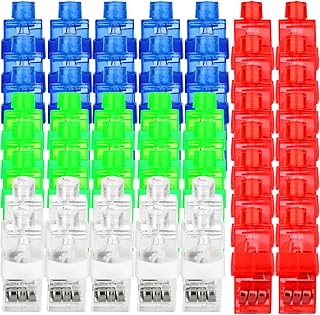 60Pcs LED Finger Lights Flashlights for Kids Glow Party Favors Birthday Christmas Halloween Supplies
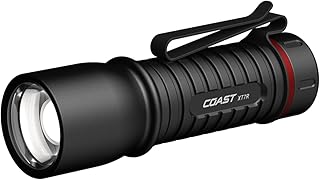 XT7R 1500 Lumen Rechargeable LED Flashlight with Magnetic Mount, Slide Focus, and Pocket Clip, Black
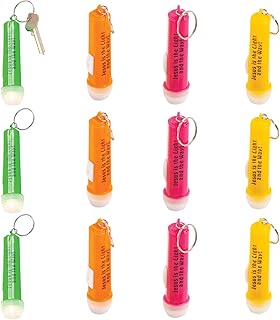 Express Jesus is The Light Flashlight Key Chains (Set of 12) Religious Party Supplies - VBS 2026 Vacation Bible School Supplies/Decor
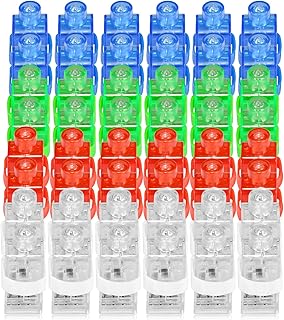 CADE ELECTRONIC Finger Lights- 50Pcs Finger Flashlights for Kids-Bachelorette Party Favors - Party Supplies for Parties Cheering Novelty Toys for Kids, Adult