Why this guide matters for B2B buyers
Flashlights are a commodity with many performance variables that directly affect end-user satisfaction, warranty claims, and total cost of ownership. For importers, wholesalers, distributors, and project contractors, choosing the right flashlight means balancing luminosity, runtime, ruggedness, certification, supply reliability, and unit cost. This guide explains the key technical and commercial considerations to help procurement teams create accurate specifications, evaluate suppliers, and reduce risk.
Types of flashlights and common applications
Understanding product categories helps match the right flashlight to market or project needs:
- Everyday carry (EDC) – compact, pocketable units for retail and giveaways.
- Tactical – high-output, aggressive bezel, tail switches, law enforcement and security applications.
- Work/industrial – spill-proof, anti-slip grips, mounts, and magnetic bases for maintenance and construction.
- Search and rescue – long throw, high lumen, multiple optics for SAR teams and emergency services.
- Headlamps and hands-free – for miners, utility crews, and outdoor contractors.
- Area lights and lanterns – wider beam for campsites, work sites, and power outages.
Key technical specifications to require in RFQs
Put measurable requirements into your Request for Quotation (RFQ) so suppliers provide comparable bids:
- Lumen output – provide both maximum (boost) and standardized output at calibrated driver settings.
- Beam distance – specify ANSI/FL1 beam distance or lux at 1m; useful for search/inspection applications.
- Runtime – ANSI/FL1 runtime to a defined lumen threshold and any stepdown behavior.
- Battery type – disposable (AA/CR123A), rechargeable (18650/21700), integrated Li-ion, or NiMH. Include chemistry, capacity (mAh), and expected cycles.
- Charging interface – micro-USB, USB-C, magnetic, or external charger; include charge time and charging protection specs.
- Thermal management – housing materials and thermal foldback thresholds to prevent overheating.
- Durability – drop height (meters), impact (IK rating), and scratch resistance.
- Ingress protection – IPX ratings for water/dust resistance (IPX4, IPX7, IP67 are common).
- Operating temperature – required min/max ambient temps for your markets or projects.
- Material and finish – aluminum alloy grade, anodizing thickness, or polymer specifications.
- Weight and dimensions – critical for EDC and headlamp categories.
- Modes and controls – number of brightness levels, strobe/SOS functionality, UI behavior.
Battery choices, transport, and logistics
Batteries are often the procurement bottleneck. Specify battery rules and plan logistics accordingly:
- Replaceable cells – AA, AAA, CR123A are simple for distribution; rechargeable 18650/21700 offer higher performance but require safe handling.
- Integrated rechargeable – convenient for end users but increases complexity for transport, warranties, and disposal.
- Transport regulations – lithium batteries are hazardous goods. Ensure supplier compliance with UN38.3 testing and proper packing per IATA (air), IMDG (sea), and ADR (road) rules.
- Spare battery kits – consider separate SKUs for spare cells and chargers to avoid shipping restrictions on finished goods.
- Battery lifecycle – request cycle count expectations, capacity retention at 300/500 cycles, and safe-charge cutoff details.
Optics, LEDs and drivers
LED choice and optical design determine perceived brightness and beam quality:
- LED types – high-power LEDs from reputable manufacturers (Cree, Nichia, Lumileds) for consistent color and reliability.
- Color temperature and CRI – specify CCT (e.g., 3000K warm, 5000K neutral) and minimum CRI where color rendering matters.
- Optics – reflectors for throw, TIR lenses for spot-to-flood balance. Ask for beam pattern photos at set distances.
- Driver features – PWM frequency, regulated output, low-voltage protection, and firmware-defined modes for user experience consistency.
Durability and materials
Material choice affects weight, corrosion resistance, and thermal performance:
- Housing – 6000 or 7000 series aluminum is common; stainless steel or polymer for chemical environments.
- Coatings – Type III hard-anodize for abrasion resistance; MIL-A-8625F if specified for military or industrial contracts.
- Seals and buttons – silicone or EPDM O-rings, and IP-rated switches and sockets to maintain ingress protection.
- Impact resistance – specify drop tests (e.g., 2m, 1m) and IK rating where relevant.
Certifications and compliance to request
Ensure products meet regulatory and market expectations:
- Electrical and safety – CE, RoHS, and relevant national approvals like UL or ETL for North America where applicable.
- Hazardous locations – ATEX and IECEx approvals for intrinsically safe flashlights used in petrochemical or mining operations.
- EMC – CE EMC compliance for integrated chargers or USB interfaces.
- Transport – UN38.3 for lithium cells and additional packaging approvals for air shipment.
- Quality systems – ISO 9001 certification is a strong indicator of consistent manufacturing controls.
Quality control and testing to require
Include objective test criteria in purchase contracts and pre-shipment inspections:
- Lumen and runtime verification – integrating sphere measurements and ANSI/FL1 reporting for output and runtime to a lumen threshold.
- Thermal testing – measure case temperature rise and automatic stepdown behavior at maximum output.
- Drop and ingress tests – define drop height, number of impacts, and IPX immersion tests.
- Battery safety tests – overcharge, short-circuit, and thermal stability tests for rechargeable models.
- Sample approval process – approve pre-production samples (PPS) and production verification samples (PVS) before mass production.
Customization, branding, and packaging
Customization is a differentiator for distributors and retail partners. Options include:
- Laser engraving or pad printing for logos, model numbers, and UID markings.
- Custom color finishes and anodize options to suit retail assortments.
- Packaging variations: bulk cartons, retail-ready blister packs, or premium gift boxes.
- Accessory bundling: holsters, spare O-rings, charging cables, spare batteries.
- Firmware and UI changes: default brightness levels, mode memory, and lockout features.
Commercial terms: MOQ, lead times, and pricing drivers
Cost is influenced by materials, electronics, certification, and order volume. Negotiate terms around:
- MOQ – typical MOQs range from a few hundred for standard models to several thousand for customized SKUs. Clarify tiered pricing thresholds.
- Lead times – factor in 4–10 weeks for standard production; 10–16+ weeks for new tooling or certification-dependent runs.
- Tooling and setup – one-time costs for custom housings, molds, or packaging should be amortized across forecast volumes.
- Freight and battery constraints – battery shipping surcharges and routing requirements for air vs sea transport.
- Payment terms – negotiate letter of credit, deposit percentages, and final payment upon inspection or CIF/DDP options.
After-sales support and spare parts
Clarify expectations for support before signing the contract:
- Warranty terms – duration, failure rate allowances, and RMA procedures.
- Replacement parts – availability of spare batteries, O-rings, switches, and optics for service life planning.
- Technical documentation – operation manuals, safety data sheets (SDS) for batteries, and repair guides.
- Field service – options for regional repair centers or authorized service partners for large contracts.
Supplier selection and RFP checklist
Use this checklist to shortlist manufacturers and suppliers:
- Provide a clear RFQ with required technical specs, certifications, and sample approval steps.
- Request factory audits or virtual tours and confirm ISO 9001 or equivalent quality systems.
- Ask for full test reports (UN38.3, EMC, CE declarations) and sample test measurements (lumen, runtime).
- Confirm MOQ, pricing tiers, tooling costs, and lead times in writing.
- Verify battery sourcing and transport compliance for lithium cells.
- Check references and recent clients in your target markets.
- Include acceptance testing and pre-shipment inspection clauses in the purchase order.
Reducing risk in procurement
Practical steps to lower program risk:
- Start with small pilot orders and shelf-life testing before full-scale buy.
- Include penalty or remediation clauses for late delivery, out-of-spec product, or excessive failure rates.
- Insist on traceability for battery lots to manage recalls or safety concerns.
- Maintain a second-source supplier for critical SKUs to avoid single-supplier disruptions.
A final note on partnering with a manufacturer
Global buyers benefit from working directly with experienced manufacturers who can integrate engineering, testing, and compliance services. JECTE, as an industrial lighting manufacturer and supply partner, supports tailored flashlight programs—from specification development and prototyping to certification, volume production, and logistics. When evaluating suppliers, prioritize transparency in testing, battery safety expertise, and demonstrated supply-chain controls to ensure consistent product quality and on-time delivery.
Next steps for procurement teams
Prepare an RFQ using the checklist above, request pre-production samples for ANSI/FL1 testing, and review UN38.3 battery documentation early. Engage suppliers on MOQ and tooling costs and build contingencies for hazardous goods transport. With defined specs and a supplier that provides end-to-end support, buyers can reduce time to market and minimize warranty exposure.
For tailored support on flashlight specifications, compliance, and volume production, contact JECTE to discuss partnership options and sample programs tailored to your market or project needs.
Related Products
Explore related products from JECTE for your next sourcing project.
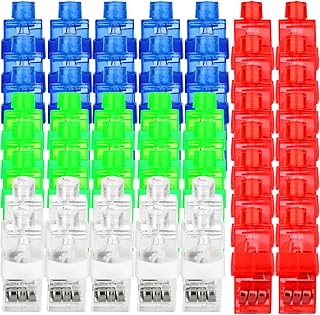 60Pcs LED Finger Lights Flashlights for Kids Glow Party Favors Birthday Christmas Halloween Supplies
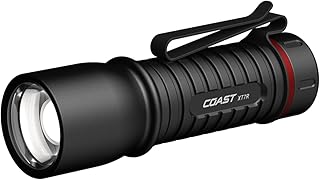 XT7R 1500 Lumen Rechargeable LED Flashlight with Magnetic Mount, Slide Focus, and Pocket Clip, Black
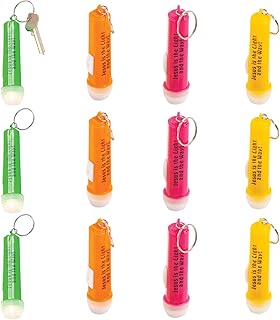 Express Jesus is The Light Flashlight Key Chains (Set of 12) Religious Party Supplies - VBS 2026 Vacation Bible School Supplies/Decor
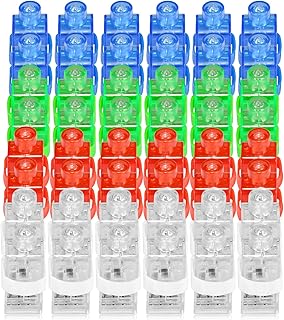 CADE ELECTRONIC Finger Lights- 50Pcs Finger Flashlights for Kids-Bachelorette Party Favors - Party Supplies for Parties Cheering Novelty Toys for Kids, Adult