Why this flashlight buying guide matters for B2B buyers
Flashlights remain essential across industries: industrial maintenance, mining, security, emergency response, construction and retail. For importers, wholesalers, distributors and project contractors, choosing the right flashlight product mix affects downstream logistics, warranty costs and customer satisfaction. This guide clarifies technical specifications, compliance, manufacturing considerations and commercial terms to help you evaluate suppliers and finalize purchase decisions efficiently.
Key flashlight specifications buyers must evaluate
Understanding technical specs ensures products meet end-user needs and regulatory demands. Focus on measurable, standardized attributes.
Luminous output (lumens) and beam characteristics
Lumens quantify total light output. Typical commercial ranges:
- Low-output work lights: 50–200 lumens
- General-purpose flashlights: 200–1,000 lumens
- High-performance tactical/industrial: 1,000–5,000+ lumens
Also check candela and beam distance: candela indicates beam intensity at the center; beam distance estimates useful range. Choose products that match end-use: a wide flood beam for close work, a focused throw for long-distance search.
Runtime and mode profiles
Runtime depends on LED efficiency, driver design and battery capacity. Vendors should provide FL1-standard runtimes for each mode (high, medium, low). Verify adaptive modes, strobe and SOS functions only if required for the market.
Batteries and charging options
Battery type is a major logistic and regulatory factor:
- Disposable alkaline (AA/AAA): simple logistics, no special shipping for liquids, inexpensive but lower energy density.
- NiMH rechargeable: good cycle life, familiar form factors (AA, AAA); safer for transport than lithium.
- Lithium-ion (Li-ion 18650, 21700, integrated cells): high energy density and runtime; triggers transport regulations (UN 38.3, IATA) and requires strict documentation.
- Integrated rechargeable (USB-C, micro-USB, wireless): convenient for end users; consider ingress protection at charging ports and cable durability.
For international buyers, clarify whether cells ship installed or separately, and who will handle battery-related compliance.
Ingress Protection (IP) and impact ratings
IP ratings indicate resistance to dust and water. Commonly requested levels:
- IP54: protection against dust ingress and water splashes — OK for general use.
- IP65/IP66: dust-tight and protected against jets — suitable for harsher environments.
- IP67: dust-tight and temporary immersion protection — useful for emergency kits.
- IP68: continuous immersion — required for specialized applications.
Impact resistance is often expressed in meters of drop height (e.g., 1m, 1.5m, 2m). For military or heavy industrial use, ask for MIL-STD-810G or equivalent drop and vibration tests.
Materials, finish and ergonomics
Housing materials affect weight and durability. Common options:
- Aluminum alloy (often 6061 or 7075): lightweight, durable, good heat dissipation for high-output LEDs.
- Stainless steel: highly durable but heavier and costlier.
- Engineered plastics (PC, ABS): economical, impact-resistant for consumer-grade units.
Surface treatments (anodizing, hard-coat finishes) improve corrosion resistance. Evaluate grip design, belt clips, holsters and mounting options when selling for field use.
Certifications, testing and regulatory compliance
Importers and distributors must ensure products comply with destination market requirements.
Electrical and safety standards
- CE marking (EU) — product safety and EMC compliance; RoHS for hazardous substances.
- UL/CSA (North America) — relevant for certain commercial sales channels, especially when lighting is used in workplace environments.
- EMC testing — especially for rechargeable flashlights with circuits that may emit electromagnetic interference.
Battery transport and safety
Lithium batteries require UN 38.3 testing and compliance with IATA/IMDG rules for air and sea transport. Confirm whether your supplier can provide certified test reports and handle appropriate labeling and packaging. Non-compliance can result in shipment delays and fines.
Quality and lifecycle testing
Request documentation on:
- LED aging and lumen maintenance testing (L70 estimates)
- Thermal management and overheating protection
- Ingress and impact testing records
- Battery cycle life and safety tests
Commercial factors: MOQ, lead times and pricing drivers
Understanding manufacturer economics helps plan inventory and pricing strategies.
Minimum order quantities (MOQ)
Standard MOQs for off-the-shelf flashlight models can range from 200–1,000 units depending on complexity. Custom models, tooling, or private labels typically require higher MOQs and longer lead times. Negotiate staggered shipments if you need smaller initial inventory.
Lead times
Typical lead times:
- Stock items: 7–21 days
- Custom models or private label: 4–12 weeks (tooling and sample approvals add time)
Plan for seasonal demand and potential battery-related shipping constraints that can lengthen lead times.
Pricing drivers
Key cost factors include:
- LED brand and binning (premium LEDs cost more)
- Battery chemistry and capacity
- Driver complexity (multi-mode, thermal regulation)
- Housing material and finishing
- Certifications and testing costs
- Tooling and mold costs for custom products
Packaging, labeling and logistics
Packaging choices affect retail appeal and shipping costs. For B2B buyers, prioritize functional packaging and compliance documentation.
Packing options
- Bulk boxed (saves cost for wholesalers)
- Retail-ready blister or window boxes
- Custom-branded packaging for private-label customers
Labeling and documentation
Ensure supplier provides user manuals, safety and battery handling instructions, CE/UL logos if applicable, and any required country-specific markings. For lithium batteries, ensure correct hazard labels and shipping declarations are included.
Quality assurance and supplier evaluation checklist
Use this checklist when vetting potential flashlight manufacturers:
- Production capacity and typical lead times
- MOQ flexibility and pricing tiers by volume
- Sample availability and sample testing policies
- Certifications: CE, RoHS, UL, UN 38.3 battery tests
- In-house QC protocols: incoming materials, mid-line checks, final inspection
- Accelerated aging and environmental testing reports
- Warranty terms and repair/spare parts policy
- Packaging, labeling and documentation capabilities
- After-sales support and lead times for replacement parts
- References from existing B2B clients and case studies
Warranty, after-sales service and spare parts
For B2B buyers, warranty and repair logistics have a direct impact on total cost of ownership. Common warranty terms range from 12 months to 5 years depending on segment and price point.
Ask about:
- Warranty coverage details (driver failure, LED degradation, seals)
- Authorized repair centers and turnaround times
- Availability of spare parts: O-rings, lenses, battery packs, drivers
- Upgrade paths for firmware or modules in smart flashlights
Customization and private-label opportunities
Private labeling and product customization are common for distributors and retail chains. Typical options include:
- Custom housing colors and laser engraving
- Logo printing and retail packaging design
- Modified mode sets, beam optics and battery options
- Bundled accessory kits: holsters, mounts, charging docks
Understand additional tooling costs, MOQ increases and lead-time impacts before committing.
Handling lithium batteries: shipping and storage essentials
Lithium batteries increase product attractiveness but add logistical complexity. Key actions for buyers:
- Verify UN 38.3 certification and obtain a copy of test reports
- Confirm declared Watt-hour rating for each cell to determine shipping class
- Work with freight forwarders experienced with dangerous goods
- Consider sea freight for large volumes to reduce air transport restrictions and costs
- Implement warehouse handling protocols for battery storage and returns
Practical buyer checklist before placing orders
- Define target specifications: lumen ranges, beam type, runtime, IP rating
- Request FL1 benchmarked datasheets from suppliers
- Obtain samples for hands-on validation and independent lab testing
- Confirm battery transport documentation and labeling
- Negotiate MOQ, payment terms, and production/inspection milestones
- Ask for warranty policy, spare-part availability and RMA procedures
- Agree on packaging and labeling (retail-ready vs. bulk) and inbound logistics (Incoterms)
Working with a manufacturer partner like JECTE
As an experienced lighting manufacturer and industrial supply partner, JECTE supports global buyers with off-the-shelf and customized flashlight solutions. Manufacturing capabilities include LED selection, thermal-driven driver design, IP-rated enclosures, battery integration and full compliance testing. JECTE can provide sample production, small-batch pilot runs, and scale to full production with controlled MOQs and documented quality control.
Final recommendations
For importers, wholesalers and project contractors, the right flashlight buying decision balances technical performance, regulatory compliance, total landed cost and after-sales support. Prioritize standardized testing data (FL1, UN 38.3), request physical samples for verification, and negotiate commercial terms that protect margins while ensuring timely deliveries. Partner with a manufacturer that provides clear documentation, flexible MOQ options and reliable QC workflows to reduce long-term risk.
If you need help evaluating flashlight specifications, sourcing samples, or arranging compliance testing and logistics, a manufacturing and supply partner can streamline procurement. Well-defined requirements up-front will accelerate approvals and product launches in your target markets.
Related Products
Explore related products from JECTE for your next sourcing project.
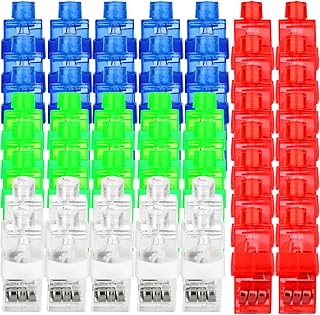 60Pcs LED Finger Lights Flashlights for Kids Glow Party Favors Birthday Christmas Halloween Supplies
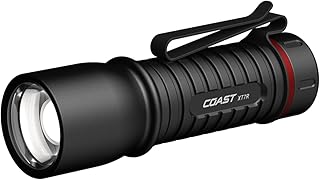 XT7R 1500 Lumen Rechargeable LED Flashlight with Magnetic Mount, Slide Focus, and Pocket Clip, Black
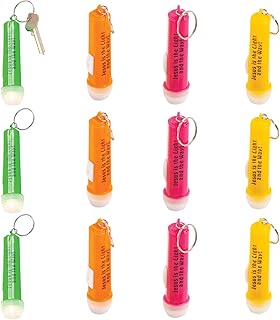 Express Jesus is The Light Flashlight Key Chains (Set of 12) Religious Party Supplies - VBS 2026 Vacation Bible School Supplies/Decor
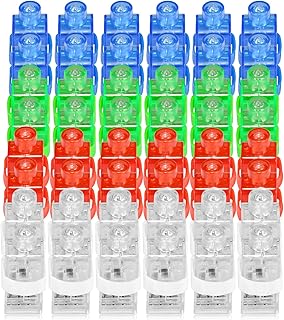 CADE ELECTRONIC Finger Lights- 50Pcs Finger Flashlights for Kids-Bachelorette Party Favors - Party Supplies for Parties Cheering Novelty Toys for Kids, Adult