Introduction
Flashlights remain a core product line for lighting distributors, industrial suppliers, and project contractors. Advances in LED technology, battery chemistry, and durable materials have expanded product choices, but they also increase complexity for buyers. This guide is written for importers, wholesalers, distributors, and project contractors who need a practical, procurement-focused roadmap for selecting, validating, and sourcing flashlights at scale. It highlights technical specs, regulatory considerations, supply chain factors, and a buyer checklist to streamline decision-making.
Why flashlight specifications matter to commercial buyers
For B2B buyers, a flashlight is not just a light source—it's an inventory item that affects margins, warranty exposure, and customer satisfaction. Selecting the right mix of designs and suppliers lowers return rates and warranty claims, reduces transport and compliance risks, and improves sell-through. Tight specification control helps ensure performance consistency across production batches and enables transparent communication with retail partners and project teams.
Key performance metrics to evaluate
- Lumens: Total light output. Choose lumen levels appropriate to the target market and application (e.g., 100–500 lumens for inspection/utility, 1,000+ for search and tactical).
- Beam distance and candela: Beam throw matters for search and outdoor uses. Manufacturers should supply candela or measured beam distance at 0.25 lux for meaningful comparison.
- Runtime: Reported runtime should specify measurement conditions and mode. Verify whether runtime is at full power, regulated output, or step-down thermal mode.
- Modes and mode spacing: Number and type of modes (low, medium, high, turbo, strobe). Mode memory and lockout options affect usability and battery life.
- Color temperature and CRI: For inspection tasks, CRI and CCT can be critical. Typical ranges are 2700–6500K; CRI 70+ is common, 80+ preferred for color-sensitive work.
- Beam pattern and tint: Flood vs. spot and neutral vs. cool white tints influence buyer preference and application suitability.
Light source and electronic drivers
LED quality and driver design determine efficiency, color consistency, and long-term reliability. Ask suppliers about LED brands and bins (e.g., Nichia, Cree, Osram), driver topology (constant current vs PWM), and thermal regulation strategy. For professional markets, request LM-80 or manufacturer LED lifetime data and details on driver surge/overcurrent protection.
Power and battery options
- Disposable batteries: AA/AAA alkalines are low cost and common in consumer lines; ideal for retail convenience formats.
- Rechargeable NiMH: A mid-cost option with stable voltage; useful for traditional form factors (AA/AAA rechargeables).
- Li-ion (18650, 21700, custom cells): Preferred for high-performance and tactical models due to energy density and long runtimes. Consider integrated protection circuits and cell brand.
- Integrated rechargeable packs: Offer USB-C charging, USB-A output, or wireless charging. Check charging rates, expected cycle life, and battery replaceability.
- Shipping and transport: Lithium batteries trigger special UN/DOT and IATA regulations. Confirm supplier compliance and whether batteries will ship installed, separated, or via air-allowed configurations.
Durability, materials and thermal management
Material choice affects weight, heat dissipation, and perceived quality. Aerospace-grade aluminum with hard-anodized finish is common for tactical and heavy-duty models. High-performance LEDs and drivers require effective heat sinking—look for fins, pill designs and thermal interface materials. For low-cost lines, reinforced polymers can balance cost and impact resistance.
Ingress protection and impact resistance
Specify minimum IP and impact standards based on application. Typical expectations:
- IP54–IP65: General utility and light industrial use.
- IP66–IP68: Outdoor, maritime, and search operations.
- Impact resistance: Indicate expected drop height (e.g., 1–2 meters) or request IK ratings if relevant.
User interface and switch types
Switch design affects ergonomics and accidental activation. Tail switches are common for tactical models, while side switches suit everyday carry and inspection lights. Consider lockout features, momentary-on capability, and tactile feedback specified by market segment.
Compliance, certifications and safety
Regulatory requirements vary by market. Buyers should require documented compliance and test reports from suppliers before shipment.
- CE and LVD: Required for most EU markets when lights include mains-powered chargers.
- RoHS and REACH: Restrict hazardous substances; often mandatory for EU customers and many global retailers.
- UN38.3: Mandatory for transport of lithium batteries by air; test reports must accompany shipments when applicable.
- UL/ETL: Useful for North American retail channels, especially for chargers and integrated charging devices.
- ATEX/IECEx: Required for flashlights used in explosive atmospheres (oil, gas, mining).
- EMC/FCC: Applicable if the product contains RF modules or may cause interference.
Supply chain and procurement considerations
Efficient sourcing balances unit cost with inventory risk and compliance. Key commercial items to negotiate and confirm:
- Minimum order quantities (MOQs) and tiered pricing based on annual volumes.
- Lead times for production runs, tooling for custom parts, and seasonal capacity constraints.
- Packaging options: retail blister, clamshell, gift box, bulk poly bags. Consider retail-ready packaging specifications early to avoid repack costs.
- Labeling and documentation: Country-of-origin marking, user manuals, warranty cards, and certificates should be tailored per market.
- Incoterms and logistics: Clarify FOB, CIF, DDP responsibilities, and battery shipping modalities for air vs sea freight.
- Quality assurance: Factory audit reports, ISO certifications, and acceptance criteria like AQL levels for inspections.
Customization and OEM/ODM services
Sourcing private-label or custom-designed flashlights requires early alignment on tooling costs, intellectual property, and prototyping timelines. Confirm the supplier’s capabilities for design iteration, 3D tooling, color matching, laser engraving, and regulated component sourcing. Request sample schedules and clear change-control procedures.
Pricing and margin drivers
Price is driven by LED/driver quality, battery type, materials, certifications, and packaging. Higher initial cost models (premium LEDs, branded cells, certified chargers) often reduce total cost of ownership through lower returns and better performance claims. Build sample test data into pricing decisions to validate value claims.
Testing, quality control and sample evaluation
Robust testing reduces risk on launch. Implement test protocols that match expected market claims and end-use scenarios.
- Photometric testing: Measure lumens and beam distribution using an integrating sphere or goniophotometer.
- Battery and runtime testing: Verify runtime under specified load and ambient conditions; perform cycle-life testing for rechargeable models.
- Environmental testing: Conduct water ingress, salt spray, and thermal cycling tests for outdoor models.
- Safety and electrical testing: Verify insulation, polarity protection, short-circuit and overcurrent protection on battery packs and chargers.
- Functional QA: Test switching, mode stability, and lockout functionality across production samples.
- Pre-shipment inspection (PSI): Enforce AQL checks on finished goods and verify packaging, labeling, and accessory counts before release.
Warranty, after-sales and spare parts
Define warranty terms clearly in supplier contracts. Typical warranties for flashlights range from 1–5 years depending on market and product tier. Ensure spare parts availability (lens, O-ring, switches, chargers) and establish repair or replacement workflows. For critical accounts or projects, negotiate local stocking of spare parts or cross-shipment agreements to minimize downtime.
Choosing the right product mix for your customers
Segment your flashlight portfolio by application and customer need to optimize inventory turns:
- Inspection/utility flashlights: Compact, balanced lumen/runtime, affordable price points for trade professionals and facilities.
- Tactical and law enforcement: High output, durable materials, MIL-style features, weapon-mountable options.
- Search and rescue: Long throw, high candela, large battery capacity, robust thermal and impact protection.
- Headlamps and wearable lights: Hands-free options for contractors, outdoor, and industrial users.
- Penlights and inspection lamps: Low-profile, focused beams for medical, electrical, and precision work.
Practical buying checklist
- Define target applications and user personas (trade, retail, tactical, industrial).
- Set minimum performance specs: lumens, candela/throw, runtime, and IP rating.
- Specify battery type and shipping arrangements; require UN38.3 reports for lithium cells.
- Request third-party photometric and electrical test reports for sample units.
- Confirm supplier certifications: RoHS, CE, EMC, UL where applicable.
- Agree MOQs, lead times, and packaging/labeling specs up-front.
- Include acceptance criteria and sample retention policy in contract.
- Plan for spares, warranty logistics, and return flows.
Working with a manufacturing partner like JECTE
Partnering with a manufacturer that understands both product engineering and global supply chains simplifies sourcing. JECTE is a lighting manufacturer and industrial supply partner that supports global buyers with OEM/ODM services, performance testing, and compliance documentation. Buyers can leverage JECTE’s capabilities for LED selection, driver engineering, battery integration, and customized packaging to reduce time-to-market and compliance risk.
When evaluating partners, prioritize those who provide:
- Transparent test data and willingness to support independent lab testing.
- Clear battery handling and transport procedures with UN38.3 evidence.
- Proven production quality controls and pre-shipment inspection records.
- Flexible MOQ structures and staged scale-up plans for product launches.
- Responsive after-sales and spare parts strategies for commercial projects.
Conclusion
Flashlight procurement for commercial channels requires attention to performance metrics, battery safety, compliance, and supply chain details. By using a structured specification approach and enforcing testing and documentation, importers, wholesalers, distributors, and contractors can reduce product risk and increase market success. Work with experienced manufacturers that provide technical support, certification assistance, and responsive logistics to streamline procurement and build profitable product lines. To discuss flashlight OEM/ODM options, testing services, or bulk sourcing strategies, reach out to JECTE to align product specifications with your market needs.
Related Products
Explore related products from JECTE for your next sourcing project.
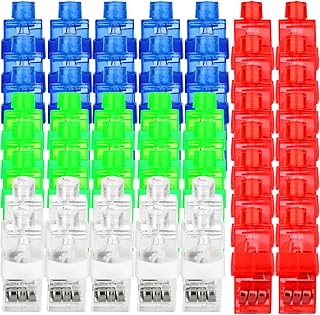 60Pcs LED Finger Lights Flashlights for Kids Glow Party Favors Birthday Christmas Halloween Supplies
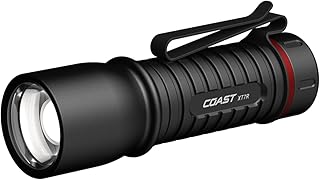 XT7R 1500 Lumen Rechargeable LED Flashlight with Magnetic Mount, Slide Focus, and Pocket Clip, Black
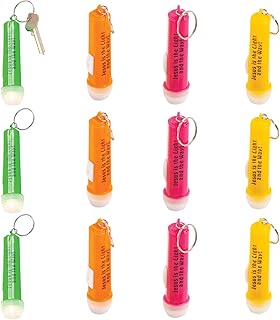 Express Jesus is The Light Flashlight Key Chains (Set of 12) Religious Party Supplies - VBS 2026 Vacation Bible School Supplies/Decor
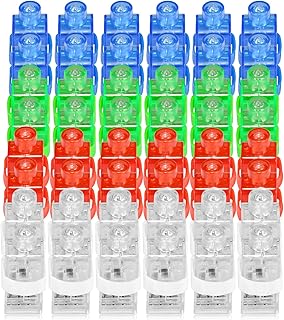 CADE ELECTRONIC Finger Lights- 50Pcs Finger Flashlights for Kids-Bachelorette Party Favors - Party Supplies for Parties Cheering Novelty Toys for Kids, Adult