Introduction
Flashlights remain essential tools across industrial, security, construction, mining, oil & gas and emergency response sectors. For global importers, wholesalers, distributors and contractors, selecting the right flashlight range means balancing performance, compliance, cost and supply stability. This guide highlights the technical specifications, standards, testing, procurement and commercial factors to evaluate when sourcing flashlights at scale.
Key technical specifications to compare
Buyers should create a spec sheet for each application. The most important parameters include:
Lumen output and beam characteristics
- Lumens: Total light output; ranges vary from 50 lm for basic EDC units to >5,000 lm for searchlights. Compare advertised lumens with photometric reports.
- Beam distance and intensity: Measure in meters and candela respectively. For search and rescue or security, beam distance and hotspot intensity are key.
- Beam pattern: Flood, spot or mixed. Choose based on task: wide flood for close work, tight spot for long-distance identification.
Runtime and power management
- Runtime: Specify how long at each mode (high/medium/low). Look for runtime measured until specified lumen drop (often 10% or 50%).
- Power management: Quality drivers provide regulated output and thermal throttling to protect LEDs and extender runtime.
Battery types and charging
- Primary cells: AA/AAA are common for low-cost models.
- Rechargeables: 18650, 21700 Li‑ion cells offer energy density and cost advantages for mid/high-end models.
- Integrated batteries and charging: USB-C fast charging and magnetic or wireless options are trending for convenience.
- Battery protection: Look for overcharge/discharge, short-circuit, and reverse-polarity protection.
LED type and color temperature
- LEDs: High-power emitters (e.g., Cree XHP/XPL, Nichia) deliver higher efficiency and longevity.
- Color temperature: 2700K–3000K (warm) to 6000K+ (cool/white). Warm is preferred for certain tasks to preserve color contrast; cool white maximizes perceived brightness.
Operational modes and controls
- Modes: High/Medium/Low/Strobe/Beacon. Fewer modes often simplify use in industrial settings.
- Switch types: Tail cap, side switch, tactical (momentary) switch—select based on application ergonomics.
Mechanical design & environmental protection
Housing materials and finishes
Aluminum alloy (6061-T6 or 6063) is industry standard for heat dissipation and strength. Stainless steel may be used for bezels or clips where corrosion resistance is critical. Look for hard-anodized Type III MIL-A-8625 coatings for abrasion resistance.
Lens, reflector and bezel
Tempered glass with anti-reflective coatings and precision reflectors or TIR optics ensure predictable beam patterns and durability.
Ingress and impact protection
- IP ratings: IPX4 (splash), IP65/IP66 (dust-tight & water-resistant), IP67 (temporary immersion), IP68 (continuous immersion) — choose according to operating environment.
- Impact resistance: IK ratings or drop tests (e.g., 1 m, 2 m, 3 m) reveal mechanical robustness.
Specialized use: hazardous areas and heavy industries
For mining, petrochemical or other hazardous environments, flashlights must meet explosion-proof standards. Key certifications include ATEX and IECEx; look for intrinsic safety (ia/ib) or flameproof (Ex d) markings. Ensure the manufacturer provides detailed equipment certificates and gas group/temperature class information matched to the intended zone.
Safety, regulatory and performance certifications
- CE Marking: Shows conformity to EU safety directives (often electrical safety and EMC).
- RoHS: Restricts hazardous substances—important for European and many global buyers.
- UL / ETL: North American safety certifications for electrical performance and battery safety where applicable.
- IECEx & ATEX: Required for certified use in explosive atmospheres.
- EMC/EMI testing: Ensures the device doesn’t interfere with or get affected by nearby electronics.
Quality assurance and testing buyers should request
Demand detailed test reports and make those tests part of acceptance criteria:
- Photometric test reports: Integrating sphere or goniophotometer data showing lumen output, candela and beam distribution.
- Thermal testing: Shows thermal regulation and driver performance under sustained operation.
- Battery safety tests: Overcharge, short circuit, thermal runaway resistance, cycle life reports.
- Environmental testing: IP, salt spray/corrosion, vibration and drop tests.
- EMC and electrical safety: Test certificates demonstrating compliance with regional standards.
Customization, OEM and branding
For wholesalers and distributors, OEM/ODM capabilities matter. Common customization options include:
- Private labeling and custom packaging
- Custom firmware and mode programming
- Tailored beam profiles and optics for specific tasks
- Special finishes, longer clips, different switches or lanyards
- Battery options and integrated charging solutions
Get clear agreements on tooling charges, MOQ for custom SKUs, lead times and intellectual property protections.
Pricing drivers and total cost of ownership
Price per unit is only one component. Key cost drivers include:
- LED and driver quality: Premium LEDs and regulated drivers raise upfront cost but reduce failure rates and returns.
- Batteries: Protected high-capacity Li‑ion cells add cost but improve lifecycle and customer satisfaction.
- Certifications: ATEX/IECEx and independent third-party testing increase manufacturing and certification costs.
- Materials and finishes: Aerospace-grade aluminum, Type III anodizing and tempered glass lens will be costlier than plastic-bodied units.
- Support and warranty: Extended warranties and spare-part availability increase value.
Estimate total cost of ownership including expected lifespan, spare parts, battery replacements and potential warranty returns.
MOQ, lead times and production planning
Suppliers typically set MOQs for standard and customized products. Plan procurement around:
- Lead times for standard SKUs (often 4–8 weeks) and longer for custom tooling (8–16+ weeks).
- Component constraints (LED bins, battery availability, IC chips) that can extend lead times.
- Seasonal demand peaks and shipping windows—stock critical items ahead of peak seasons.
Inspection, sampling and acceptance testing
Include acceptance criteria in contracts and use third-party inspections for larger orders. Recommended checks:
- Pre-shipment visual inspection (cosmetic defects, assembly quality)
- Functional testing on sample units (modes, charging, runtime)
- Random photometric sampling against certified reports
- Battery safety and cycle tests for sample batches
Packaging, labeling and documentation
Professional packaging protects goods during transit and helps retailers. Verify:
- Retail packaging options and bulk carton configurations
- Required markings and labels (CE, RoHS, WEEE, hazard markings for battery shipments)
- Documentation: user manuals, MSDS for batteries if requested, certificates of conformity, warranty cards
Shipping, customs and battery logistics
Batteries are regulated goods. Coordinate logistics to avoid delays:
- Classify batteries correctly under IATA/IMDG for air/sea shipments—Li‑ion batteries often require special handling and documentation.
- Decide Incoterms (FOB, CIF, DDP) and ensure clarity on who handles customs clearance and taxes.
- Consider consolidated shipments to reduce freight costs and simplify customs paperwork.
Warranty, spare parts and after‑sales support
Good after-sales support reduces returns and builds distributor confidence. Confirm:
- Warranty period and coverage details (LEDs, drivers, batteries)
- Availability and lead time for spare parts (O-rings, switches, batteries)
- Repair policies or replacement programs for defective batches
- Technical documentation to support local service centers
Checklist for evaluating flashlight suppliers
- Do they provide complete photometric, thermal and battery test reports?
- Are relevant certifications (CE, RoHS, UL, ATEX/IECEx) available for your target markets?
- What are MOQs, sample policies, and customization capabilities?
- Can they supply product and packaging specs required for retail or project contracts?
- What are lead times, production capacity and contingency plans for component shortages?
- Do they offer warranties, spare parts and technical support aligned with your sales channels?
- Are battery shipping, documentation and compliance managed correctly?
How a manufacturing partner like JECTE can help
A reliable industrial partner streamlines the procurement lifecycle. When evaluating manufacturers, consider partners that can:
- Offer configurable platforms—standardized housings with modular optics and drivers to reduce development costs.
- Provide technical documentation, certified test reports and compliance support for target markets.
- Support OEM branding, custom firmware and packaging with transparent tooling and MOQ terms.
- Manage quality control with in-house testing and access to third-party labs, plus clear warranty and spare-parts programs.
Conclusion
Buying flashlights in volume for global distribution or projects requires more than comparing sticker prices. Prioritize verifiable performance data, appropriate certifications, battery safety and reliable supply chains. Clear contract terms on MOQs, lead times, customizations and after-sales support reduce risk and speed time-to-market. Use the checklist above to standardize supplier evaluation and ensure the flashlight products you source meet both application needs and regulatory requirements.
Quick buyer action plan
- Define application and environment (e.g., mining, marine, security).
- Create a mandatory spec sheet (lumens, beam, runtime, IP/IK, certifications).
- Request sample units and complete test reports from shortlisted suppliers.
- Confirm MOQ, lead times, packaging and battery logistics before placing orders.
- Set acceptance tests and consider third-party inspections for large shipments.
Related Products
Explore related products from JECTE for your next sourcing project.
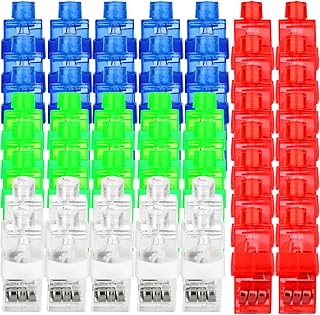 60Pcs LED Finger Lights Flashlights for Kids Glow Party Favors Birthday Christmas Halloween Supplies
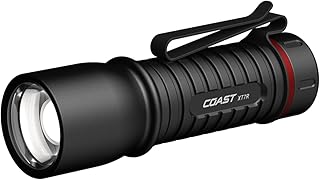 XT7R 1500 Lumen Rechargeable LED Flashlight with Magnetic Mount, Slide Focus, and Pocket Clip, Black
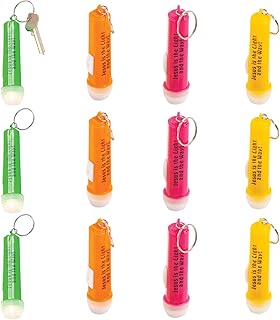 Express Jesus is The Light Flashlight Key Chains (Set of 12) Religious Party Supplies - VBS 2026 Vacation Bible School Supplies/Decor
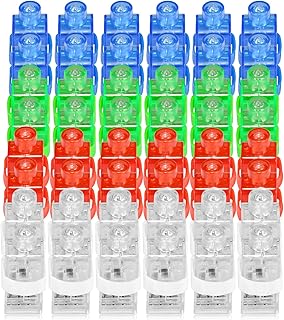 CADE ELECTRONIC Finger Lights- 50Pcs Finger Flashlights for Kids-Bachelorette Party Favors - Party Supplies for Parties Cheering Novelty Toys for Kids, Adult