Why this buying guide matters for B2B flashlight buyers
Flashlights remain an essential product line for industrial suppliers, safety distributors, project contractors and retail networks. Choosing the right models affects inventory turnover, warranty costs and end-user satisfaction. This guide focuses on practical, procurement-focused information to help importers, wholesalers, distributors and contractors specify, source and evaluate flashlight products that meet performance, regulatory and commercial needs.
Key performance specifications to require
Every flashlight specification sheet should clearly state measured performance. Rely on standardized test results rather than marketing claims.
- Lumens: Total light output measured with an integrating sphere—specify measured lumens, not LED chip output.
- Beam distance and peak beam intensity (candela): Indicates how far the beam effectively reaches. Request ANSI/FL1 or ISO-equivalent testing.
- Runtime: Specify runtime to a defined lumen cutoff (eg. until output drops to 10% of initial). Ask for runtime curves if available.
- Color temperature and CRI: Typical Tcs are 2700K–6500K. For worksite and inspection lights, consider CRI 70–90 depending on application.
- Number of modes and mode outputs: List lumen per mode and how modes are controlled (electronic switch, mechanical, memory).
- Battery type and capacity: Detail chemistry (Li-ion 18650/21700, LiFePO4, AA/AAA alkaline or NiMH) and mAh/Ah ratings.
- Charging method: Indicate onboard charging (USB-C, micro-USB, magnetic) and charge time.
- Ingress protection and impact resistance: State IP (eg. IPX4, IP66, IP68) and impact drop rating or IK value.
- Material and finish: Common housings are anodized aluminum or reinforced polymer; note corrosion resistance and coatings.
Standards, safety and certification requirements
Regulatory compliance reduces rejection risk at borders and liability on projects. For global buyers, these are commonly required:
- CE marking and RoHS compliance for EU markets.
- FCC for devices with radio/charging circuitry intended for the U.S.
- UN38.3 testing and proper documentation for lithium battery transport by air.
- UL or ETL safety listings may be required for accessory chargers or AC-adapter supplied units.
- ANSI/FL1-2019 or ISO-equivalent for standardized flashlight performance reporting (lumens, runtime, beam distance, IP).
- MSDS and battery safety datasheets for bulk shipments.
Battery and charging considerations
Battery choice drives user experience, shipping complexity and safety handling requirements.
- Disposable cells (AA/AAA): Lower upfront cost, easier to ship, familiar for retail channels. Consider recommending NiMH rechargeables to end customers.
- Rechargeable lithium-ion (protected 18650/21700): Higher energy density, longer runtime and smaller size. Requires UN38.3 compliance and specific packaging for air freight.
- Charging methods: USB-C fast charge is rapidly becoming standard. Magnetic charging is convenient but may complicate waterproofing—verify IP rating with charger connected and disconnected.
- Battery management: Ask suppliers to document overcharge, over-discharge, short-circuit protection and cell balancing where applicable.
Durability, sealing and field reliability
For industrial and project applications durability is crucial. Specify tests and thresholds:
- Drop testing: Typical claims are 1–2 meters; require supplier drop-test results and packaging protection levels.
- Ingress protection: IP54 for splash protection, IP66–IP68 for full dust and water immersion resistance—match the rating to the intended application (construction, marine, underground).
- Corrosion resistance: For coastal or marine projects request anodized 6061 aluminum or stainless-steel fasteners and salt spray testing if applicable.
- Thermal management: High-output LEDs require adequate heat sinking. Ask for thermal test reports and temperature vs. runtime behavior.
Photometric testing and quality assurance
Insist on objective photometric documentation:
- LM-79 reports for LED modules or complete luminaire photometry where applicable.
- Lumen maintenance data (LM-80 and TM-21 extrapolation) for long-life claims on LED performance.
- IES files for beam pattern, useful for catalog datasheets and lighting design integration.
- Production testing: Require 100% function testing, including switch/driver check, polarity, and charging port test for rechargeable models.
Sourcing, MOQ, lead times and pricing
B2B procurement needs to balance unit price, MOQ and lead time. Consider these points when evaluating suppliers:
- Minimum order quantity: Negotiate tiered pricing based on volumes and production runs. Smaller MOQs may carry higher per-unit costs but reduce inventory risk.
- Lead time and production cadence: Confirm lead times for standard inventory, custom colors, and OEM branding—include buffer for QC and shipping.
- Incoterms and logistics: Clarify FOB, CIF or DDP terms. For lithium battery shipments confirm if air freight restrictions require sea freight or special handling.
- Payment terms: Typical options include T/T deposit and balance on shipment, or L/C for larger orders. Negotiate payment tied to milestones and inspection outcomes.
Packaging, labeling and retail readiness
Small differences in packaging affect retail sell-through and distribution costs:
- Language: Ensure user manuals and labels are provided in target market languages.
- Barcodes and SKUs: Request EAN/UPC barcodes and supplier-friendly SKU structures. Include weight and dimensional data for freight planning.
- Retail packaging: Blister packs, hang-sell cards, and retail boxes vary by channel. Check display fit, barcode placement and UPC placement for POS scanners.
- Bulk and consignment packaging: For wholesalers ask about tray/pallet packing counts and pallet optimization.
OEM/ODM and customization options
Many distributors and importers want branded products. Typical customization options include:
- Laser engraving or pad printing of logos and model numbers.
- Custom colors, finishes and packaging inserts.
- Firmware and mode programming: Custom default modes, lockout features, or SOS patterns.
- Accessory kits: holsters, diffusers, rechargeable battery packs, and mounting options for worksite or tactical use.
Quality control, inspections and acceptance testing
Protect your investment with defined QC steps:
- Pre-production samples: Approve functional prototypes and production samples before full runs.
- In-process inspection: Request periodic audits during production to catch issues early.
- Pre-shipment inspection (PSI): Verify quantity, packaging, labeling and basic function before loading containers.
- Independent lab testing: For critical claims (lumens, IP rating, battery safety) commission third-party tests when necessary.
Logistics, transport of lithium batteries and customs
Shipping flashlights, especially with batteries installed, creates compliance duties.
- Battery installed vs. shipped separately: Shipping with cells installed may be easier for end-users but increases freight restrictions for air transport.
- Classification and HS codes: Verify HS codes for customs declaration and duty rates in target markets.
- Documentation: Include UN test report numbers, MSDS, battery handling labels and any required declarations for the carrier.
Commercial terms and negotiation tips
Approach supplier negotiations with total cost of ownership in mind.
- Negotiate price breaks at defined quantity thresholds and include packaging or tooling amortization in the quote.
- Ask for sample allowances or discounted first runs to test market reception.
- Request warranty terms and after-sales support commitments—clarify RMA process and replacement lead times.
- Include performance penalties in contracts for late delivery or out-of-spec production if volume significance justifies it.
Sustainability and end-of-life considerations
Increasingly, buyers need to consider environmental and circularity practices.
- Recyclable packaging and minimal plastic reduce landfill impact and appeal to large retailers.
- Provide guidance on battery disposal and recycling options for end users, especially for lithium cells.
- Consider longer-lasting battery chemistries or swappable battery designs to extend product life and reduce waste.
Practical buyer checklist
Use this checklist during supplier evaluation and purchase planning:
- Obtain ANSI/FL1 or equivalent photometric report for each model.
- Confirm battery chemistry, capacity and UN38.3 transport documentation.
- Verify IP and impact ratings with supporting test certificates.
- Request LM-79/LM-80 data or independent photometric reports where applicable.
- Agree MOQ, lead time, incoterms and warranty in writing.
- Inspect pre-production samples and run PSI before final acceptance.
- Ensure packaging, manual languages and barcodes meet destination market requirements.
Sample specification template (quick)
- Model name / SKU
- Intended market / use case (industrial, tactical, retail)
- Lumens (measured), beam distance, peak candela
- Runtime to 10% output and included battery type & capacity
- Charging method and charge time
- IP rating and impact/drop rating
- Material, finish and corrosion resistance
- Certifications required (CE, RoHS, UN38.3, UL etc.)
- MOQ, lead time, pricing tiers and payment terms
- Packaging, labeling languages, barcodes and warranty terms
How JECTE supports B2B flashlight sourcing
As a manufacturing and industrial supply partner, JECTE can assist global buyers with specification development, sample management, OEM/ODM customization, certification coordination, and inspection services. For importers and distributors seeking reliable supply, aligning technical requirements up front and conducting staged inspections reduces risk and shortens time-to-market.
Final recommendations
For successful procurement, prioritize verified performance data, regulatory compliance and supplier transparency over lowest unit price. Build acceptance criteria into purchase contracts, require pre-shipment verification, and plan logistics around battery shipping rules. With clear technical specifications, robust QA and good commercial terms, flashlights can be a dependable, profitable product line for industrial and retail channels.
If you need a tailored specification sheet, sample coordination or manufacturer audit support, consider outlining your target applications, volume forecasts and required certifications before engaging suppliers—this speeds negotiations and ensures the product meets market needs.
Related Products
Explore related products from JECTE for your next sourcing project.
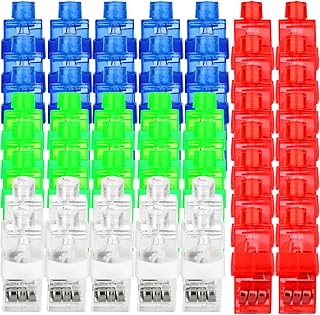 60Pcs LED Finger Lights Flashlights for Kids Glow Party Favors Birthday Christmas Halloween Supplies
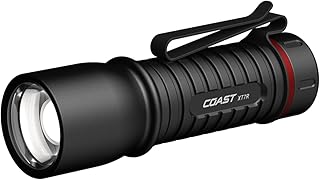 XT7R 1500 Lumen Rechargeable LED Flashlight with Magnetic Mount, Slide Focus, and Pocket Clip, Black
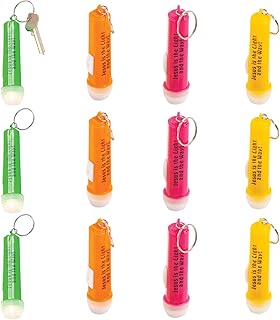 Express Jesus is The Light Flashlight Key Chains (Set of 12) Religious Party Supplies - VBS 2026 Vacation Bible School Supplies/Decor
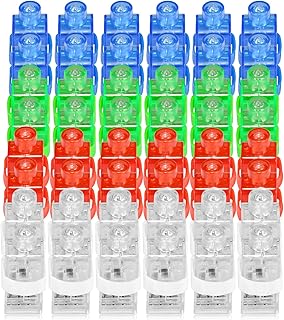 CADE ELECTRONIC Finger Lights- 50Pcs Finger Flashlights for Kids-Bachelorette Party Favors - Party Supplies for Parties Cheering Novelty Toys for Kids, Adult