Introduction: Why this guide matters for B2B flashlight buyers
Flashlights remain an essential product category across multiple markets—retail, industrial safety, utilities, military/tactical supply, and project procurement. For importers, wholesalers, distributors, and contractors, choosing the right flashlight lines affects margins, compliance, customer satisfaction, and returns. This guide provides a practical framework for evaluating flashlight products, vetting manufacturers, managing certifications and logistics, and negotiating terms with suppliers like JECTE, a lighting manufacturer and industrial supply partner.
Define target applications and customer segments
Start by mapping the use cases your customers will need. Different end users require different feature sets:
- Everyday carry (EDC) / retail: compact, lightweight, attractive packaging, brandable, moderate performance (100–500 lumens).
- Tactical / security: high output, rugged construction, tactical tailswitch, strobe mode, bezel for self-defense (500–3000+ lumens).
- Industrial / maintenance: flood beams, long run-times, robust hands-free options (headlamps, clip-on), high IP and IK ratings.
- Emergency / utility: rechargeable, multiple power options, battery backup, long shelf life.
- Project procurement / bulk contracts: standardized performance, consistent supply, certifications, service-level agreements.
Key technical specifications to compare
Focus on objective, standardized metrics to compare models from different suppliers. Insist on data backed by test reports under recognized standards.
Lumens and light output
Lumens quantify total light output. For apples-to-apples comparison, request ANSI FL1 test reports that show initial lumens and lumen maintenance over time. Beware of marketing claims that lack test validation.
Beam pattern and distance
Beam pattern (spot vs flood) affects application. Beam distance, measured in meters under ANSI FL1, helps estimate usable range. Manufacturers should provide candela values and throw distances.
Runtime and battery performance
Runtime depends on output level and battery chemistry. ANSI FL1 runtime tests typically include how long the light runs until output drops to 10% of initial lumens. Ask for runtime curves to understand performance over time.
Battery types and charging
Battery chemistry options include alkaline, NiMH, and lithium-ion (IMR, protected Li-ion). Rechargeable flashlights increasingly use integrated Li-ion batteries with USB-C or proprietary charging. For international shipments, lithium battery regulations (UN 38.3) and transport limitations apply—see the logistics section.
Durability: IP and IK ratings
Ingress protection (IP) ratings per IEC 60529 indicate resistance to dust and water (e.g., IP67, IP68). Impact resistance is measured by IK ratings (IEC 62262). For industrial and outdoor applications, look for IP67+ and IK07 or higher.
Materials and corrosion resistance
Housings are typically aluminum alloy (often anodized) or high-performance polymers. For marine and coastal deployments, salt spray testing and corrosion-resistant finishes are important.
LED and color quality
LED brands (Cree, Nichia, OSRAM, Lumileds) and LED binning affect consistency. Specify color temperature (Kelvin) and CRI if color rendering matters for the application. Typical flashlights use 4000K–6500K; CRI is usually secondary but may matter for inspection lights.
Switch type and user interface
Switch preferences vary by market: tailcap clickers for tactical users, side switches for general use, and multi-mode electronic controls for flexible output. Consider lockout functions to prevent accidental activation during transport.
Standards, certifications, and compliance
Certifications and test reports reduce risk and are often contract requirements for distributors and contractors.
- ANSI FL1: Provides standardized testing for lumens, runtime, peak beam intensity, water resistance, and impact resistance.
- IEC 60529 (IP): Defines ingress protection levels.
- IEC 62262 (IK): Defines mechanical impact resistance.
- UN 38.3: Mandatory for transportation of lithium batteries—requires testing and documentation for air freight.
- RoHS, REACH: Chemical compliance for EU and other markets.
- CE, FCC, UL: Regional safety and EMC marks may be necessary depending on customer requirements and region.
Quality control: what to request from suppliers
Implement clear QC steps in contracts. Standard inspections include:
- Pre-production inspection (PPI): Approve materials, components, tooling, and first prototypes.
- During production inspection (DPI): Sample inspections mid-run for assembly quality and function.
- Pre-shipment inspection (PSI): Verify final quantity, packaging, labeling, and random functional testing.
- Independent lab testing: Photometric tests to ANSI FL1, drop tests, IP tests, and battery safety tests.
Typical test sampling levels follow AQL standards (e.g., AQL 2.5). Require suppliers to provide serial numbers/batch codes for traceability.
Logistics and shipping considerations
Batteries drive many shipping requirements:
- Lithium-ion batteries are regulated in air transport; UN 38.3 certification and packaging labels are required.
- For ocean freight, validate container packing, moisture protection, and correct documentation.
- Consider using FOB, CIF, or DDP terms depending on your import capabilities and preference for risk transfer.
- Plan for lead times on components—LED chips and battery supply can fluctuate. Ask suppliers for BOM lead-time transparency.
Packaging, barcoding, and retail readiness
For wholesalers and retailers, packaging affects sell-through. Discuss options:
- Bulk cartons vs retail-ready packaging.
- UPC/EAN barcodes, multilingual inserts, and user manuals with safety warnings.
- Sustainable packaging options and compliance with extended producer responsibility (EPR) requirements.
Customization and private label options
Most manufacturers offer customization: logo printing, color finishes, custom accessories (holsters, lanyards), firmware/mode programming, and OEM packaging. Key negotiation points:
- Minimum order quantities (MOQs) for branding and new tooling.
- Lead times and sample policy for custom units.
- Tooling costs, artwork approval processes, and rights to design revisions.
Pricing strategy and commercial terms
When comparing quotes, normalize them by specifying identical test conditions and packaging. Ask suppliers to break out costs for:
- Unit price by quantity tiers.
- Tooling and setup charges.
- Testing and certification fees.
- Incoterms, payment terms, and penalties for late delivery or nonconformity.
Warranty, returns, and after-sales support
Define warranty terms in the contract: warranty period, failure rates (acceptable percentage), RMA process, and replacement vs refund policies. Ensure suppliers can provide spare parts and technical support for product lifecycles—important for project contractors and maintenance contracts.
Supplier selection checklist: questions to ask
- Can you provide ANSI FL1 photometric reports, IP/IK test certificates, and battery UN 38.3 documentation?
- What are your MOQs for standard models and for private-label/custom units?
- What sample policy and lead times do you offer for first orders and repeat orders?
- Can you support retail-ready packaging, multilingual labeling, and barcode provisioning?
- What QC procedures and third-party inspection options do you accept?
- What warranty terms, repair services, and spare-part availability do you commit to?
- How do you handle product traceability and batch numbering?
Sample inspection checklist for incoming batches
- Physical inspection: finishes, machining, threads, o-rings, anodizing consistency.
- Functional tests: on/off, mode switching, strobe function, charging circuits.
- Photometric spot checks: lumen count, beam shape, color temperature.
- Battery safety: voltage, over-discharge protection, charging cutoffs.
- Packing check: boxes per carton, correct inserts, user manuals, warning labels.
Case study: specifying a flashlight line for industrial contractors
For contractors specifying lights for municipal infrastructure work, consider a mid- to high-output rechargeable worklight line with the following minimum specs:
- Output: 800–2000 lumens with selectable low/med/high modes.
- Battery: replaceable protected 18650 or integrated Li-ion with USB-C fast charging.
- Runtime: at least 3–8 hours on medium output; ANSI FL1 backed runtime data.
- Ingress: IP67 or better; impact: IK07+.
- Construction: anodized aluminum body or reinforced polymer; salt spray tested for coastal use.
- Certifications: UN 38.3 for batteries, RoHS/REACH, CE where applicable.
Selecting JECTE as a manufacturing partner
When evaluating manufacturers like JECTE, prioritize transparency and supply chain capability. Key service elements to request:
- Sample production and ANSI FL1 testing before bulk orders.
- Detailed BOM and lead-time visibility for components (LEDs, drivers, batteries).
- Support for branding, artwork, and packaging options with defined MOQs.
- Agreements on quality assurance, inspection points, and remedies for defects.
Final decision framework
Balance product fit, compliance, price, and supplier reliability. Create a scorecard that weights:
- Technical fit (performance vs requirements)
- Compliance (test reports and certifications)
- Supplier capability (capacity, lead times, QC)
- Commercial terms (price, MOQ, payment, shipping)
- After-sales support (warranty, spare parts)
Conclusion: next steps for buyers
Document your technical and commercial requirements, request sample units and test reports, and set up a phased approval process (PPI, DPI, PSI). For large or repeat programs, negotiate service-level agreements and supply security measures such as safety stocks and forward component sourcing. Working with a manufacturing partner that offers testing, customization, and supply-chain transparency reduces risk and shortens time-to-market for your flashlight programs.
If you want a checklist tailored to a specific market segment (retail EDC, tactical, industrial worklights, or emergency preparedness kits), request a downloadable specification template and sample policy from your supplier to standardize sourcing and testing.
Related Products
Explore related products from JECTE for your next sourcing project.
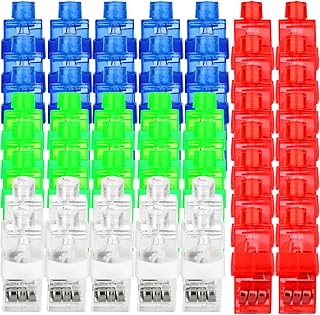 60Pcs LED Finger Lights Flashlights for Kids Glow Party Favors Birthday Christmas Halloween Supplies
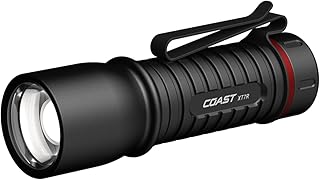 XT7R 1500 Lumen Rechargeable LED Flashlight with Magnetic Mount, Slide Focus, and Pocket Clip, Black
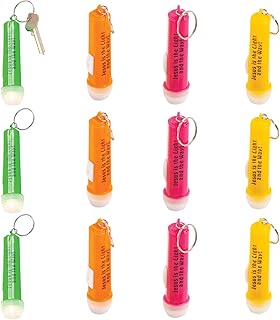 Express Jesus is The Light Flashlight Key Chains (Set of 12) Religious Party Supplies - VBS 2026 Vacation Bible School Supplies/Decor
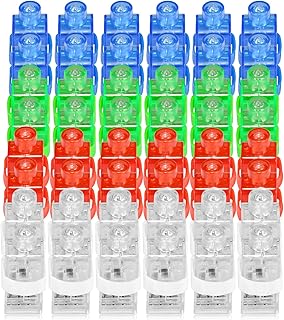 CADE ELECTRONIC Finger Lights- 50Pcs Finger Flashlights for Kids-Bachelorette Party Favors - Party Supplies for Parties Cheering Novelty Toys for Kids, Adult