Introduction: Why this guide matters for B2B buyers
Flashlights remain a core product category for industrial supply chains, emergency preparedness, and professional toolkits. For importers, wholesalers, distributors, and project contractors, selecting the right flashlight lines affects margins, warranty costs, and customer satisfaction. This guide focuses on practical, actionable criteria to evaluate flashlight models, negotiate manufacturing and supply terms, and manage compliance and after-sales service when sourcing at scale.
Key flashlight types and commercial applications
Understanding the most common flashlight types helps you match products to buyer segments and projects.
- Handheld tactical flashlights – Durable, high-lumen units for security, law enforcement, and industrial use. Features often include strobe modes, crenelated bezels, and tail switches.
- Work lights and flood flashlights – Wider beam angle and stable stand or hook for construction, maintenance, and automotive repair.
- Headlamps and hands-free lights – Helmet-compatible for mining, utilities, and outdoor projects where hands-free lighting is essential.
- Compact EDC (Everyday Carry) lights – Small, pocketable lights for retail and consumer markets; good margins and high turnover.
- Rechargeable USB-C flashlights – Modern convenience for general consumers and professionals; increasingly expected by end users.
- Explosion-proof and intrinsically safe flashlights – Required for hazardous environments (oil & gas, chemical plants); demand strict certification.
Core technical specifications to evaluate
Focus on the specifications that end users notice and that affect performance claims, warranty, and returns.
- Lumen output: Measure of total light. Suppliers should provide lumen figures measured according to ANSI/NEMA FL 1 standards.
- Beam distance: How far the beam reaches; important for security and search tasks. Ensure testing reports reference ANSI FL 1 methodology.
- Runtime: Time before light drops to a usable level. Distinguish between high-mode runtime and low-mode runtime.
- Battery type: Alkaline, NiMH, Li-ion (18650, 21700), or integrated LiPo. Rechargeables reduce lifetime cost for professional buyers but bring shipping and compliance issues.
- Charging method: USB-C is preferable for modern fleets. Look for integrated charging, charging indicators, and protections in the battery management system (BMS).
- Durability specs: Impact resistance (meter drop test), body material (e.g., 6061-T6 aluminum), and finish (Type III hard-anodized is common).
- Ingress protection (IP) rating: IPX4 minimum for splash resistance; IP67 or IP68 for dust/water submersion resistance when used outdoors or in wet environments.
- Operating temperature: Critical for cold-weather operations and industrial environments.
Regulatory and safety compliance
Regulatory adherence impacts market access and shipping requirements for battery-powered flashlights.
- Certifications: CE and RoHS are baseline for Europe; FCC for radio-emitting models. For hazardous areas, require ATEX and IECEx certification.
- Battery transport: Lithium-ion cells are subject to UN38.3 testing and special transport regulations. Suppliers must provide test reports and declaration of dangerous goods when shipping by air.
- WEEE and battery recycling: EU countries require proper disposal labeling and producer responsibilities. Verify supplier compliance for markets served.
- Labeling and documentation: Technical datasheets, user manuals in required languages, and safety warnings tailored to destination markets.
Quality assurance and testing to request
Demand documented testing and inspection protocols to avoid costly returns.
- Photometric testing: Request integrating sphere or goniophotometer reports showing lumen output, beam profile, and candela.
- Life-cycle testing: LED module and driver endurance tests, battery cycle life testing, and thermal management validation.
- Environmental tests: IP testing, salt spray for coastal markets, and low/high temperature operating tests for extreme climates.
- Pre-shipment inspection (PSI): Visual, functional, and random sampling. Define acceptable AQL levels and include a sample size table in the purchase contract.
Sourcing strategy: OEM, ODM, or white-label
Choose the model that fits your business model and margin goals.
- OEM (Original Equipment Manufacturer): You provide full specifications and branding. Good for unique product differentiation but requires higher tooling and design investment.
- ODM (Original Design Manufacturer): Modify existing designs with new branding and minor feature changes. Faster time-to-market and lower setup cost.
- White-label: Off-the-shelf products branded for resale. Lowest cost and fastest, but limited exclusivity.
Customization and private label considerations
Private labeling can improve margins and customer loyalty, but manage complexity carefully.
- Branding options: Laser engraving, pad printing, custom colors, and packaging inserts.
- Functional customizations: Custom beam patterns, additional modes, or integrated power banks for specialty markets.
- Minimum order quantities (MOQ): Customization typically increases MOQ. Expect OEM/ODM MOQ ranges from several hundred to a few thousand units depending on the feature set.
- Tooling and lead times: CNC body modifications and new molds add setup time. Plan 4–12 weeks for tooling and first sample approval before mass production.
Pricing, margins, and cost drivers
Understand what affects unit costs so you can negotiate effectively.
- Cost drivers: LED and driver quality, battery type, anodizing/finish, certified intrinsically safe designs, packaging, and documentation in multiple languages.
- Volume discounts: Higher order volumes unlock better pricing but require inventory management. Consider tiered pricing agreements with suppliers.
- Blanket purchase orders: Negotiate rolling contracts with fixed pricing bands and replenishment schedules to secure stable supply.
Packaging, labeling, and retail requirements
Packaging must protect the product in transit and meet retail expectations for branded SKUs.
- Retail vs bulk packaging: Retail-ready packaging improves shelf appeal; bulk cartons reduce per-unit costs. Consider a mix depending on end-channel.
- Barcodes and compliance: UPC/EAN barcodes, customs declarations, and language requirements for manuals and safety labels.
- Presentation: Window boxes, hang tags, and inserts are valuable for consumer channels. For professional channels, include technical datasheets and spare-part lists.
Logistics, lead times, and inventory planning
Optimizing logistics reduces stockouts and rush freight costs.
- Typical lead times: Standard models may ship in 15–45 days; customized products typically require 45–90 days. Plan buffer stock for peak seasons.
- Freight and duties: Evaluate sea vs air freight trade-offs. Include duties, import VAT, and local compliance costs in landed cost calculations.
- Safety stock: Maintain safety stock levels based on lead time variability and sales forecasts to avoid backorders.
After-sales support and warranty
After-sales service drives customer trust and repeat business.
- Warranty terms: Typical warranty periods range from 1 to 5 years depending on product class. Clarify repair vs replacement policies.
- Spare parts and repairability: Ensure availability of drivers, lenses, and battery replacements. Consider offering repair kits to large customers.
- Technical support and training: Provide product training, installation guides, and troubleshooting resources for contractors and distributors.
Inspection checklist for incoming shipments
Use a standard checklist to speed receiving and reduce dispute risk.
- Verify quantities and SKU match packing list.
- Check visual condition of cartons and seek damage evidence.
- Random functional test of operational modes, charging, and switches.
- Confirm battery markings, UN38.3 documentation, and safety labels.
- Review accompanying certificates and manuals for destination market languages.
Negotiation tips and partnership best practices
Build supplier relationships that balance cost efficiency and product quality.
- Request sample testing and factory audit reports before signing long-term contracts.
- Negotiate payment terms that align with production milestones—e.g., deposit, pre-shipment inspection release, final payment on BL.
- Specify quality gates and AQL acceptance levels in contracts to reduce disputes.
- Develop a roadmap with suppliers for product refresh cycles and certification updates.
How JECTE supports large-scale flashlight procurement
JECTE works with global buyers—importers, wholesalers, distributors, and contractors—to deliver compliant, cost-effective flashlight solutions. We provide ODM/OEM capabilities, photometric and environmental testing, UN38.3 battery support, and private-label packaging. JECTE offers scalable MOQ options, flexible lead times, and after-sales service agreements tailored to commercial channels.
Final checklist: What to confirm before placing an order
- Model specification sheet (lumens, runtime, beam distance, IP rating).
- Battery type and shipping documentation (UN38.3 for Li-ion).
- Certifications required for target markets (CE, RoHS, ATEX, IECEx).
- Sample approval and photometric test reports.
- MOQ, unit price, and volume discount tiers.
- Packaging type and barcode/labeling requirements.
- Warranty terms and spare-part availability.
- Lead time, logistics plan, and incoterms.
Conclusion
Buying flashlights for commercial channels requires attention to technical performance, regulatory compliance, and supply-chain details. By prioritizing verified test data, clear contractual quality gates, and supplier capabilities for certification and logistics, you can reduce risk and improve margins. JECTE provides manufacturing expertise, testing, and tailored procurement support to help global buyers source flashlights that meet end-user expectations and regulatory demands.
Related Products
Explore related products from JECTE for your next sourcing project.
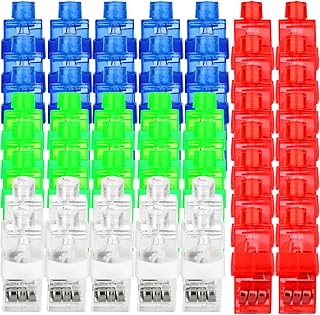 60Pcs LED Finger Lights Flashlights for Kids Glow Party Favors Birthday Christmas Halloween Supplies
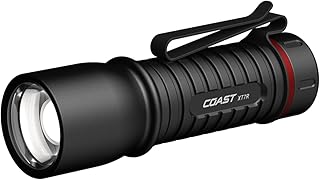 XT7R 1500 Lumen Rechargeable LED Flashlight with Magnetic Mount, Slide Focus, and Pocket Clip, Black
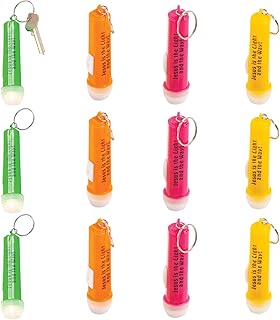 Express Jesus is The Light Flashlight Key Chains (Set of 12) Religious Party Supplies - VBS 2026 Vacation Bible School Supplies/Decor
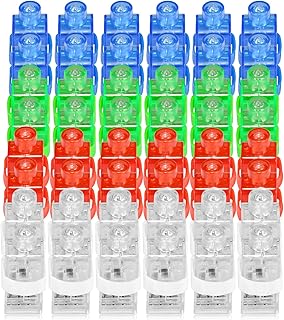 CADE ELECTRONIC Finger Lights- 50Pcs Finger Flashlights for Kids-Bachelorette Party Favors - Party Supplies for Parties Cheering Novelty Toys for Kids, Adult