Why this guide matters for lighting buyers
Flashlights are a fast-moving product category across industrial, retail and project markets. Successful procurement requires more than price comparison: buyers must match technical specifications, compliance, supply chain constraints and after-sales support to their target markets. This guide equips importers, wholesalers, distributors and project contractors with the practical checklist and questions to evaluate flashlight suppliers and product lines effectively.
Key flashlight specifications buyers must insist on
When evaluating flashlights for purchase or private label production, specify objective performance metrics and test standards rather than vague promises. Insist on data that follows recognized testing methods.
- Light output (lumens) — measured per ANSI/NEMA FL1 standard; request measured output for each mode.
- Beam distance and peak beam intensity — ANSI FL1 specifies measurement conditions; useful for duty-specific selection (search, inspection, patrol).
- Runtime — report runtime per mode and the test conditions (battery type, ambient temperature).
- Battery type and capacity — AA, AAA, CR123A, 18650, 21700 Li-ion, or integrated pack; specify chemistry and mAh.
- Charging method — USB-A, USB-C, proprietary magnetic, or charging dock; include charge time and cable type.
- Ingress protection — IP rating per IEC 60529 (e.g., IPX7, IP68) to match intended environments.
- Impact resistance — specify drop height (meters) or compliance to ANSI drop tests.
- Operating temperature range — important for industrial, cold-chain, and outdoor projects.
- Size, weight, and form factor — handheld, compact, tactical, headlamp, penlight, or lantern.
- Material and finish — aluminum alloy grade (e.g., 6061-T6), polycarbonate, or polymer; surface treatments like hard-anodized (Type III).
- Switch type and mode behavior — tail switch, side switch, momentary, lockout, strobe, SOS; request mode memory behavior details.
- Certifications — CE, RoHS, REACH where applicable; battery-specific UN38.3; transport compliance for lithium cells (IATA/IMDG).
Flashlight types and typical buyer use cases
Selecting the right form factor aligns product spec with end-use and margin expectations.
- Handheld/tactical flashlights — high-performance beams, often used by security, law enforcement, and industrial maintenance; emphasize durability, high-lumen output, and thermal management.
- Compact EDC (everyday carry) — keychain or pocket-sized lights for retail and promotional markets; prioritize compact battery solutions and USB-C charging.
- Headlamps — hands-free lighting for contractors, miners, and outdoor markets; important specs: beam profile, strap durability, and battery runtime.
- Penlights and inspection lights — narrow-beam, lower-lumen units for medical, automotive, and inspection work; compact and affordable for bulk purchase.
- Lanterns and area lights — for emergency kits, camping, and work-site illumination; focus on runtime, rechargeable options, and multiple output modes.
Batteries, charging and logistics considerations
Battery chemistry drives performance, cost and logistics. Choose battery formats and charging solutions that match buyer needs and transport rules.
- Primary cells (AA/AAA/CR123A) — familiar and easy to ship; good for low-cost markets. CR123A offers high energy for tactical lights but is a lithium primary, so check transport rules.
- Rechargeable li-ion (18650, 21700) — higher energy density and preferred for high-performance flashlights; requires compliance with UN38.3 for air transport and careful packaging.
- Integrated battery packs — sealed systems with built-in charging; easier for end users but replaceability is limited.
- Charging options — USB-C fast charging is becoming the default. Magnetic chargers and docking systems are convenient for work crews but add cost and complexity.
- Logistics and transport — lithium batteries are regulated for air and sea freight (IATA DGR, IMDG). Plan packaging, labeling and documentation early to avoid delays and unexpected costs.
Durability, safety and compliance
Durability and safety influence both product acceptance and warranty costs. Buyers should require clear test reports and certifications before bulk purchase.
- ANSI/NEMA FL1 — reliable reference for lumens, runtime, beam distance, peak beam intensity, and resistance claims. Ask suppliers for FL1 test reports.
- Ingress protection (IP) — choose IPX4 for splash resistance, IPX7 for temporary submersion, or IP68 for continuous immersion. Provide intended use-case to supplier so they can recommend a rating.
- Drop and impact testing — specify minimum drop height and request test evidence (e.g., 1m, 2m, 3m tests).
- Battery safety — require UN38.3 test reports for lithium batteries and overcharge/overdischarge protection circuits for rechargeable packs.
- Electromagnetic safety and emissions — depending on market, CE/EMC and national product safety standards may apply.
Custom branding, packaging and OEM/ODM options
For wholesalers and distributors, private label can boost margins. Discuss these items with manufacturers early in the RFQ phase.
- Logo printing and color options — ask about minimum order quantities (MOQs) for color tooling and laser engraving vs pad printing costs.
- Printed packaging and inserts — custom packaging increases perceived value but also unit cost and lead time.
- Software and firmware customization — mode sequences, brightness levels, and UI may be configurable for OEM runs.
- Accessory bundles — holsters, lanyards, spare O-rings, chargers and batteries increase average order value; confirm MOQ and packaging impacts.
Pricing drivers and MOQ guidance
Price depends on specifications, materials and supply chain conditions. Understand which features drive cost so you can trade performance for price where appropriate.
- High lumens and premium thermal management require better LED emitters and larger batteries — higher cost.
- Rechargeable systems and USB-C charging add BOM costs and testing overhead.
- Metallurgy and surface treatment — hard-anodized aluminum and CNC machining increase unit price versus polymer housings.
- Certifications and testing — third-party tests (ANSI FL1, UN38.3, IP) incur one-time and per-batch costs.
- MOQ — typical MOQs vary: commodity penlights may be 500–2,000 units, while customized tactical lights often start at 1,000–5,000 units depending on branding and packaging.
Sample evaluation checklist for procurement teams
Before approving mass production, evaluate physical samples against a standard checklist. Use this list during factory inspections and lab testing.
- Verify measured lumens and runtime per mode with independent testing or supplier FL1 report.
- Test battery charging time and charging port durability (number of cycles).
- Check IP sealing and conduct a water ingress test appropriate to the claimed rating.
- Perform drop tests from agreed heights and inspect for mechanical failures.
- Review packaging for transit protection and regulatory labeling (battery warnings, CE marks where applicable).
- Confirm markings, engraving and color consistency on sample units.
- Test mode switching and lockout features to avoid accidental activation in transit.
Procurement checklist: specifications to include in RFQs
An RFQ that omits technical details invites inconsistent bids. Include the following to get comparable quotes:
- Product form factor and target use-case (tactical, EDC, headlamp, lantern).
- Required lumen levels and runtime per mode, and ANSI FL1 compliance requirement.
- Battery chemistry and capacity; whether batteries are included or sold separately.
- Charging method and expected charge time (if rechargeable).
- IP rating and minimum drop height for impact resistance.
- Materials and surface finish, weight target and dimensions.
- Certifications required for your target market (CE, RoHS, UN38.3, FCC, local safety approvals).
- Packing requirements, label language, and accessory list.
- MOQ, lead time, pricing tiers and incoterms.
- Warranty period and RMA process expectations.
Regulatory and transport issues for battery-powered products
Batteries introduce regulatory complexity. Buyers must be proactive to avoid shipment delays and fines.
- UN38.3 — mandatory testing for lithium cells and batteries for international air transport. Request the UN38.3 report and manufacturer details.
- IATA DGR and IMDG — airlines and sea carriers have strict packing, labeling and documentation rules for lithium batteries and devices containing them.
- Battery marking and documentation — ensure proper handling labels, State of Charge (SoC) limitations for batteries shipped by air, and manufacturer declarations are provided.
- Country-specific rules — some countries require local product safety approvals or additional documentation for electronic devices. Map these early for project-based procurements.
After-sales, warranty and spare parts
Warranty terms influence total cost of ownership and brand reputation. Negotiate clear SLAs and spare parts availability up front.
- Standard warranty length (typically 1–3 years) and what is covered (electronics, housing, LED).
- Spare parts availability — batteries, chargers, O-rings and lenses should be available for the expected product lifecycle.
- Repair vs replacement policy — does the supplier support repair centers or provide replacement units?
- Return Material Authorization (RMA) process — required documentation, turnaround times and costs.
Why partner with an experienced manufacturer like JECTE
As a lighting manufacturer and industrial supply partner, JECTE offers integrated sourcing, compliance support and OEM/ODM services tailored to global buyers. Key advantages to look for in a partner:
- End-to-end support — from engineering and prototyping to testing, certification and logistics.
- Quality control — in-house testing per ANSI FL1 and assistance obtaining required third-party certifications.
- Sourcing flexibility — multiple material and battery options to meet price and performance targets.
- Packaging and branding — options for retail-ready packaging, bulk packaging for project work, and custom labeling.
- Regulatory logistics — experience with UN38.3, IATA DGR and customs documentation reduces shipping risk for lithium-powered products.
Final recommendations for buyers
To reduce risk and maximize margin, follow a structured procurement process: define end-use requirements, build a technical RFQ with ANSI FL1 and battery rules, request test reports and samples, and evaluate suppliers on quality systems and logistics experience. Prioritize partners who can demonstrate compliance documentation, consistent quality control and transparent lead times. For customized or project-based orders, early alignment on MOQ, tooling and certification timelines will prevent surprises.
If you are preparing a sourcing plan or RFQ for flashlights, JECTE can assist with specification templates, prototype runs and certification support tailored to your target markets. Contact a sourcing specialist to discuss product options, MOQs and timelines aligned to your distribution strategy.
Related Products
Explore related products from JECTE for your next sourcing project.
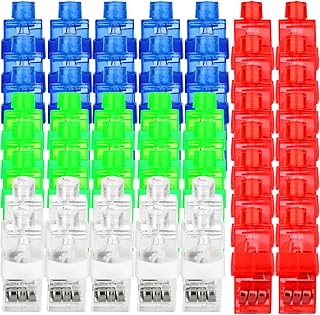 60Pcs LED Finger Lights Flashlights for Kids Glow Party Favors Birthday Christmas Halloween Supplies
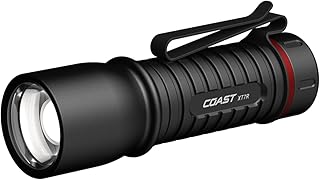 XT7R 1500 Lumen Rechargeable LED Flashlight with Magnetic Mount, Slide Focus, and Pocket Clip, Black
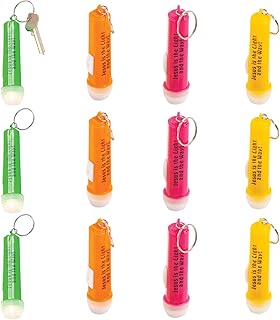 Express Jesus is The Light Flashlight Key Chains (Set of 12) Religious Party Supplies - VBS 2026 Vacation Bible School Supplies/Decor
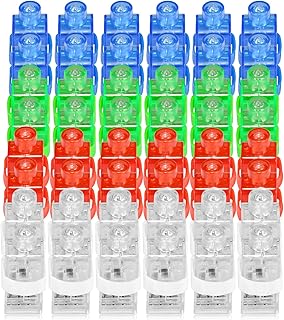 CADE ELECTRONIC Finger Lights- 50Pcs Finger Flashlights for Kids-Bachelorette Party Favors - Party Supplies for Parties Cheering Novelty Toys for Kids, Adult