Overview: Why this guide matters for buyers
Flashlights remain an essential product line for lighting distributors, industrial suppliers and project contractors. Demand spans consumer, industrial, emergency response and hazardous-location markets. For buyers, selecting the right flashlight requires evaluating optics, LEDs, power systems, ingress protection, certifications and supply-chain constraints—especially when importing or specifying for projects. This guide distills the technical and commercial considerations you need to make confident purchasing decisions. JECTE is a manufacturing partner experienced in supplying global buyers with OEM/ODM flashlights and industrial lighting solutions.
Key technical specifications to evaluate
Before comparing suppliers, define target performance and commercial parameters. The most important technical specs are:
- Luminous output (lumens) — overall light output measured in lumens; choose ranges aligned to the application (e.g., 100–500 lm for general-purpose, 1,000–3,000+ lm for tactical/search).
- Beam distance and candela — how far and how focused the beam is; candela and beam distance complement lumen ratings for task-specific needs.
- Runtime and battery chemistry — runtime at each mode, and the battery type (alkaline, NiMH, Li-ion 18650/21700, CR123A).
- Optics and beam type — flooders (wide beam), spotters (long throw) or combo designs using reflectors, TIR lenses, or multiple optics.
- Durability and ingress protection — impact resistance (drop rating in meters) and IP rating (IPX4 splash to IP68 dust/waterproof).
- Operating temperature and thermal management — crucial for high-output LEDs to prevent thermal throttling and ensure lifespan.
- Size, weight and mounting options — pocket, handheld, helmet/rail mount compatibility for industrial and tactical use.
- Modes and user interface — number of output levels, mode memory, strobe/SOS and lockout function.
- Certification and testing — CE, RoHS, UN38.3 for lithium batteries, ATEX/IECEx for hazardous locations, UL where required.
Types of flashlights and typical buyer use-cases
- Everyday carry (EDC): Compact, 100–1,000 lm, USB rechargeable, popular for retail and distribution due to broad consumer appeal.
- Work/inspection lights: Flooders or headlamps with magnetic bases, 200–2,000 lm, long runtimes for technicians and contractors.
- Tactical/searchlights: High output (1,000–5,000+ lm), long-throw beams, rugged housings for security, law enforcement and SAR teams.
- Intrinsically safe/hazardous location lights: Certified to ATEX/IECEx with flameproof or non-sparking designs for oil, gas, mining and petrochemical projects.
- Expandable modular systems: Flashlights with interchangeable heads, battery packs or vehicle charging options used in fleet and industrial toolkits.
LEDs, drivers and optics — performance foundations
LED selection and driver design determine efficiency, color rendering and thermal behavior. Buyers should evaluate:
- LED brand and model (e.g., Cree, Nichia, Osram) — each has different efficacy, color temperature and lifetime characteristics.
- Driver type — constant-current regulated drivers maintain stable output; PWM-driven units can show flicker and reduced efficiency at low outputs.
- Color temperature and CRI — typically 2700K–6500K; CRI >70 is common, CRI >90 for inspection tasks requiring accurate color rendering.
- Optics — reflectors produce focused beams; TIR lenses provide tight control and uniformity for close tasks.
Battery choices, charging and logistics
Battery chemistry impacts runtime, cost, serviceability and shipping compliance. Consider the following:
- Primary cells (alkaline, CR123A): low cost, easy to ship, limited shelf life and variable performance at cold temperatures.
- Rechargeable NiMH (AA/AAA): safe, widely accepted for consumer/retail products, decent cycle life but lower energy density than Li-ion.
- Rechargeable Li-ion (18650, 21700, integrated battery packs): highest energy density and runtime; often USB-C or magnetic charging. Require UN38.3 testing and special shipping handling as lithium batteries are regulated as dangerous goods.
- Integrated charging — USB-C fast charge is preferred for modern buyers; check for battery management features (overcharge, over-discharge and short-circuit protection).
- Transport considerations — Li-ion cells and batteries packed with equipment (UN 3481) or stand-alone (UN 3480) require documentation, labeling and approved packers for air freight. This affects landed cost and lead times.
Mechanical design, materials and durability
Material selection influences weight, heat dissipation and perceived value:
- Aluminum alloys (6061-T6 or 6063) with hard-anodized finishes are common for durable, heat-managed housings.
- Engineering plastics (PC, ABS) reduce cost and weight; useful for consumer EDC or flood lamps but less thermally efficient.
- Seals and gaskets — silicone or fluorocarbon gaskets improve IP ratings and chemical resistance.
- Impact resistance — specify drop test heights (commonly 1–2 m for consumer, 3–5 m for tactical/industrial).
Certifications, testing and quality assurance
Certifications both protect users and open markets. Prioritize the tests that align with your target regions and applications:
- Safety and EMC — CE (EU), FCC (US), and regional marks where applicable.
- Environmental — RoHS compliance for hazardous substances in electronics.
- Battery transport — UN38.3 testing for Li-ion cells and batteries, MSDS and packing certificates for shipping.
- Hazardous zone approvals — ATEX and IECEx for intrinsically safe or explosion-proof flashlights.
- Photometric testing — LM-79 (IES) reports and lumen maintenance (L70) data provide objective light performance metrics.
- In-house and third-party QC — routine sample inspection, aging/stress tests and firmware verification if electronics are involved.
Customization, OEM/ODM and branding
Many distributors and importers request OEM or ODM flashlights. Typical customization options include:
- Branding — silk-screened logos, laser engraving or custom labels.
- Color and finish — anodizing colors, textured grips and tailored packaging.
- Electronics tweaks — tuned output modes, custom firmware, added features like power indicators or Bluetooth connectivity.
- Accessory integration — holsters, mounts, magnetic bases, vehicle chargers and spare battery kits.
Discuss MOQ, tooling fees, lead times and prototype validation with the manufacturer. JECTE offers flexible OEM/ODM workflows, engineering support for custom housings and thermal validation services.
Commercial considerations: pricing, MOQ, lead time and logistics
Flashlight unit cost is influenced by components, certification costs, packaging and order volume. Key buyer concerns:
- MOQ — small run capabilities help test new SKUs; larger volumes secure lower unit pricing. Typical MOQs vary by model and customization from a few hundred to several thousand units.
- Lead times — factor prototype development (2–6 weeks), tooling (4–8 weeks if needed) and production (4–12 weeks). Certifications and battery logistics can extend timelines.
- Packaging and labeling — retail-ready packaging, multilingual manuals and barcode/UPC requirements for distribution channels.
- Shipping and duties — calculate the impact of lithium battery restrictions (air vs sea), Incoterms, and customs classifications (HS codes) on total landed cost.
- After-sales — warranty terms, spare parts availability and RMA processes impact customer satisfaction and can differentiate suppliers.
Procurement checklist for flashlight purchases
Use this checklist when evaluating suppliers or specifying products for a project:
- Define target application and environment (indoor, outdoor, hazardous, marine).
- Specify minimum lumen output and desired beam type (flood/spot/combo) with candela/beam distance targets.
- Choose battery chemistry and specify charging method plus UN38.3 documentation requirements.
- Set required IP and impact ratings and operating temperature range.
- List mandatory certifications (CE, RoHS, ATEX/IECEx, UL) and photometric testing needs (LM-79 reports).
- Decide on customization: logo, color, packaging and accessories; request MOQ and tooling fees.
- Ask for sample units for optical, thermal and drop testing before mass production.
- Confirm warranty, spare parts, firmware update policy and RMA flow.
- Review shipping plan for batteries (air/sea), labeling and customs documentation.
- Obtain a clear delivery schedule, payment terms and penalty clauses for major project contracts.
Sample technical spec template to request from suppliers
- Model name/number
- LED type and manufacturer
- Lumen output (high/med/low) and test method
- Beam distance (m) and peak candela
- Runtime by mode (measured to 10% of initial output)
- Battery type, capacity (mAh), charge method and UN38.3 status
- Ingress protection (IP rating) and impact rating (drop height)
- Materials and finish (housing, lens type)
- Operating temperature range
- Certifications and test reports (LM-79, CE, RoHS, ATEX/IECEx, UL)
- Dimensions, weight and mounting options
- Warranty terms and spare parts availability
Risk management and common pitfalls
Watch for these frequent issues that can impact project schedules and costs:
- Underestimating battery compliance — lack of UN38.3 or incorrect packing can cause shipment delays and fines.
- Inadequate thermal design — high-output LEDs without proper heat sinking will dim quickly and fail prematurely.
- Unclear warranty terms — ambiguous RMA processes increase post-sale service costs.
- Skipping photometric validation — lumen claims without LM-79 data can result in returns and reputational damage.
- Poor firmware documentation — custom UI changes without clear user guides lead to customer complaints.
Why partner with a manufacturer like JECTE
JECTE combines manufacturing capabilities, engineering support and global supply-chain experience tailored to importers, wholesalers and contractors. Benefits include:
- OEM/ODM flexibility for branding and product differentiation.
- Design-for-manufacture expertise including thermal modeling, driver tuning and battery integration.
- Support for required certifications and testing, including UN38.3 and hazardous-location approvals.
- Assistance with packaging, labeling and logistics to minimize customs and dangerous-goods complications.
- After-sales support, spare parts sourcing and clear warranty policies to protect your customers.
Next steps for buyers
To move from specification to supply: prepare your procurement checklist and obtain samples for validation. Request detailed technical data sheets, LM-79 photometric reports and UN38.3 battery documentation. Negotiate MOQ, lead times and warranty terms, and plan for testing and certification timelines as part of the project schedule. If you need a manufacturing partner, discuss your desired features, projected volumes and markets with JECTE to evaluate OEM/ODM options and receive a tailored proposal.
Contact JECTE
For support sourcing robust, certified flashlights for distribution or project deployment, JECTE provides engineering, testing and manufacturing services. Provide your target specifications and volumes to start sample and costing discussions.
Related Products
Explore related products from JECTE for your next sourcing project.
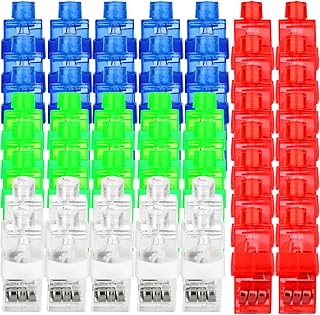 60Pcs LED Finger Lights Flashlights for Kids Glow Party Favors Birthday Christmas Halloween Supplies
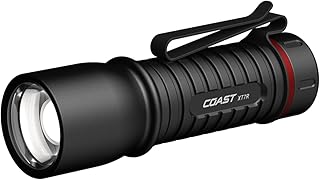 XT7R 1500 Lumen Rechargeable LED Flashlight with Magnetic Mount, Slide Focus, and Pocket Clip, Black
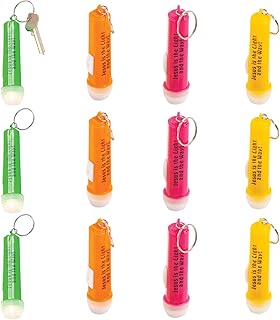 Express Jesus is The Light Flashlight Key Chains (Set of 12) Religious Party Supplies - VBS 2026 Vacation Bible School Supplies/Decor
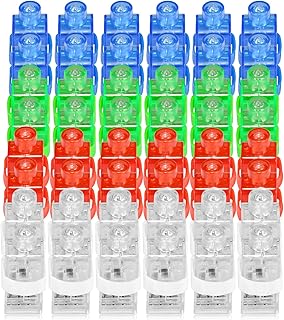 CADE ELECTRONIC Finger Lights- 50Pcs Finger Flashlights for Kids-Bachelorette Party Favors - Party Supplies for Parties Cheering Novelty Toys for Kids, Adult