Why this guide matters for global buyers
Flashlights remain a core product category for lighting importers, wholesale distributors, and project contractors. Choosing the right models is not just about lumen counts; it affects warranty exposure, shipping costs, regulatory compliance, and margin. This guide puts the technical and commercial criteria together so procurement teams can draft concise RFQs, evaluate manufacturers, and minimize post-sale issues.
How flashlights are categorized
Understanding the common product categories helps define target customers and retail channels:
- Everyday carry (EDC) flashlights: compact, pocketable, 100–1,500 lumens.
- Tactical flashlights: durable, momentary/tail switches, strobe modes, 300–3,000+ lumens.
- Worksite/utility lights: broader beams or floodlights, marketed to contractors and trades—often with magnetic bases or stands.
- Search and rescue / high-output searchlights: focused long-range beams, 1,000–10,000+ lumens.
- Headlamps and specialty lights: hands-free solutions for industrial projects.
Key technical specifications buyers must specify
Provide these in every RFQ. Ambiguous requests lead to mismatched samples and quality issues.
- Luminous flux (lumens): Total light output. Quote the nominal lumen and list modes (high, medium, low).
- Beam distance / peak beam intensity: Measured in meters and candela respectively—important for search and tactical uses.
- Runtime: Specify the condition (e.g., runtime to 10% of initial output or to cutoff) and which mode it applies to.
- Battery type & capacity: AA/AAA, CR123A, 18650, 21700, built-in Li-ion with mAh value. Include user-replaceable vs non-replaceable.
- Charging method: USB-C, micro-USB, proprietary charging port, external charger compatibility, and power-bank (USB-out) capability if required.
- Ingress Protection (IP) rating: e.g., IP54, IP67, IP68—define water and dust expectations.
- Impact resistance: Drop height in meters (e.g., 1m, 2m) or IK rating where applicable.
- Materials & finish: 6061-T6 aluminum, ABS, polycarbonate lens, Type III hard-anodized coating, anti-scratch glass.
- Operating temperature: Temperature range for worst-case environments.
- Dimensions & weight: Include both with and without battery for freight and packaging calculations.
Standards and safety certifications to request
Certifications reduce compliance headaches in target markets. Ask suppliers to provide test reports and declare which certificates are included in price:
- ANSI/NEMA FL1 standard: Industry testing for lumens, runtime, beam distance, water resistance and impact—useful benchmark for North American buyers.
- CE & RoHS: Required for EU market entry to demonstrate electrical safety and restricted substances compliance.
- UN38.3: Mandatory for air transport of lithium cells and batteries; insist on reports when ordering Li-ion powered flashlights.
- FCC Part 15: For models with radio or wireless functions (e.g., Bluetooth control) in the U.S.
- Local approvals: PSE (Japan), KC (Korea), BIS (India), or others depending on market. Clarify target countries up front.
Batteries, charging and logistics considerations
Batteries influence product cost, shipping method, and retail positioning.
- Primary vs rechargeable: Disposable cells (AA/CR123A) present different logistics compared with integrated rechargeable Li-ion. Determine if you want replaceable batteries (retail-friendly) or built-in rechargeable packs (higher unit price, feature-rich).
- Shipping restrictions: Lithium batteries often cannot be shipped by regular air freight in large quantities. UN38.3 and carrier rules determine whether batteries ship with devices or separately and whether surface freight is needed.
- Battery protection: For Li-ion cells require PCB protection against overcharge, over-discharge, short-circuit and thermal events. Request protection circuit test documentation.
- Charging interfaces: USB-C is recommended for universal compatibility and faster charging; specify charging current, charge time, and whether the light supports pass-through power.
Optics, LEDs and thermal design
High lumen outputs require careful thermal management and beam design to avoid premature LED failure or thermal throttling.
- LED chip selection: High-power LEDs and reputable manufacturers are preferred for longer life and consistent binning. Buyers often ask for LED model or manufacturer to assess color temperature and CRI.
- Optics: Reflector type (smooth vs textured), TIR lenses, and beam profile determine flood vs throw characteristics. Request photometric data when beam shape is critical.
- Thermal path: Materials and heat-sink design—thicker walls, fins, and direct thermal conduction from LED star to body improve runtime at high modes.
Durability: housing, switches and ingress protection
Contractors and tactical customers expect long service life under rough conditions. Specify these items:
- Body material and finish: 6061-T6 aluminum with Type III hard anodizing is common for abrasion resistance; stainless steel or brass bezels in special markets.
- Lens protection: Tempered glass with anti-reflective coating vs polycarbonate lenses for impact resistance.
- Switch type: Tailcap mechanical, magnetic switches, or side electronic switches—clarify required life-cycle (e.g., 100,000 actuations) and whether switches are waterproofed.
Controls, user interface and features
Usability directly affects return rates and brand reputation. Ask about:
- Mode memory vs default-on modes.
- Strobe or SOS features—document legal restrictions on strobe in certain regions or for specific applications.
- Lockout functions to prevent accidental activation in shipping or storage.
- Battery level indicators and low-voltage protection behavior.
Packaging, labeling and retail readiness
Packaging affects per-unit landed cost and shelf appeal. Clarify packaging options and labeling requirements:
- Unit packaging: Blister, retail box, or bulk. Include dimensions and weight for freight planning.
- Custom branding & inserts: Ordered min. qty and lead times for printed manuals, CE marks, barcodes, user guides and warranty cards.
- Language and regulatory labeling: Provide required languages for user manuals and safety marks for target countries.
Supply chain, MOQ and lead time expectations
Commercial terms shape sourcing feasibility.
- MOQ: Typical factory MOQs vary: generic catalog models may be 200–500 units; customized OEM models often start at 1,000+ units. Ask factories for tiered pricing and sample lead times.
- Lead time: From sample approval to production can be 4–12 weeks depending on customization, component availability, and batch size. High-output LEDs or batteries may add time.
- Capacity & continuity: Verify the manufacturer’s monthly output for your SKU to avoid stockouts and confirm backup suppliers for critical components like batteries and drivers.
Quality assurance and test protocols
Institute checks during prototyping and pre-shipment to reduce returns:
- Incoming material checks: Verify battery specs, LED binning, driver performance.
- Production testing: 100% electrical test on switch function, polarity and charging. Random photometric sampling per lot.
- Burn-in & thermal test: Run initial burn-in at high mode for 2–8 hours to detect infant failures and thermal issues.
- Photometric reports: ANSI/FL1 test reports for lumens, beam distance, and run time are valuable for marketing and technical comparisons.
- AQL & inspection: Agree an AQL for visual and functional defects and hire third-party inspection before shipment if volumes justify it.
Pricing strategies and total landed cost
Unit price is only part of the equation. Include these when calculating total landed cost:
- Unit price, tooling fees for custom components or molds.
- Battery shipping surcharges and hazardous goods handling fees.
- Certification costs, testing fees, and re-testing for different markets.
- Packaging and retail-ready finishing costs (manuals, UPC labels).
- Import duties, VAT, and local compliance costs in destination countries.
RFQ checklist: what to include when requesting quotes
Use this checklist to get comparable quotes from manufacturers:
- Target part number or concept name and intended market/countries.
- Exact technical specs: lumens per mode, runtime definition, beam distance, battery type and capacity, charging port and function.
- Required certifications and test reports (FL1, UN38.3, CE, RoHS, etc.).
- Physical specs: dimensions, weight, materials, finish.
- Packing & labeling requirements: unit box, master carton dimensions, pieces per carton, retail packaging design.
- MOQ, expected annual volume, target FOB or CIF price, and desired lead times.
- Warranty terms and expected after-sales support arrangements.
- Sample requirements: number of prototype samples, timing and cost responsibilities.
Evaluating suppliers and negotiating terms
Beyond price, evaluate manufacturers on capacity, testing capability, and commercial transparency:
- Ask for production photos and sample test reports, not just certificates that could be easily copied.
- Request SKUs sold in target markets and customer references for product performance.
- Negotiate payment terms tied to milestones: deposit, production completion, and inspection pass.
- Agree on warranty process and spare parts availability, including expected turnaround for replacement parts.
- Consider trial orders to validate logistics and retail acceptance before scaling volumes.
Post-sale support and lifecycle considerations
After-sales support reduces returns and maintains brand reputation:
- Set clear warranty policies: typical industry warranties range from 12–36 months depending on battery and use-case.
- Ensure spare parts availability: O-rings, switches, chargers and replacement batteries.
- Plan end-of-life and battery recycling options, especially for EU markets with extended producer responsibility rules.
- Monitor field feedback and arrange periodic product reviews with the manufacturer to implement improvements.
How JECTE supports global buyers (what to ask your manufacturer)
When speaking with a manufacturer or industrial supply partner, confirm capabilities that directly affect your procurement risk:
- Full in-house testing lab and ability to provide FL1, UN38.3 and CE test reports.
- OEM/ODM options and minimums, plus sample lead times.
- Quality system and inspection procedures (AQL, burn-in, photometric testing).
- Assistance with packaging design, multilingual manuals, and country-specific labeling.
- Supply chain transparency for critical components (LEDs, drivers, cells) to manage lead-time risk.
Final procurement checklist
- Define exact technical specs and FL1 test conditions in your RFQ.
- Confirm battery shipping method and UN38.3 documentation if Li-ion is used.
- Request pre-shipment inspection and photometric test samples.
- Agree MOQ, lead time, payment milestones and warranty terms in writing.
- Plan for spare parts and post-sale technical support.
Purchasing flashlights for distribution or projects requires balancing technical performance, regulatory compliance, and practical logistics. Providing clear, repeatable specifications in your RFQs and partnering with manufacturers who can produce verified test data will speed sourcing, reduce returns, and protect margins. For global buyers, work with suppliers who understand international certifications, battery logistics and retail packaging to deliver a market-ready product with predictable lead times.
If you are preparing an RFQ or planning a pilot order, use the RFQ checklist in this guide as a template to get detailed and comparable quotes from manufacturers and suppliers.
Related Products
Explore related products from JECTE for your next sourcing project.
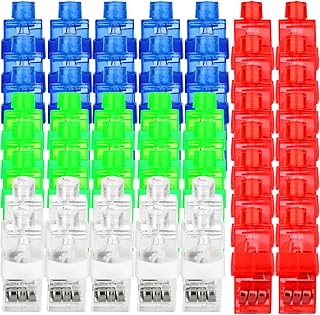 60Pcs LED Finger Lights Flashlights for Kids Glow Party Favors Birthday Christmas Halloween Supplies
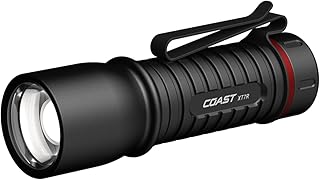 XT7R 1500 Lumen Rechargeable LED Flashlight with Magnetic Mount, Slide Focus, and Pocket Clip, Black
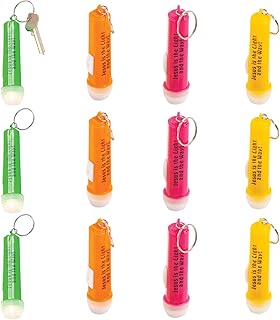 Express Jesus is The Light Flashlight Key Chains (Set of 12) Religious Party Supplies - VBS 2026 Vacation Bible School Supplies/Decor
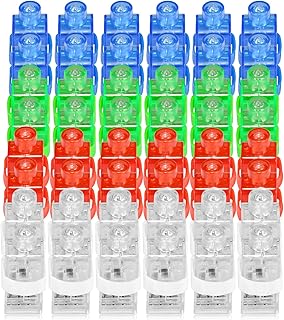 CADE ELECTRONIC Finger Lights- 50Pcs Finger Flashlights for Kids-Bachelorette Party Favors - Party Supplies for Parties Cheering Novelty Toys for Kids, Adult