Introduction
Flashlights remain a core product category for lighting wholesalers, importers and project contractors. Whether specifying handheld task lights for industrial projects, stocking consumer-grade torches for resale, or sourcing rugged searchlights for emergency services, buyers must evaluate technical performance, compliance, packaging and supply-chain risks. This guide focuses on the practical procurement criteria and steps procurement teams should use when working with manufacturers like JECTE or other industrial suppliers.
Key technical specifications to request in an RFQ
A concise, standardized specification list reduces back-and-forth with manufacturers and yields comparable quotes. Include the following items in every request for quotation (RFQ):
- Lumen output: Maximum and usable lumen ratings (ANSI/NEMA or manufacturer test method).
- Peak intensity (candela) and beam distance: Important for search/spot models; measured at 1 lux for distance.
- Beam type and optics: Flood, spot, adjustable focus, TIR lens or reflector type.
- Runtime and burn modes: Runtime at each mode (high/medium/low/eco, strobe), with battery type specified for each test.
- Battery chemistry: Alkaline, NiMH, Li-ion (removable or built-in). State nominal cell configuration (e.g., 18650) and protection circuitry.
- Charging: On-board charging (USB-C, micro-USB), charging current, charge time and protection features.
- Driver and LED: LED make/model, color temperature (CCT) and CRI, driver type (constant current, PWM details) and dimming characteristics.
- Housing materials and finishes: Aluminum grade (e.g., 6061), stainless options, thermoplastic housing, anodizing type (Type II/III) and color options.
- Ingress and impact protection: IP rating (IP54/IP67/IP68) and IK rating or drop height (e.g., 1–2 m drop test).
- Dimensions and weight: Important for packaging, shipping and display planning.
- Accessories and mounting: Holsters, clips, lanyards, magnetic bases, helmet mounts.
- Operating temperature range: For applications in extreme climates.
- Markings and labels: CE/UKCA marks, user manual languages, barcode/serial number needs.
Performance metrics explained
Understanding the real-world meaning of specifications helps avoid misleading claims.
- Lumens: Total light output from the emitter. High lumen numbers can overstate practicality without thermal management or usable beam.
- Candela and beam distance: Candela relates to focused intensity; vital for search tasks. Beam distance is derived from candela (distance to 1 lux).
- Runtime: Often quoted until a threshold (e.g., 10% of initial output). Ask for runtime curves — many flashlights step down output when hot.
- Color temperature & CRI: 2700–6500K range; CRI affects color rendering. For inspection or medical contexts, higher CRI is important.
- Thermal management: High-power LEDs require heat sinks and correct driver design to maintain lumen output and lifetime.
Battery choices and logistics considerations
Battery selection impacts performance, lifecycle cost and shipping complexity.
- Disposable cells (AA/AAA): Easy to ship, widely accepted by airlines, but lower energy density and higher lifetime cost.
- Rechargeable cells (NiMH): Good for consumer models, moderate energy density and less stringent shipping rules than lithium.
- Li-ion (18650, 21700, built-in packs): High energy density and common for high-performance flashlights. Built-in or packed lithium batteries are regulated as dangerous goods for transport — ensure supplier follows IATA/IMDG/ADR and provides proper documentation and markings.
- Battery protection: For integrated packs, require overcharge, over-discharge, short-circuit and temperature protection and list the Battery Management System (BMS) features.
Durability, ingress protection and safety standards
Ask suppliers for test reports, not just claims. Typical tests and standards to request proofs for include:
- Ingress Protection (IP): IEC 60529 test reports (IPX7/IPX8 for water immersion or IP65 for dust/water jets).
- Impact and drop: Drop tests or MIL-STD-810G style reports; include specified drop height.
- Corrosion resistance: Salt spray (ASTM B117) reports for coastal or marine use.
- Thermal and vibration testing: For vehicle-mounted or industrial environments.
- Electrical safety and EMC: If the flashlight includes charging electronics, request EMC and low-voltage safety test reports applicable to your target markets.
Certifications and regulatory compliance for global markets
Regulatory requirements depend on target geography and product features:
- CE / UKCA: Required for most European and UK sales; covers safety, EMC and RoHS compliance depending on components.
- RoHS / REACH: Substance restrictions (lead, mercury, phthalates) are often required for electronics sold in the EU.
- FCC / IC: If the product has wireless charging or radio modules, local radio/EMC approvals may be required.
- Lithium battery transport: Compliance with IATA, IMDG and local ADR requirements is mandatory. Ensure manufacturer provides UN test reports for cells/packs and proper shipping documentation.
- Local approvals: Some sectors (e.g., hazardous area lighting, mining) require specific certifications—clarify during RFQ.
Quality assurance and sample strategy
Move systematically from prototype to mass production to limit risk.
- Prototype samples: Approve multiple pre-production samples for fit, finish, beam pattern and runtime before tooling or mass order.
- Functional tests to run on samples: Full runtime tests, thermal behavior, charging cycle tests, impact and ingress checks, and battery capacity verification.
- Production QA: Specify IQC checkpoints, inline testing (LED binning, driver burn-in), and final inspection criteria (AQL levels). Require factory test reports with shipments.
- Third-party inspection: Consider pre-shipment inspections or third-party lab testing for first orders or new factories.
Customization, OEM and packaging
Buyers often want product differentiation. Discuss these points early to avoid surprises:
- Branding: Laser engraving, pad printing or color-matching. Clarify minimum order quantities (MOQs) and tooling costs.
- Accessory bundles: Offerings like holsters, rechargeable batteries, USB cables or magnetic bases can increase average order value; confirm packaging dimensions for retail display.
- Packaging design: Retail-ready blister packs, boxes with multilingual manuals and barcodes. Packaging impacts shipping cube and cost.
- Custom molds: For distinct housings or grips, injection tooling may be required. Expect longer lead times and one-time tooling fees.
Commercial terms, MOQ and lead times
Negotiate terms suitable for your market position and risk tolerance:
- MOQ: Consumer-grade items may have MOQs in the low hundreds or thousands. Custom designs often require higher MOQs; confirm tiers for different customization levels.
- Pricing structure: Request FOB and CIF pricing, bulk breakpoints and packaging options. Confirm currency and incoterms in the contract.
- Lead times: Standard models typically ship in 4–8 weeks; custom tooling or new battery assemblies can extend lead times to 12–20 weeks. Get clear production schedules.
- Sample policy: Clarify sample costs, lead time for samples, return or credit conditions upon order placement.
- Payment terms: Common terms include 30% deposit, balance before shipment or via LC. Consider trade credit insurance for new suppliers.
Packaging, logistics and battery freight
Packaging and shipping strategy affects cost and compliance.
- Cube optimization: Work with suppliers to minimize empty space and reduce freight costs — especially important for airfreight where dimensional weight applies.
- Battery shipping: Separate battery-included and battery-packed configurations may affect route selection (air vs sea) and documentation. Use compliant markings and documentation for hazardous materials.
- Warehouse and retail readiness: Confirm palletization, inner cartons per master carton, labels, and any retailer-specific requirements (e.g., Amazon prep).
Warranty, returns and after-sales support
Define post-sale responsibilities to protect your margins and brand reputation.
- Warranty terms: Agree on warranty period, coverage (electronics, LEDs, batteries), RMA process and repair vs replace terms.
- Spare parts: Confirm availability of spare switches, O-rings, chargers and batteries, and lead times for spare parts orders.
- Technical support: Establish points of contact, spare battery testing procedures and a policy for defective unit disposition.
Checklist for the final RFQ
Use this final checklist to ensure your RFQ is complete before sending to manufacturers:
- Complete spec sheet (lumens, runtime, beam, battery, materials)
- Target markets and required certifications
- Expected order volumes, MOQ and packing details
- Customization requirements: logo, color, packaging
- Sample requirements and test expectations
- Desired lead times and payment/incoterm preferences
- QA and inspection requirements (AQL, test reports)
- Warranty and spare parts expectations
Practical tips for working with manufacturers like JECTE
To reduce risk and speed time-to-market, buyers should:
- Request complete technical drawings and BOMs: Ensures clarity on components and helps anticipate supply chain constraints.
- Start with a pilot order: Validate the finished product in your market before committing to a larger production run.
- Require test evidence: Ask for lab reports for IP, drop, battery UN tests and EMC where relevant.
- Plan for logistics of battery shipments: Coordinate early with freight forwarders experienced in dangerous goods.
- Discuss lifecycle and replacement parts: For distributors and contractors, after-sales reliability matters for repeat business.
Conclusion
Sourcing flashlights for global markets combines product engineering, regulatory compliance, logistics planning and vigilant quality control. A clear RFQ, well-defined test acceptance criteria and an experienced manufacturing partner reduce surprises and help you bring reliable, compliant products to market. Whether you require consumer torches, tactical units or industrial-grade handhelds, focus on meaningful performance metrics, battery/transport regulations and end-to-end supply chain commitments when evaluating suppliers.
Contacting a manufacturer
When you are ready to source, provide suppliers with your RFQ checklist, target markets and projected volumes. This enables them to provide accurate pricing, realistic lead times and the necessary test documentation so you can move confidently from sample approval to production.
Related Products
Explore related products from JECTE for your next sourcing project.
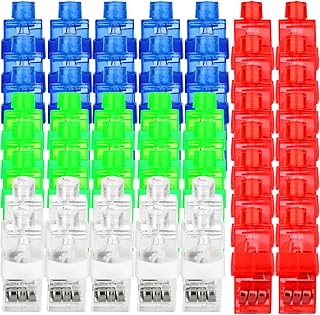 60Pcs LED Finger Lights Flashlights for Kids Glow Party Favors Birthday Christmas Halloween Supplies
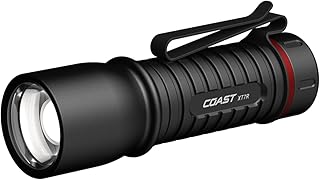 XT7R 1500 Lumen Rechargeable LED Flashlight with Magnetic Mount, Slide Focus, and Pocket Clip, Black
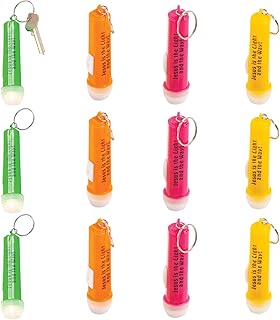 Express Jesus is The Light Flashlight Key Chains (Set of 12) Religious Party Supplies - VBS 2026 Vacation Bible School Supplies/Decor
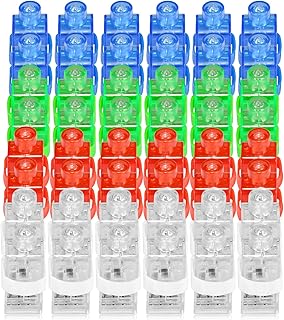 CADE ELECTRONIC Finger Lights- 50Pcs Finger Flashlights for Kids-Bachelorette Party Favors - Party Supplies for Parties Cheering Novelty Toys for Kids, Adult