Why this guide matters for buyers
Flashlights remain a staple SKU for distributors, wholesalers, importers and project contractors. Despite proliferation of integrated lighting systems, demand persists across safety, industrial, automotive, security, retail and consumer channels. For global buyers, selecting the right flashlight models means balancing performance, compliance, lifecycle cost and ease of market entry. This guide highlights the technical criteria, certification and sourcing considerations that matter when procuring flashlights in volume.
Understand flashlight categories and typical use cases
Different end-use scenarios require different flashlight designs. Align product selection with target channels and buyer expectations:
- Tactical flashlights: High output, compact, impact-resistant, often used by security, law enforcement and industrial maintenance.
- Worksite/utility lights: Durable, long runtime, magnetic or hands-free options for contractors and construction crews.
- Inspection and medical: Precise beam control, high color rendering and small form factor for inspection and healthcare use.
- Everyday carry (EDC) and consumer: Lightweight, pocketable, focus on portability and convenience.
- Rechargeable lanterns and area lights: For campsites, emergency preparedness, and jobsite illumination.
Key technical specifications to evaluate
When comparing models, focus on measurable, verifiable parameters. Avoid relying on marketing labels alone.
Lumens, beam pattern and throw
Lumens measure total light output; beam pattern and throw determine usable distance. For tactical and search tasks prioritize candela and throw (distance). For area tasks prioritize lumen output and flood pattern. Request manufacturer photometry (IES or LM-79 data) to validate performance claims.
Runtime and power management
Runtime depends on battery capacity and LED drive current. Look for runtime at specific modes (high, medium, low) and how output steps down over time (thermal regulation). For rechargeable models, check charge cycles, charging interface (USB-C recommended), and fast-charge capability.
Battery types and logistics
Common battery systems:
- Alkaline (disposable): Low cost, easy logistics, long shelf life, but variable performance in cold.
- NiMH rechargeable: Lower cost than Li-ion but limited energy density.
- Li-ion (18650, 21700, integrated packs): High energy density, lightweight, requires careful shipping compliance for air transport.
For global distribution, consider restrictions on shipping lithium batteries (IATA/IMDG regulations). Many buyers prefer shipping flashlights without batteries and arranging local batteries or accessories to avoid hazardous-goods complexity.
Material, finish and impact resistance
Aluminium alloys (often 6061 or 6063) with anodized finishes are common for durability. Polymer housings reduce cost and weight. Specify minimum impact rating (e.g., 1m, 2m drop) and test reports if your market demands rugged performance.
Ingress protection and sealing
IP ratings communicate resistance to dust and water. Typical targets:
- IP54: Dust-protected, splash-resistant — basic outdoor use.
- IP65: Dust-tight, water jets — worksite-ready.
- IP67/IP68: Temporary immersion and prolonged submersion — industrial or marine applications.
Request test certificates or third-party lab reports for IP claims.
Thermal management and durability of LEDs
Higher outputs require effective heat dissipation to avoid lumen rollback and shorten component life. Check whether the manufacturer specifies operating temperature ranges and sustained output over runtime.
User controls and interface
Control systems range from simple on/off switches to multi-mode electronics with memory, strobe, SOS and momentary modes. For professional markets, robust tail switches and tactile feedback matter. For consumer markets, intuitive operation and battery-level indicators can reduce returns.
Regulatory compliance and certifications
Certifications and conformity marks vary by region. Ensure your supplier can support documentation required for import and resale in target markets.
- CE (EMC, LVD): Required for EU market for electronic safety and electromagnetic compatibility.
- RoHS: Restriction of hazardous substances — often required for EU and many other markets.
- REACH: Chemical registration obligations for substances in the EU.
- UL/ETL: Safety certifications often required or expected in North America.
- IATA/UN transport regulations: For shipping lithium batteries.
- ATEX/IECEx: For equipment intended for explosive atmospheres (hazardous zone use).
Ask suppliers for declaration of conformity, test reports and product labelling specifics to avoid customs delays and non-compliance penalties.
Quality assurance, testing and sample validation
Before large-scale purchase, require engineering samples and independent testing for:
- Photometric performance (IES/LM-79 or equivalent).
- Battery safety and cycle testing for rechargeable models.
- Ingress protection and mechanical shock/drop tests.
- EMC testing where electronics could interfere with other equipment.
Negotiate sample fees and lead times up front. Factory acceptance testing (FAT) photos and videos can speed approval.
Customization and private-label options
For wholesalers and distributors, private labeling and packaging differentiate your offering. Common customizations include:
- Branding: laser engraving, printed logos or custom colors.
- Packaging: retail-ready boxes, warranty cards, multilingual manuals.
- Accessory bundles: holsters, USB cables, spare o-rings, batteries.
- Tailored firmware: mode programming, brightness presets, locking features.
Request minimum order quantities (MOQs) and tooling or setup charges for custom colors or branding. Consider SKU rationalization to minimize inventory complexity.
Pricing, MOQ and lead time considerations
Unit price depends on materials, LED and battery technology, electronics complexity, and volume. Typical procurement levers:
- Higher MOQs yield lower unit costs—plan SKUs accordingly.
- Simple designs with standardized batteries reduce BOM cost and simplify logistics.
- Including batteries often increases freight complexity and cost due to hazardous goods handling.
- Lead times: standard models may ship in weeks; customized or certified models can require months for approvals and production.
Supply chain and logistics best practices
Global buyers should align sourcing strategy with logistics realities and risk mitigation:
- Consider DDP (Delivered Duty Paid) vs. FOB terms depending on your import capabilities and tax duties.
- Plan for spare parts and accessory replenishment; standardized components ease aftermarket service.
- Request consolidated packaging options to reduce freight cubic volume.
- Verify factory capacity and backup sourcing plans for peak seasons or macro disruptions.
Warranty, returns and after-sales support
Establish clear warranty terms that cover defects in materials and workmanship. For higher-value or professional products, offer a minimum 1–3 year warranty and defined RMA processes. Confirm the manufacturer’s ability to supply replacement parts and repair guidance to minimize customer downtime.
Procurement checklist for flashlight purchases
Use this checklist when evaluating suppliers or preparing tenders:
- Specify target application and expected duty cycle (daily hours, environment).
- Required lumen output, beam throw (meters) and photometric data request.
- Preferred battery type and whether batteries will be shipped with product.
- Minimum IP and impact rating; request test certificates.
- List certifications required by destination markets (CE, RoHS, UL, IECEx).
- Sample request with full performance and safety tests prior to purchase order.
- MOQ, lead time, pricing tiers, and penalties for schedule deviations.
- Customization needs: branding, packaging, firmware settings.
- Warranty terms and spare-parts support commitments.
- Freight and logistics terms, battery transport arrangements and documentation.
Working with a manufacturer partner: what to expect
A reliable manufacturer will provide:
- Technical datasheets, photometric reports and safety certificates.
- Transparent lead times and capacity data.
- Sample policy and clear MOQ for custom runs.
- After-sales support including spare parts and repair instructions.
As a manufacturer and industrial supply partner, JECTE can support specification development, customs documentation and tailored packaging for global buyers. For buyers seeking private-label products, JECTE offers collaboration on engineering, certification pathways and scalable production plans.
Final recommendations for buyers
Prioritize verified technical performance over headline claims. Map models to channel expectations—tactical buyers expect throw and durability; retail customers value size and convenience. Factor in total landed cost (including compliance, shipping and after-sales) rather than unit price alone. Require samples and independent testing before committing to large volumes.
Next steps
If you are sourcing flashlights for distribution or a project, prepare a brief with target applications, expected annual volumes, certification requirements and desired customization. Share this with potential manufacturers to obtain comparable quotes and lead-time estimates. For assistance in specification, testing, or private-label manufacturing, JECTE can provide technical consultation and sample support to accelerate procurement.
Contact JECTE to discuss volume pricing, samples and certification support tailored to your target markets.
Related Products
Explore related products from JECTE for your next sourcing project.
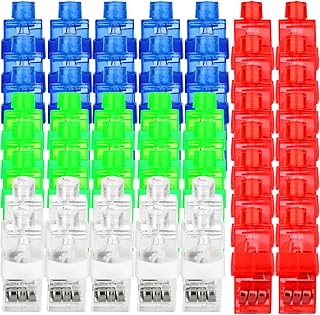 60Pcs LED Finger Lights Flashlights for Kids Glow Party Favors Birthday Christmas Halloween Supplies
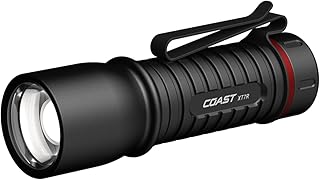 XT7R 1500 Lumen Rechargeable LED Flashlight with Magnetic Mount, Slide Focus, and Pocket Clip, Black
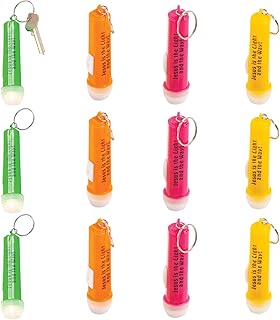 Express Jesus is The Light Flashlight Key Chains (Set of 12) Religious Party Supplies - VBS 2026 Vacation Bible School Supplies/Decor
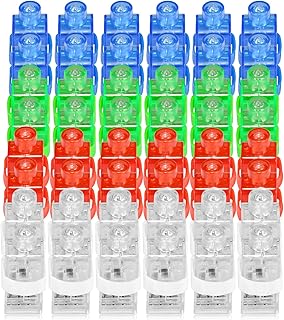 CADE ELECTRONIC Finger Lights- 50Pcs Finger Flashlights for Kids-Bachelorette Party Favors - Party Supplies for Parties Cheering Novelty Toys for Kids, Adult