Introduction: Why a specialist flashlight buying guide matters
Flashlight remains a core product category for industrial, retail and project markets worldwide. For importers, wholesalers, distributors and project contractors, selecting the right flashlight model means balancing performance, durability, regulatory compliance and total landed cost. This guide helps procurement professionals translate operational needs into technical specifications, evaluate suppliers, manage quality control, and set commercial terms that reduce risk and improve margins.
Who should use this guide
This guide is written for B2B buyers and decision-makers including lighting importers, wholesale distributors, national retailers, project contractors, and procurement teams specifying flashlights for industrial projects, safety programs, and OEM incorporation.
Overview of flashlight product types and applications
Different applications require different flashlight types. Early alignment on intended use narrows the specification and reduces aftermarket issues.
- General utility/consumer: compact designs for everyday carry and home use.
- Tactical: high output, rugged construction, tail switches, weapon-mount compatible for security and law enforcement.
- Industrial/inspection: focused beams, adjustable heads, anti-glare filters, hands-free options for maintenance work.
- Search & rescue and emergency: long-range beams, high lumen output, signaling modes, rechargeable with multi-power sources.
- Mining and hazardous locations: intrinsically safe designs and explosion-proof housings for classified environments.
- Medical and cleanroom: non-sparking, sterilizable finishes, and color-corrected LEDs for clinical use.
Core technical specifications to define
Provide suppliers with a clear tech spec to ensure comparable quotes. The most important parameters are:
- Lumen output: specify initial lumens and regulated output across modes.
- Beam characteristics: beam distance (meters), candela, flood vs spot, and beam pattern.
- Runtime: specify runtime per mode until defined lux or percentage of initial output.
- LED type and color temperature: e.g., XML2, XP-L; specify Correlated Color Temperature (CCT) and CRI if color rendering matters.
- Power source: disposable batteries (AA/AAA/CR123), rechargeable (Li-ion 18650/21700), USB-C charging or integrated packs.
- Charging method and time: include supported charging protocols and expected charge cycle durability.
- Materials and finish: aluminum grade, coating (anodizing, hardcoat), polymer types for impact resistance.
- Ingress and impact protection: IP rating (IP65/IP67/IP68) and IK/mechanical impact rating.
- Operating temperature range and thermal management: heat sink design and thermal throttling behavior.
- Size and weight: relevant for user ergonomics and packaging.
Battery and power management considerations
Battery type affects performance, safety, cost and logistics. Clarify these items when evaluating models:
- Battery chemistry and format: Li-ion cells offer best energy density; alkalines and NiMH are common for disposable or cost-sensitive SKUs.
- Replaceable vs integrated battery: trade-offs between serviceability and IP/weight.
- Charging options: integrated USB-C is now standard for professional-grade models; support for fast charging and battery management system (BMS) improves longevity and safety.
- Spare batteries and accessories: factor accessory SKUs (charger, holster, extra cells) into purchase planning.
- Transportation of lithium batteries: understand air transport restrictions, UN testing, and packaging requirements that affect shipping cost and lead time.
Durability, safety ratings and environmental performance
Industrial buyers should prioritize robust construction and appropriate safety ratings for intended environments.
- IP ratings: IP65 for dust and water jets; IP67 for temporary immersion; IP68 for continuous immersion. Choose at least IP65 for outdoor/industrial use.
- Impact rating: seek minimum 1–2 meter drop protection for everyday use; tactical and industrial models should be higher.
- Materials: anodized aircraft-grade aluminum is common for durability; polymer bodies may be lighter and more economical.
- Thermal and overload protection: active/passive thermal control helps maintain LED life and consistent output.
- Hazardous area approval: for mining and petrochemical sites, request intrinsic safety or explosion-proof certification when required.
Regulatory and certification checklist
Regulatory compliance is non-negotiable for many markets and sectors. Ask suppliers for documented evidence early in negotiations.
- CE marking for European markets; EMC and low-voltage directives may apply for rechargeable electronic flashlights.
- RoHS compliance for restricted substances.
- CB/IEC or national safety approvals where required (e.g., UL in North America for products with mains charging equipment).
- UN38.3 testing for lithium battery transport compliance.
- ATEX/IECEx or equivalent for hazardous locations when relevant.
- Battery safety certifications or BMS test reports for integrated battery packs.
Sourcing and supplier evaluation
Choose a supplier that aligns with your technical and commercial requirements. Key evaluation factors include:
- Technical capabilities: in-house tooling, LED driver design, thermal simulation and testing facilities.
- Quality management: ISO 9001, in-line testing, and batch traceability.
- Sample and prototyping speed: ability to produce engineering samples and revise designs quickly.
- Manufacturing capacity and lead times: confirm peak-season schedules and scaling options for large orders.
- Supplier transparency: willingness to share test reports, material data sheets, and production photos or factory audit results.
- After-sales support: warranty handling, spare parts availability and spare battery sourcing.
Customization, private label and ODM/OEM options
Many B2B buyers require branding and feature differentiation. Ask about:
- Branding: laser engraving, silk printing, custom packaging and inserts.
- Design changes: colorways, bezel styles, switch configuration and accessory bundles.
- Firmware and mode programming: custom mode sets, default brightness, and safety cut-offs.
- Minimum order quantities (MOQs): OEM/ODM MOQs vary; negotiate based on SKU complexity and tooling needs.
- Intellectual property and tooling ownership: clarify who owns custom tooling and design rights after development.
Quality control, testing and acceptance criteria
Define QC gates and testing requirements in the purchase agreement to reduce disputes at receipt.
- Pre-production sample approval (PPS): confirm and sign off on final sample before mass production.
- Incoming inspection plan: specify acceptance levels (AQL), visual inspection points, and functional tests.
- Batch testing: request random sampling for lumen output, runtime, water ingress and drop tests.
- Third-party or in-house lab testing: for critical projects, commission independent testing and keep certificates on file.
- Non-conformance and corrective action: include procedures and remedies for defective shipments, including replacement or credit terms.
Commercial terms, packaging and logistics
Packaging, labeling and shipping influence unit cost and time-to-market. Plan these details early.
- Packing format: retail-ready vs bulk industrial cartons; include dimensions and weight for freight planning.
- Labeling and compliance marks: ensure packaging includes required warnings, disposal instructions and certification marks for target markets.
- Incoterms and payment terms: widely used options are FOB, CIF and DDP; align with your logistics strategy and risk appetite.
- Lead time and production scheduling: confirm lead times for standard SKUs and additional development time for customized units.
- Shipping hazards: lithium batteries may require special documentation and longer transit times; consolidate battery shipments when possible to save costs.
Warranty, repairs and aftermarket support
Clear warranty and service arrangements protect buyers and their end customers. Address:
- Warranty period and coverage: parts, labor and battery exclusions should be explicit.
- Return merchandise authorization (RMA) procedures and turnaround times for repairs.
- Spare parts availability and lead times for replacements such as lenses, O-rings and batteries.
- End-of-life repairability: consider design choices that enable field repair versus complete replacement.
Procurement checklist (sample specification you can send to suppliers)
Use this checklist as a minimum specification template when requesting quotes or samples:
- Intended application and target buyer.
- Model reference or requested custom build.
- Lumens (high/medium/low), beam distance, candela.
- LED type, CCT and minimum CRI.
- Battery type, capacity, replaceable vs integrated, charging method.
- Runtime per mode and measurement criteria.
- Materials, finish and weight.
- IP and impact rating targets.
- Required certifications and test reports.
- PPS sample requirement, quantity and lead time.
- MOQ, FOB price, sample cost and payment terms.
- Packing spec and label requirements.
Working with a manufacturing partner like JECTE
As a lighting manufacturer and industrial supply partner, JECTE supports global buyers across specification, prototyping, production and logistics. When choosing a manufacturing partner, prioritize those who provide transparent testing, flexible ODM/OEM capabilities, clear warranty terms and assistance navigating battery transport and certifications. A partner that engages early in the design or customization process can reduce costs and speed time to market.
Final recommendations for buyers
Follow these practical steps to reduce procurement risk and improve outcomes:
- Define the application and create a clear spec before contacting suppliers.
- Request performance data and test reports rather than accepting claims without evidence.
- Order engineering samples and run independent or on-site tests aligned with your acceptance criteria.
- Factor in battery logistics and certifications into lead time and landed cost calculations.
- Negotiate MOQs and packaging to match your distribution strategy—retail-ready for stores, bulk for industrial accounts.
- Include warranty and RMA terms in purchase contracts and confirm spare parts availability.
Conclusion
Buying flashlights at scale is a technical and commercial process. Aligning product specifications with application, ensuring regulatory compliance, and selecting a responsive manufacturer or ODM partner are the most important steps. Use a detailed procurement checklist, enforce sample testing and define QC gates up front to avoid costly quality issues. For buyers seeking an integrated manufacturing partner, choose a supplier who combines engineering support, testing transparency and global logistics expertise to deliver reliable products on time and on budget.
Next steps
If you are preparing a flashlight procurement project, compile your intended applications, projected annual volumes, and any required certifications. Share that brief with potential suppliers to receive comparable quotes and realistic lead times. A structured sourcing approach reduces surprises and accelerates project delivery.
Related Products
Explore related products from JECTE for your next sourcing project.
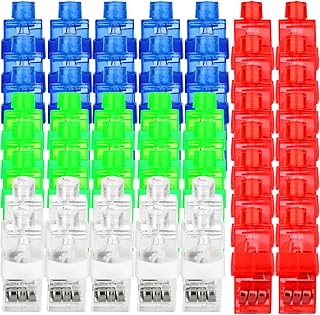 60Pcs LED Finger Lights Flashlights for Kids Glow Party Favors Birthday Christmas Halloween Supplies
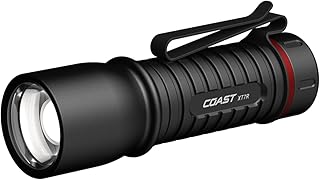 XT7R 1500 Lumen Rechargeable LED Flashlight with Magnetic Mount, Slide Focus, and Pocket Clip, Black
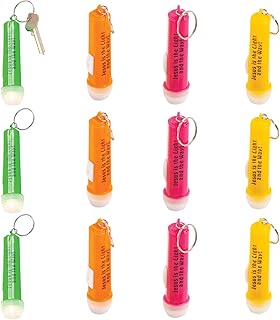 Express Jesus is The Light Flashlight Key Chains (Set of 12) Religious Party Supplies - VBS 2026 Vacation Bible School Supplies/Decor
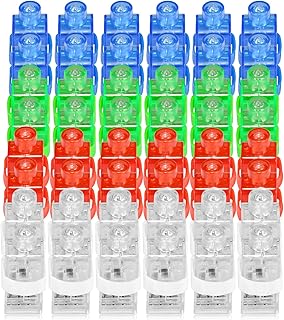 CADE ELECTRONIC Finger Lights- 50Pcs Finger Flashlights for Kids-Bachelorette Party Favors - Party Supplies for Parties Cheering Novelty Toys for Kids, Adult