Introduction: Why this flashlight buying guide matters
For global lighting importers, wholesalers, distributors, and project contractors, sourcing the right flashlight product mix impacts margins, reputation, and project outcomes. Flashlights are no longer a commodity: LED performance, battery chemistry, certifications, and supply-chain capability differentiate suppliers. This guide presents a practical, buyer-focused framework to evaluate flashlight products and manufacturers, minimize risk, and speed procurement.
Market segments and flashlight product types
Start by matching the product type to your market or project need. Each segment has different technical and commercial priorities.
Common segments
- Consumer/Everyday Carry (EDC): compact, pocketable, aesthetic, typically rechargeable, price-sensitive.
- Tactical and Law Enforcement: high-output beams, strobe modes, weapon-mount options, durable bodies.
- Industrial and Worksite: wide-beam area lights, headlamps, rechargeable systems with robust housings and long runtimes.
- Hazardous Location/Intrinsic Safety: ATEX/IECEx-certified models for explosive atmospheres.
- Emergency and Utility: large-capacity powerbanks, rendezvous lights, multi-light kits for fleets and contractors.
Key technical specifications buyers must evaluate
Product pages often emphasize lumens or marketing claims. For procurement, focus on measurable specs that influence buyer satisfaction and regulatory compliance.
Output and beam characteristics
- Lumen rating: total light output. Verify using an integrating sphere or accredited test report rather than relying on manufacturer claims.
- Beam distance and candela: more useful for tactical and search applications. Candela indicates peak intensity, affecting throw distance.
- Beam pattern: flood vs throw. Use photos and beamshots under controlled conditions for side-by-side comparisons.
Color quality
- Color temperature (CCT): cooler temperatures (5000K–6500K) look bright but can create glare; warmer CCT (3000K–4000K) improves visual comfort in many industrial settings.
- CRI (Color Rendering Index): for inspection tasks where color discernment matters, specify CRI>80 when possible.
Runtime and battery systems
- Battery chemistry: Li-ion (rechargeable) for high energy density; NiMH or alkaline for regulated costs and easier shipping; dedicated sealed lead-acid for large floodlights.
- Runtime vs lumen output: suppliers often quote runtimes at the lowest output. Request runtime charts showing lumen step-down over time.
- Charging options: onboard USB-C fast charge, removable battery packs, or proprietary chargers. Consider replacement battery availability for aftermarket service.
Durability and ingress protection
- IP rating: IP67 or higher for water and dust resistance in outdoor/industrial markets.
- Impact resistance: IK ratings or supplier drop-test data (e.g., 1.5 m drop). Metal housings with anodized finishes are preferred for rugged environments.
- Thermal management: aluminum bodies and heat-sinking designs extend LED life and maintain output.
Regulatory compliance, safety, and shipping considerations
Non-compliance can block shipments or create liabilities. Confirm required certifications early in the sourcing process.
Common certifications and tests
- CE marking for the EU (electromagnetic compatibility, low-voltage directives where applicable).
- RoHS and REACH for hazardous substances compliance.
- FCC for devices with wireless/EMI considerations in the US.
- UN38.3 for lithium cells and batteries to meet air-transport safety tests.
- ATEX or IECEx certification for intrinsically safe flashlights used in explosive atmospheres.
Lithium battery logistics
- Battery type affects shipping classification: lithium-ion cells/packs are regulated as dangerous goods. Understand the difference between cells, batteries, and equipment containing batteries.
- Many carriers require additional documentation and limit the number of batteries per shipment. Factor handling costs and lead time into landed cost calculations.
Quality assurance, testing, and inspection
Insist on verifiable test data and third-party lab reports. Typical checks during pre-shipment and incoming inspection:
- Functional test: light modes, output, switch operation, charging behavior.
- Lumen and beam verification: integrating-sphere or third-party photometric report.
- Runtime and thermal test: verify claimed runtimes at specified output levels, and check for overheating.
- Ingress and impact tests: IP and drop-test verification.
- Battery tests: capacity, voltage, over-discharge protection, and safety circuit function.
Commercial terms, MOQ, lead times, and pricing models
Negotiate terms that align with your inventory strategy and risk tolerance.
MOQ and pricing tiers
- Manufacturers commonly set MOQs by SKU; expect higher MOQs for customized or branded models.
- Volume tiers: unit price reductions at defined breakpoints. Ask for price breaks at realistic forecasted quantities.
Lead times and production planning
- Sample lead time: typically 1–2 weeks for off-the-shelf, longer for customized units.
- Mass production lead time: often 4–12 weeks, depending on complexity and battery sourcing.
- Plan for seasonal demand, factory holidays, and battery supply constraints when setting reorder points.
Payment and logistics terms
- Common terms: EXW, FOB, CIF. Understand who handles customs clearance, freight insurance, and inland delivery.
- Payment terms: deposits (30%) with balance on B/L, or negotiated credit for established partners.
Customization, branding, and packaging
Private-label flashlights and custom packaging improve margins and differentiation, but require extra validation.
OEM vs ODM and what to ask
- ODM: adapt an existing design quickly with lower tooling costs. Good for fast product introductions.
- OEM: fully custom design requires design, tooling, and longer lead times but allows differentiation.
- Ask about minimum customization quantities, lead times for tooling, artwork approvals, and prototype iterations.
Packing and aftermarket support
- Packaging: retail-ready vs bulk packaging affects price and shipping density. Request packing lists and carton dimensions.
- Spare parts and replacement batteries: ensure long-term availability for service claims.
Inspection checklist for evaluating flashlight samples
Run a consistent, practical test protocol for sample evaluation before committing to production.
- Visual inspection: finish quality, branding accuracy, assembly fit and finish.
- Electrical and functional: switch reliability, mode memory, strobe safety, charging current and time.
- Photometric test: verify lumen output and beam pattern under controlled conditions.
- Runtime test: record lumen decay and total runtime at defined output levels.
- Battery safety check: protection circuit performance, temperature behavior during charge/discharge.
- Environmental: small-batch IP and drop tests if targeting rugged markets.
Questions to ask potential flashlight manufacturers
- What is your monthly production capacity for this model and for batteries?
- Can you provide third-party photometric and UN38.3 battery test reports?
- Do you support OEM/ODM, and what are MOQs and tooling costs?
- What warranties and after-sales support do you offer? Do you stock spare parts?
- What are your standard packing configurations and lead times for samples and mass orders?
- How do you handle lithium battery shipping and compliance documentation?
Contract and quality-of-supply terms to include
- Clear technical specification sheet with tolerances for critical metrics (lumens, runtime, IP rating).
- Acceptance criteria and allowed defect rates (AQL) for incoming inspection.
- Warranty clauses, return process, and RMA terms.
- Lead time commitments and penalties for agreed SLAs where critical.
- Intellectual property and branding protections for custom designs.
How JECTE can support your flashlight sourcing
As a lighting manufacturer and industrial supply partner, JECTE supports global buyers through product selection, OEM/ODM customization, testing coordination, and supply-chain coordination. JECTE can produce off-the-shelf and custom flashlights, manage battery compliance documentation, and provide sample and production schedules aligned to buyer needs.
Procurement checklist before placing an order
- Confirm technical specs and request sample photometric and battery test reports.
- Validate certifications required for target markets (CE, RoHS, UN38.3, ATEX/IECEx where needed).
- Agree MOQ, unit pricing tiers, and payment terms in writing.
- Inspect and approve packaging and labeling artwork before production.
- Plan logistics for battery shipments and allocate contingency stock for lead-time variability.
- Set RMA and warranty processes and designate a contact for after-sales support.
Conclusion: minimize risk, maximize product fit
Sourcing the right flashlight requires more than accepting a lumens claim. Prioritize verified test data, battery and shipping compliance, clear commercial terms, and manufacturability for your market. Work with a manufacturing partner that provides technical support, sample validation, and consistent quality. If you need tailored specifications, testing assistance, or scalable production for flashlight ranges, JECTE can collaborate on OEM/ODM designs, compliance documentation, and global logistics to help bring reliable products to market.
Next steps
Prepare a short request-for-quotation (RFQ) including desired model type, target markets, estimated annual volumes, required certifications, and packaging preferences. Share any target retail pricing or margin goals so manufacturers can propose feasible designs and MOQ options. A clear RFQ accelerates sample delivery and shortens supplier selection.
Use this guide as your procurement checklist when evaluating flashlights and manufacturers to reduce surprises and secure a reliable supply of products that meet your customers' needs.
Related Products
Explore related products from JECTE for your next sourcing project.
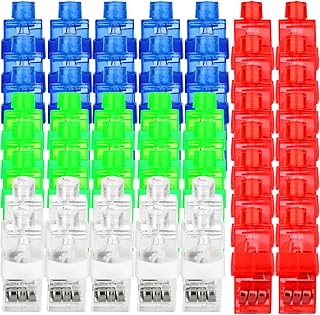 60Pcs LED Finger Lights Flashlights for Kids Glow Party Favors Birthday Christmas Halloween Supplies
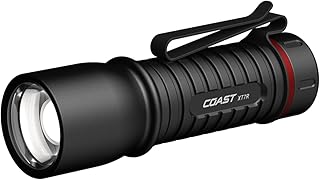 XT7R 1500 Lumen Rechargeable LED Flashlight with Magnetic Mount, Slide Focus, and Pocket Clip, Black
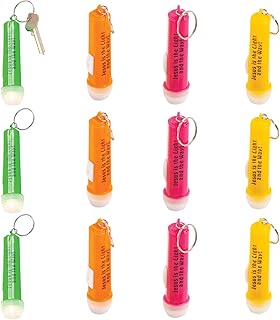 Express Jesus is The Light Flashlight Key Chains (Set of 12) Religious Party Supplies - VBS 2026 Vacation Bible School Supplies/Decor
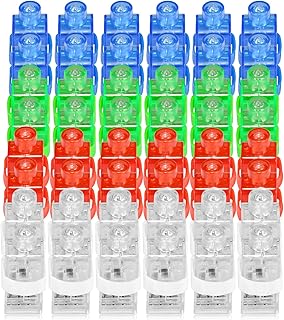 CADE ELECTRONIC Finger Lights- 50Pcs Finger Flashlights for Kids-Bachelorette Party Favors - Party Supplies for Parties Cheering Novelty Toys for Kids, Adult