Introduction: Why this flashlight buying guide matters
Buyers need more than a basic lumen number. Importers, wholesalers, distributors and project contractors require flashlights that meet application, regulatory and commercial requirements across multiple markets. This guide from JECTE, a lighting manufacturer and industrial supply partner, explains technical specifications, certifications, materials, testing and procurement best practices to help you select reliable flashlight products and manage risk throughout the supply chain.
How buyers should define use cases and target markets
Start by mapping use cases and sales channels. Flashlight design and certification depend on where and how it will be used. Common categories include:
- Everyday carry (EDC) and consumer pocket lights
- Tactical and law enforcement lights
- Industrial and inspection lights
- Headlamps and wearable lights for maintenance crews
- Area lights and work lamps for construction or emergency response
- Hazardous area/explosion-proof lights for oil, gas, and chemical sites
Specify environment (indoor/outdoor, wet, explosive atmosphere), expected duty cycle, power source preferences and price points. Clear use-case definition drives the required performance, materials and certifications.
Key technical specifications: what to evaluate
When comparing flashlight models, evaluate these objective specifications rather than marketing claims:
- Luminous flux (lumens): Total output but not the whole story—pair with beam intensity and distribution.
- Beam distance and candela: Candela and calculated beam distance determine effective reach for search or signaling tasks.
- Lux at distance: Useful for inspection work where illuminance at a set distance matters.
- Runtime: Measured at specified output (e.g., lumen step-down to maintain thermal balance).
- Battery type and capacity: Alkaline, NiMH, Li-ion (18650, 21700), CR123A—consider rechargeability, availability and logistics for global markets.
- Charging method: USB-C, proprietary docks, multi-bay chargers—assess convenience and spare parts availability.
- LED type and color metrics: Manufacturer of LEDs (Cree, Nichia, Luminus), CCT (Kelvin), and CRI if color rendering is important for inspections.
- Durability: Impact rating (e.g., IK), housing material (aluminum alloy vs polymer), and surface treatments (anodizing).
- Ingress protection: IP ratings for dust/water resistance (IP65, IP67, IP68) and submersion requirements.
- Thermal management and driver: Constant-current drivers, thermal regulation or step-down features prevent overheating and extend LED life.
- Switch type and ergonomics: Tail or side switch, momentary-on, mode memory and user interface for field use.
Certifications and compliance buyers must check
Different markets require specific certifications. Confirm the supplier provides valid documentation and testing reports.
- CE and RoHS: Required for EU-wide sales—RoHS restricts hazardous substances.
- UL/ETL/NRTL: Important for the North American market for electrical safety.
- ATEX / IECEx: Mandatory for intrinsically safe and explosion-proof flashlights used in hazardous industrial zones.
- IP and IK testing reports: Look for test reports verifying stated ingress and impact protection.
- UN38.3: Required for safe transport of lithium batteries by air; ask for test reports for rechargeable battery variants.
- Battery-specific standards: For OEM cells: IEC 61960, UL 1642 for cells and UN transportation approvals.
Materials, construction and finish
Materials dictate durability, weight and cost. Typical choices include:
- Aluminum alloys (e.g., 6061-T6): Lightweight, strong, excellent thermal conductivity—often with Type III hard-anodized finish for corrosion resistance.
- Stainless steel: Used for bezels or clip components for extra durability.
- Engineering polymers: Lower cost and impact resistance for consumer-grade models; consider UV and temperature behavior.
- Lenses and optics: Tempered glass or polycarbonate lenses; TIR optics for tight uniform beams or smooth reflectors for throw.
Battery choice and charging logistics
Battery selection directly affects logistics, warranty and user experience.
- Primary (non-rechargeable): Alkaline or lithium primary cells (e.g., CR123A) are common in tactical lights. They ease shipping but increase long-term operating cost for end users.
- Rechargeable Li-ion: Popular for high-performance models. 18650 and 21700 cells provide high energy density. For global distribution, ensure UN38.3 certification and consider offering cell-only or protected-cell variants depending on regulator requirements.
- Integrated battery packs: Offer convenience but increase disposal and recycling responsibilities. Provide clear labeling and MSDS documentation.
- Charging options: USB-C charging is now standard and simplifies aftermarket support. Multi-bay chargers are relevant for fleet customers.
Optics and light quality
Optics determine beam shape and suitability for tasks:
- Spot/throw beams: Large smooth reflectors and high-Candela emitters are used for long-distance search.
- Flood/area beams: TIR lenses and engineered reflectors deliver wide uniform flood lighting for work sites.
- Adjustable/zoomable heads: Provide flexibility but can trade off waterproofing and durability; validate lifecycle tests.
Controls, modes and operator preferences
Buyers should specify required user interface details:
- Number of modes (high, medium, low, strobe, SOS) and whether mode memory is required.
- Instant-on vs mode cycling, useful for tactical applications.
- Indicator LEDs for battery status and charging state—relevant for field operators.
Environmental and safety requirements
For industrial and hazardous applications, safety certifications and construction details are non-negotiable:
- Intrinsic safety (ATEX/IECEx) vs explosion-proof housings—specify gas group and zone ratings based on customer sites.
- Operating temperature ranges for arctic or desert conditions.
- Resistance to chemicals, fuels and UV for petrochemical and outdoor applications.
Quality control, testing and validation
Ask suppliers about their QC and testing protocols. Recommended checks include:
- Incoming materials inspection for alloys, lenses and electronics.
- Functional testing—lumen output, runtime, charging cycles and mode verification.
- Environmental testing—IP submersion tests, salt spray for corrosion, thermal cycling and vibration for transport durability.
- Burn-in and lumen maintenance checks to detect early failures.
- Batch sample acceptance testing and documented AQL levels for production runs.
Customization and private labeling
Many distributors require branding and product differentiation. Typical customization options include:
- Color, finish and laser engraving or pad printing of logos.
- Custom packaging, manuals in target languages and accessory kits (holster, lanyard, spare o-rings).
- Firmware adjustments such as mode programming or disabling strobe for certain markets.
- Specialized kits for contractors: vehicle chargers, multi-bay chargers, and service parts packaging.
Commercial terms, MOQ and pricing drivers
Understand factors that affect unit cost and lead times:
- MOQ: Lower MOQs increase per-unit cost. Negotiate stock-holding or staggered shipments for large distributors.
- Materials and components: High-grade LEDs, protected Li-ion cells and metal housings increase cost.
- Testing and certifications: Additional certification cycles for new markets are time and cost drivers.
- Tooling for custom parts and packaging adds upfront cost but reduces long-term unit price at higher volumes.
- Warranty terms and aftersales support: Replacement policies and spare parts availability influence buyer risk and pricing.
Logistics, documentation and market entry requirements
Plan for regulatory documents and shipping constraints:
- Provide Certificates of Conformity, test reports, MSDS, CE declarations, and UN38.3 battery test reports as applicable.
- For lithium battery shipments, follow IATA/IMDG rules and choose appropriate packaging and labeling to avoid delays.
- Clarify Incoterms (EXW, FOB, CIF) and typical lead times—manufacturers should offer estimated production schedules and expedited options for urgent orders.
- Include EAN/UPC and any required local labeling to simplify retail distribution.
Procurement checklist for quoting and samples
Use this checklist when requesting quotes and samples from JECTE or other manufacturers:
- Define target application and environment.
- Specify performance targets: lumens, candela/beam distance, runtime and battery type.
- List required certifications for target markets (CE, UL, ATEX/IECEx, UN38.3).
- Request sample units with full labels, packaging and accessories.
- Ask for detailed BOM, QC protocol, AQL, and test reports for sample lot.
- Confirm MOQ, lead time, unit price breaks and tooling or customization fees.
- Verify warranty terms, spare parts availability and repair policy.
After-sales support, warranty and spare parts
Good supplier partnerships reduce lifecycle costs. Ensure your supplier offers:
- Clear warranty terms and RMA procedures.
- Availability of replacement batteries, O-rings, chargers, and LED modules.
- Technical documentation, wiring diagrams and firmware update capabilities if applicable.
- Options for extended warranty or service contracts for large fleet customers.
Selecting a manufacturing partner: what to ask JECTE
When evaluating JECTE as your flashlight supplier, request the following:
- Sample units and full test reports for the exact model you plan to order.
- Factory audit information, production capacity and lead times for volume orders.
- Details on battery sourcing, UN38.3 documentation and shipment practices.
- Customization capabilities, MOQ for private label runs, and tooling turnaround times.
- Quality assurance processes, AQL levels and warranty handling workflow.
Conclusion: balance performance, compliance and total cost of ownership
For importers, wholesalers and distributors, a successful flashlight procurement balances verified performance, appropriate certifications, durable construction and predictable logistics. Focus on objective test data, validated certifications and supplier processes rather than marketing claims. JECTE can support global buyers with factory production, testing and customized solutions that match your target markets and distribution channels. Use the checklist in this guide to standardize RFQs, evaluate samples and reduce procurement risk.
Quick procurement summary
- Define the primary use case and required certifications early.
- Prioritize objective specs: lumens + candela, runtime, battery type and IP/IK ratings.
- Request test reports (IP, IK, UN38.3, ATEX/IECEx where applicable) and production QC data.
- Plan logistics around battery transport rules and local market labeling requirements.
- Negotiate MOQ, sample approval process and after-sales support terms before committing to production.
Contact JECTE to discuss spec sheets, request samples or explore private-label flashlight programs tailored to your target markets.
Related Products
Explore related products from JECTE for your next sourcing project.
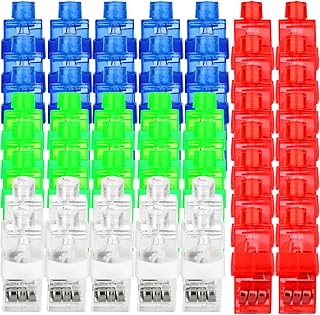 60Pcs LED Finger Lights Flashlights for Kids Glow Party Favors Birthday Christmas Halloween Supplies
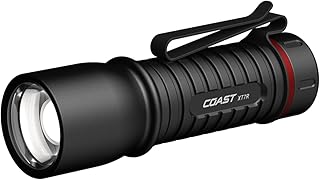 XT7R 1500 Lumen Rechargeable LED Flashlight with Magnetic Mount, Slide Focus, and Pocket Clip, Black
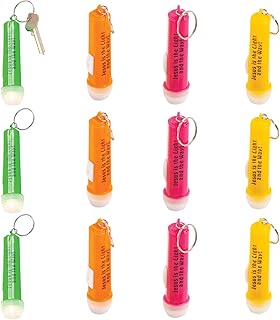 Express Jesus is The Light Flashlight Key Chains (Set of 12) Religious Party Supplies - VBS 2026 Vacation Bible School Supplies/Decor
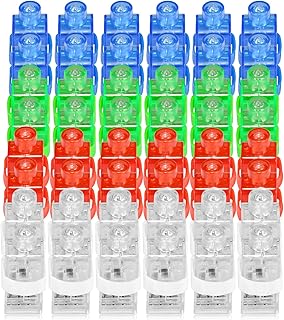 CADE ELECTRONIC Finger Lights- 50Pcs Finger Flashlights for Kids-Bachelorette Party Favors - Party Supplies for Parties Cheering Novelty Toys for Kids, Adult