Introduction: Why the right flashlight choice matters
For importers, wholesalers, distributors and project contractors, selecting the right flashlight product mix affects margins, returns and customer satisfaction. Flashlight demand spans safety, security, industrial maintenance, emergency preparedness and consumer markets. This guide explains the technical specifications, compliance requirements, supply chain considerations and commercial terms you should evaluate when qualifying a flashlight supplier or building a private‑label range.
Core technical specifications buyers must evaluate
Understanding the key performance metrics helps you match product features to end‑use and pricing tiers.
Lumens, beam pattern and beam distance
Lumens measure total light output; useful for category positioning (e.g., 50–300 lumens for everyday carry, 500–2000+ lumens for tactical/industrial). Beam pattern and candela determine usable distance and hotspot intensity — consider candela values and declared beam distance for search and rescue or security applications.
Runtime and output management
Runtime depends on battery type and output mode. Look for clear runtime specs at specific output levels (e.g., high mode runtime of 2 hours, medium mode 8 hours). Intelligent drivers that regulate output can extend usable runtime and protect LEDs.
Battery chemistry and user expectations
Common options are disposable alkaline, rechargeable NiMH, and lithium‑ion (protected/unprotected 18650/21700). Rechargeable integrated solutions (USB charging) are increasingly popular. For global sales, consider availability and shipping restrictions of lithium batteries and the preferences of your distribution channels.
Durability: materials, ingress protection and impact resistance
Housing material affects weight and cost: anodized aircraft‑grade aluminum for premium and tactical units, polycarbonate or reinforced polymer for consumer and budget ranges. Specify IP ratings for water and dust ingress (IP65/IP67/IP68) and IK ratings for impact when required. For professional markets, MIL‑STD‑810 shock and vibration tests are often requested.
Design and user features that drive demand
Switch types and modes
Tactical tail switches, forward clicky switches and rotary switches deliver different user experiences. Momentary‑on, strobe, SOS and multi‑level dimming are common. Assess which modes appeal to your target segments: contractors may prioritize simple on/off and high lumen output; security clients may require strobe and momentary functions.
Size, weight and ergonomics
Form factor choices range from keychain micro flashlights and pocket EDC models to large searchlights. Weight and balance affect comfort during extended use; consider grip texture, anti‑roll features and belt/clips for field use.
Mounting, accessory ecosystem and modularity
Some buyers prefer models compatible with headlamps, weapon mounts or bike mounts. Accessory availability — holsters, diffusers, magnetic bases, and rechargeable battery kits — increases average order value for distributors.
Certifications, safety and regulatory compliance
Global buyers must verify regulatory requirements early in sourcing to prevent delays and additional costs.
Electrical and electronic compliance
CE marking and UKCA for EU/UK markets, FCC for radio/emissions if wireless charging or Bluetooth is integrated, and regional EMC testing may apply. Lighting safety and electromagnetic compatibility should be part of the test plan.
Battery transport and safety
Li‑ion batteries require UN38.3 certification for air transport and specific packaging and labeling under IATA/IMDG rules. Know whether batteries are shipped inside devices (PI966/PI967 exemptions) or separately, as this affects logistics and carrier choices.
Environmental and chemical standards
RoHS compliance for hazardous substances and WEEE directives for end‑of‑life disposal in some regions may apply. Verify supplier test reports for regulated markets.
Quality control, testing and documentation buyers should require
Robust QC reduces returns and reputational risk. Ask suppliers for documented test results and sample validations before bulk orders.
Recommended tests
- Photometric testing (integrating sphere) to verify lumens and candela.
- Runtime and thermal testing under controlled loads to confirm driver behaviour.
- Drop and impact testing to validate IK or internal shock data.
- IP water/dust ingress testing (e.g., IPX7 immersion) for outdoor models.
- Battery cycle testing and overcharge/short circuit protection verification.
- EMC testing if product includes wireless communication or electronic charging circuitry.
Documentation to request
Factory test reports, component certificates, bill of materials, conformity declarations, UN38.3 battery test reports, photometric reports and inspection checklists. Maintain an audit trail for regulatory compliance and customer support.
Commercial and supply chain considerations
Beyond product specs, practical procurement terms determine profitability and time‑to‑market.
Minimum order quantities and production capacity
Negotiate MOQ based on SKU complexity and tooling requirements. For OEM/ODM lines, MOQ will be higher due to tooling and customization. Ask about the supplier's monthly output capacity, lead times for mass production and contingency plans for peak seasons.
Sample policy and pre‑production validation
Insist on functional and type samples before placing production orders. Confirm that production units match approved samples and photometric results. Consider third‑party lab validation for key claims.
Packing, labeling and retail readiness
Define packaging preferences: bulk cartons for wholesalers, retail packaging with UPC/EAN codes, multilingual manuals, and private‑label options. Clarify country‑of‑origin marking, barcode requirements and palletization standards for efficient warehouse handling.
Pricing structure and margin planning
Request tiered pricing for volume bands and consider total landed cost, including customs duties, battery surcharges, inspection fees and freight. Evaluate carrier options and trade terms (EXW, FOB, CIF) to optimize cash flow and delivery reliability.
After‑sales support, warranty and returns
A clear warranty and returns policy mitigates risk for distributors and contractors supplying end clients.
Warranty terms
Standard warranties range from one to five years depending on product class. Confirm whether warranty covers batteries, LED degradation, and water damage. Define repair vs replacement processes and turnaround times.
Spare parts and repair network
Availability of spare parts (O‑rings, switches, charging ports) and repair services reduces long‑term returns and supports larger projects. For high‑volume contracts, discuss dedicated service agreements or remanufacturing options.
OEM/ODM and private label opportunities
Manufacturers often offer customization that helps differentiate your product range. Typical services include cosmetic branding, custom packaging, firmware modifications, and specific accessory bundles.
Design considerations for private label
Balance uniqueness with cost: color, laser engraving, and small PCB changes are lower cost; tooling changes for new housings or optics are higher cost and require higher MOQ. Plan SKU rationalization to avoid inventory fragmentation.
Supplier evaluation checklist: what to ask and verify
- What are standard lumens, candela and runtime numbers for each model, with test reports?
- Which battery chemistries are used and what UN38.3 documentation exists?
- What IP, IK or MIL‑STD test reports can you provide?
- What are MOQ, lead time and monthly production capacity?
- Do you offer OEM/ODM, private labeling and packaging customization?
- What warranty terms and after‑sales support are provided?
- Can you provide third‑party lab test results and sample approval processes?
- How do you handle returns, RMA processes and repair logistics?
Procurement checklist for placing your first order
- Approve final technical specification sheet and photometric reports.
- Validate battery shipping method and confirm carrier compliance with UN regulations.
- Confirm packaging, labeling and retail barcode requirements.
- Agree MOQ, price breaks, lead time and payment terms in writing.
- Obtain pre‑production sample and sign off before tooling or mass production.
- Arrange third‑party inspection at final inspection stage if required.
- Plan for spare parts and establish RMA workflow.
Selecting a long‑term manufacturing partner
For repeat orders and larger projects, prioritize partners who combine product expertise with reliable supply chain management. Evaluate their engineering support, ability to scale production, responsiveness and quality assurance systems. A strategic partner reduces lead times and supports product improvement over time.
How JECTE supports global buyers
As a lighting manufacturer and industrial supply partner, JECTE works with importers, wholesalers, distributors and contractors to define product specs, manage compliance testing and optimize packaging and logistics. Buyers benefit from sample validation, OEM/ODM capabilities, production oversight and coordinated shipping for battery‑containing products. JECTE can assist with test documentation, inspection coordination and ongoing product improvement to align with market needs.
Conclusion
Buying the right flashlight range requires attention to performance metrics, battery and safety regulations, quality controls, and commercial terms. Global buyers should demand clear photometric and battery test data, confirm compliance with transport and electrical standards, and negotiate MOQs and lead times based on realistic forecasts. Working with an experienced manufacturer and supply partner can simplify compliance, reduce risk and accelerate time to market for private label and branded flashlight product lines.
Quick action items for buyers
- Request sample units and photometric reports before ordering.
- Confirm UN38.3 and shipping methods for lithium batteries.
- Define packaging and labeling requirements up front to avoid rework.
- Include third‑party inspection clauses for initial bulk orders.
Use this guide to structure supplier conversations, technical evaluations and procurement checklists. A thorough approach reduces returns, protects margins and ensures the flashlight products you import and distribute meet end‑user expectations globally.
Related Products
Explore related products from JECTE for your next sourcing project.
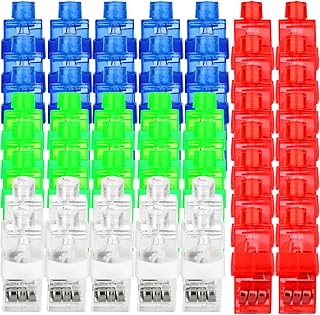 60Pcs LED Finger Lights Flashlights for Kids Glow Party Favors Birthday Christmas Halloween Supplies
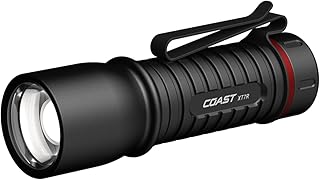 XT7R 1500 Lumen Rechargeable LED Flashlight with Magnetic Mount, Slide Focus, and Pocket Clip, Black
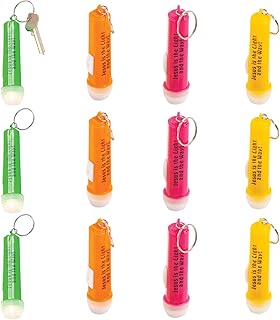 Express Jesus is The Light Flashlight Key Chains (Set of 12) Religious Party Supplies - VBS 2026 Vacation Bible School Supplies/Decor
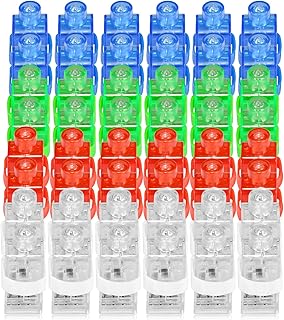 CADE ELECTRONIC Finger Lights- 50Pcs Finger Flashlights for Kids-Bachelorette Party Favors - Party Supplies for Parties Cheering Novelty Toys for Kids, Adult