Introduction: why this flashlight buying guide matters
For importers, wholesalers, distributors and contractors, buying flashlights is more than choosing a bright model. A successful procurement balances performance, reliability, regulatory compliance and supply-chain realities. This guide explains the technical specifications, regulatory checkpoints, manufacturing and logistics considerations you need when sourcing flashlights at scale. JECTE is a lighting manufacturer and industrial supply partner that can support specification, sampling, production and compliance for global buyers.
Key flashlight categories and market applications
Understanding end-use helps define required features and certifications. Common categories include:
- Everyday carry (EDC) and consumer flashlights: compact, pocketable, trade-friendly retail packaging.
- Tactical and law-enforcement flashlights: high output, strobe, ruggedized housings, weapon mounts.
- Industrial and trades: long run-time, impact-resistant, IP-rated for construction, electrical and plumbing crews.
- Search, rescue and outdoor: high-lumen throw, long beam distance, multiple modes and rechargeable systems.
- Hazardous-area/ATEX/IECEx: intrinsically safe designs for explosive atmospheres in oil & gas, mining and chemical plants.
- Diving/underwater: specialized O-rings, pressure-rated housings, corrosion-resistant materials.
Core performance specifications buyers must compare
Use consistent metrics to compare models. The ANSI/PLATO FL1 standard is the industry baseline for flashlights and measures lumen output, beam distance, peak beam intensity (candela), run time, water resistance and impact resistance. Ask suppliers for FL1 test reports.
- Lumen output: total light emitted. Match lumen level to application (EDC: 200–1,000 lm; tactical/search: 1,000–5,000+ lm).
- Beam distance and candela: how far the beam reaches. Important for search/rescue and security work.
- Run time: realistic run time at specified mode; note manufacturers often quote lowest mode times.
- Color temperature and CRI: affects visual perception. 5000K–6500K is common; higher CRI matters when color rendering is important.
- Strob e and auxiliary modes: useful for signaling, but can affect battery life and user safety.
Battery systems and charging options
Battery choice drives cost, logistics and customer experience. Consider rechargeable Li-ion for professional and high-end models, and alkaline for low-cost disposables.
- Alkaline (AA/AAA): low upfront cost, easy to stock, but shorter runtimes and wasteful in high-use scenarios.
- NiMH rechargeable: common in consumer-grade units, safer for air shipping than high-capacity Li-ion.
- Li-ion (18650/21700 and proprietary cells): preferred for high performance and long runtimes. Requires careful handling in shipping and compliance (UN38.3).
- Integrated batteries with USB-C or magnetic charging: growing demand for convenience. Verify charge-cycle ratings and charging IC safety.
- Spare batteries and charging accessories: important cross-sell items for distributors.
Durability: materials, ingress protection and standards
Buyers must match build quality to application. Typical materials include aviation-grade aluminum, stainless steel, polymer blends and corrosion-resistant finishes.
- Housing materials: 6000/7000 series aluminum is common for strength and thermal management; anodized finishes resist corrosion and wear.
- Ingress protection (IP) rating: IPX4 to IP68. For outdoor and industrial use, target at least IPX7 (temporary immersion) or IP68 (continuous immersion).
- Impact resistance: FL1 includes drop testing; military standards such as MIL-STD-810G add credibility for rugged applications.
- Corrosion testing: salt-spray reports are relevant for marine and coastal markets.
Optics, LEDs and thermal management
Optics and LED selection shape beam pattern and efficiency.
- LED types: high-power LEDs from recognized manufacturers (e.g., Cree, Nichia, Osram) deliver predictable performance and longevity.
- Optics: reflectors create throw; TIR (total internal reflection) lenses enable smoother flood patterns and compact designs.
- Thermal management: heat sinks, aluminum bodies and phosphor coatings maintain lumen output and protect LEDs from thermal runaway.
- Rated LED lifetime: typically 50,000 hours or more—ensure manufacturers provide life testing methods.
Safety, regulatory and transport compliance
Global buyers must verify compliance to avoid shipment delays or legal exposure. Key areas:
- Electrical and EMC: CE for Europe, FCC for US electronics, and local safety marks depending on market.
- Hazardous materials and batteries: lithium batteries trigger UN38.3 testing and dangerous-goods (DG) shipping requirements. Some carriers require additional documentation and packaging standards.
- RoHS and REACH: material compliance for lead, cadmium and restricted substances in Europe and other regions.
- ATEX/IECEx for explosion-proof flashlights used in hazardous areas.
- Third-party testing: UL, Intertek, SGS test reports strengthen market acceptance and reduce risk.
Supply chain, manufacturing and quality control
Large-scale procurement depends on supplier capabilities beyond product specs.
- Minimum order quantities (MOQ) and lead times: negotiate MOQs that match inventory strategy. Typical electronics MOQs vary by model and customization level.
- Quality assurance: request AQL inspection plans, functional tests, burn-in processes, and FL1 or equivalent performance verification.
- Factory audits and social compliance: good manufacturing practices and ethical sourcing documentation can be required for government and institutional contracts.
- After-sales support: spare parts availability, repair or replacement programs, and warranty terms reduce downstream costs.
- Production scalability: confirm capacity for seasonal spikes or multi-year contracts.
Customization and private-label options
Wholesalers and distributors often require branded products and tailored packaging. Typical customization options include:
- Branding: laser engraving, printed logos and custom color anodizing.
- Packaging: retail-ready blister packs, bulk boxes or customized cartons with multilingual labels and compliance marks.
- Hardware: custom clips, holsters, pressure-switch cables for weapon-mounted models, or accessory kits.
- Firmware and UI: custom mode programming, operator-friendly interfaces and lockout features for shipping.
- ODM possibilities: collaborate on unique housings, optics, or battery systems to differentiate in local markets.
Pricing drivers and total cost of ownership
Price per unit is only part of the cost picture. Consider these drivers when comparing supplier offers:
- Bill of materials: LED brand, battery chemistry, charger complexity and housing material have the highest cost impacts.
- Testing and certification costs: factor in one-time testing fees and recurring compliance expenses for new markets.
- Warranty and returns: broader warranties increase supplier liability but reduce buyer risk.
- Logistics and duties: battery shipments often attract higher freight charges and special handling fees.
- After-sales parts and repair: availability of chargers, lenses and spare batteries affect lifecycle costs.
Logistics and packaging recommendations for global shipments
Efficient, compliant logistics improve margins and reduce delays.
- Battery handling: separate packaging and correct DG documentation are mandatory for air transport. For Li-ion batteries, follow IATA ICAO provisions and carrier-specific rules.
- Palletization and labeling: consolidated pallet builds, clear content lists, and HS codes speed customs clearance.
- Sample shipments: use courier services that accept DG packages for quick pre-production testing in target markets.
- Warehouse-ready packaging: offer both retail and bulk configurations to support distributors and project contractors.
How to evaluate and select a flashlight manufacturing partner
Choosing the right supplier determines long-term success. Ask prospects for:
- FL1 and lab reports for representative models; third-party verification increases trust.
- UN38.3 and battery manufacturer documentation when Li-ion is used.
- Factory capabilities: CNC machining, anodizing, injection molding, PCB assembly and burn-in facilities.
- Sample policy and lead times for pilot orders and mass production runs.
- References from other distributors or contractors, and examples of past OEM/ODM projects.
Case example: typical procurement checklist
Use this checklist when requesting quotes and samples:
- Required lumen range and beam distance (FL1 standard values).
- Primary battery type and whether integrated charging is needed.
- Target IP rating and drop resistance.
- Necessary certifications for target markets (CE, FCC, RoHS, ATEX/IECEx if applicable).
- Customization requests: branding, packaging, accessories.
- MOQ, lead time, sample availability and price breaks for quantities.
- Warranty terms, repair policy and spare-part pricing.
Working with JECTE: what global buyers can expect
JECTE supports importers, wholesalers, distributors and contractors with turnkey manufacturing and supply-chain services. Services commonly requested include specification development, sampling, FL1 and battery testing coordination, customized packaging, and long-term supply agreements with scalable production. JECTE can assist with logistics planning for battery shipments and regulatory documentation to streamline market entry.
Final recommendations
When sourcing flashlights, prioritize verified performance data (FL1), clear battery and shipping compliance, robust QA processes, and supplier transparency on MOQ and lead times. For professional and project applications, invest in models with proven thermal design, reputable LED and battery suppliers, and available spare parts. Partnering with a manufacturer that offers custom options and handles regulatory complexity reduces risk and shortens time to market. Contact JECTE to discuss specification, sampling and production options for flashlight lines tailored to your markets.
Next steps for buyers
Prepare a one-page brief with target specs (lumens, battery type, IP, certifications, MOQ) and request preliminary quotes and FL1 test data. Evaluate at least two suppliers, verify third-party testing, and plan for a pilot order to validate performance in your target markets before committing to large volume orders.
Related Products
Explore related products from JECTE for your next sourcing project.
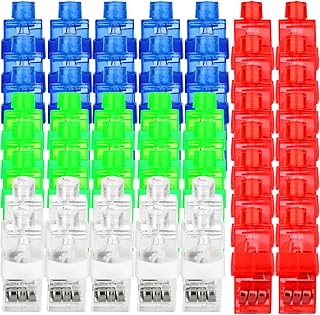 60Pcs LED Finger Lights Flashlights for Kids Glow Party Favors Birthday Christmas Halloween Supplies
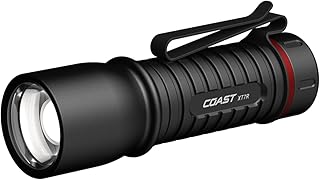 XT7R 1500 Lumen Rechargeable LED Flashlight with Magnetic Mount, Slide Focus, and Pocket Clip, Black
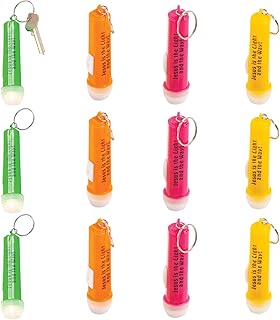 Express Jesus is The Light Flashlight Key Chains (Set of 12) Religious Party Supplies - VBS 2026 Vacation Bible School Supplies/Decor
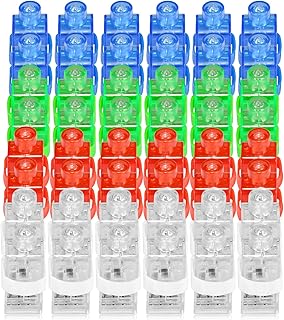 CADE ELECTRONIC Finger Lights- 50Pcs Finger Flashlights for Kids-Bachelorette Party Favors - Party Supplies for Parties Cheering Novelty Toys for Kids, Adult