Overview: Why a buying guide matters for flashlight buyers
Flashlights remain an essential product line for lighting importers, wholesalers, distributors and project contractors. The market has evolved rapidly: LED technology, rechargeable battery systems, and stricter performance standards now determine commercial success. This guide helps procurement teams evaluate technical specs, regulatory requirements, manufacturing options and commercial terms so you can source flashlights that meet end-customer expectations and margin goals.
How to approach a flashlight purchase
For B2B buyers the decision is about matching product capability to customer needs while minimizing risk. Start by defining the primary use cases (EDC, tactical, industrial, search/area lighting), target markets, target price points and any mandatory certifications. Use that brief to screen manufacturers, request FL1 test data, and evaluate sample units under a defined test protocol.
Key specifications to evaluate
Lumen output and beam pattern
Lumens measure total light output; beam pattern (spot, flood, or combo) determines application. For general categories:
- Everyday Carry (EDC): 100–1,000 lumens with a balanced beam.
- Tactical/search: 1,000–4,000+ lumens with a focused throw and defined hotspot.
- Work/industrial: 300–3,000 lumens with wide flood or adjustable head.
Runtime and battery type
Runtime is often the most important operational metric. Consider battery chemistry and availability in your target market. Common options:
- Alkaline (AA/AAA): low cost, widely available, but shorter runtime.
- Li-ion rechargeable (18650, 21700, protected/unprotected): high energy density and preferred for high-output models.
- CR123A and CR2: used in tactical lights; non-rechargeable with high shelf life.
- Integrated Li-ion with USB-C or proprietary charging: convenient but requires shipping and safety care.
Beam distance and candela
Beam distance (meters) and candela describe the concentration of light. High candela and throw distance are key for search and tactical models; lux and uniformity are more relevant for area lights.
Size, weight and ergonomics
Size impacts stocking, shipping and end-user adoption. EDC lights must be compact and pocketable. Work lights should offer secure grips, hanging/magnetic features, and balanced weight for prolonged use.
Standards and certifications to require
Request documented evidence from suppliers. Key certifications and standards for B2B buyers include:
- ANSI/NEMA FL1 standard: standardized metrics for lumens, beam distance, runtime, impact resistance and water resistance—critical for objective comparisons.
- IP ratings (e.g., IPX4, IP67): ingress protection against water and dust.
- IK impact ratings for mechanical shock in industrial environments.
- CE and RoHS for EU market compliance; UKCA for the UK.
- UL or IEC 62133 for battery safety and transportability when using lithium-ion cells.
- ATEX/IECEx for intrinsically safe/explosion-risk areas.
Durability and material choices
Material selection affects cost and durability. Common choices:
- Aluminum alloy (anodized): excellent thermal conductivity and robust; common for tactical and professional models.
- Stainless steel components: used for bezels or clips for extra wear resistance.
- High-impact polycarbonate or polymer: lighter and lower cost; useful for consumer and some industrial models where chemical resistance is required.
Evaluate thermal management systems (heatsinks, fins) for high-output lights to maintain LED lifespan and consistent output.
LEDs, drivers and light quality
LED chip and driver technology determine efficiency, color rendering and reliability.
- LED brands: Cree, Nichia and Samsung are common; Nichia often has higher color rendering index (CRI) options.
- Drivers: constant-current drivers deliver stable output and battery protection. Beware of PWM-driven low-cost drivers that may cause flicker and inconsistent runtimes.
- Color temperature and CRI: 5000K–6500K is common for bright white; higher CRI (80+) is preferred for inspection/work lights.
Charging and battery safety
USB-C fast charging and onboard battery management are now mainstream. For B2B buyers, confirm:
- Battery protection (overcharge, over-discharge, short-circuit) and compliance to IEC 62133/UN38.3 for shipment.
- Interchangeability: can the unit take generic 18650/21700 cells or proprietary packs only?
- Spare parts and replacement cells availability for aftermarket/service.
Product features and user experience
Differentiate based on practical features that influence purchase decisions and returns:
- Operating modes (high/medium/low/strobe/SOS) and mode memory behavior.
- Tailcap or side switches: tactical users often prefer tail switches; general users may prefer side switches with lockout functions.
- Mounting options: magnetic bases, belt clips, head straps and attach points for professional use.
- Indicators: battery level indicators, charging LEDs, and thermal warnings improve user confidence.
Sourcing, MOQ and customization
When sourcing from manufacturers like JECTE, clarify the following commercial terms early:
- Minimum order quantity (MOQ) for stock models and for private-label/custom builds.
- Tooling and setup fees for customized housings, colors, or branded electronics.
- Lead times for samples and mass production; typical production lead time for custom flashlights ranges from 8–16 weeks depending on complexity.
- Packaging options and barcoding/labeling requirements for your distribution channels.
Quality control and testing checklist
Institute a standard inspection and testing protocol to reduce post-delivery defects:
- Pre-production sample approval (PPS) with FL1 test reports and photos/videos of lighting characteristics.
- First Article Inspection (FAI) and production-line quality checks for soldering, seals, and battery protection circuits.
- Batch testing for output consistency, runtime, thermal performance and IP testing for random samples.
- Drop and impact testing to verify claimed IK/impact ratings.
Logistics, packaging and after-sales
Plan logistics and after-sales support to protect margins and brand reputation:
- Freight terms (FOB, CIF, DDP) and lead-time buffers for peak seasons.
- Customs documentation and battery transport regulations (UN3480/UN3481 for lithium-ion cells) — confirm supplier can provide tested and labeled batteries where applicable.
- Repair and replacement parts availability and lead times for warranty claims.
- Service level agreements (SLAs) for defective units, including RMA and return shipping process.
Pricing factors and margin optimization
Key cost drivers that affect unit price:
- LED and battery quality: premium cells and LEDs increase cost but reduce returns and warranty claims.
- Housing material and machining: CNC aluminum and anodizing are costlier than injection-molded polymer.
- Certifications and testing: FL1 tests, UL/IEC, ATEX certifications add upfront cost but expand market access.
- Packaging and accessories: inclusion of spare O-rings, holsters, lanyards and branded boxes increases perceived value.
Sample specification template (use for RFQs)
- Model category and intended application.
- Target lumen output (ANSI FL1) and beam type (spot/flood/combo).
- Battery type and runtime requirements (include measured FL1 runtime where available).
- Ingress and impact rating requirements (IP and IK levels).
- Preferred LEDs and CRI or CCT specs.
- Required certifications and testing documentation.
- MOQ, pricing target, lead time and packaging needs.
- Warranty period and after-sales support terms.
Choosing a manufacturing partner
Work with a partner that can support your technical and commercial needs. A robust supplier will provide:
- Transparent FL1 test data and access to independent labs if requested.
- Capability for customization and private labeling with reasonable MOQs.
- Battery management and safety expertise to ensure compliance with transport and market regulations.
- Quality systems (ISO 9001) and documented production testing procedures.
Final recommendations for buyers
1) Specify requirements in detail before requesting quotes; the clearer your spec the better the price and lead time. 2) Always ask for ANSI/NEMA FL1 test results and battery safety documentation. 3) Order functional samples and perform field tests tailored to your customers' use cases. 4) Build contingency into lead times for certifications and tooling. 5) Define post-sale support and warranty processes before mass ordering.
Why choose JECTE as your flashlight partner
JECTE combines lighting manufacturing experience with industrial supply expertise to support global buyers. We provide custom engineering, FL1 testing support, battery safety management and flexible MOQ options to suit importers, wholesalers, distributors and contractors. Contact JECTE to discuss sample orders, private-label opportunities, and full production plans tailored to your markets.
Next steps
Use the sample specification template above to create your RFQ and contact suppliers with explicit testing and certification requests. Prioritize suppliers who provide traceable test data, warranty support and clear battery safety procedures to reduce regulatory and commercial risk.
Related Products
Explore related products from JECTE for your next sourcing project.
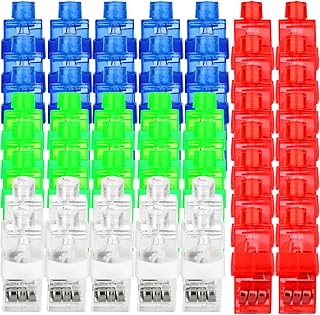 60Pcs LED Finger Lights Flashlights for Kids Glow Party Favors Birthday Christmas Halloween Supplies
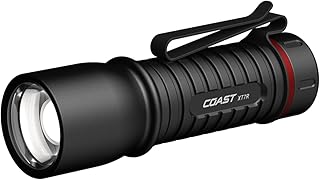 XT7R 1500 Lumen Rechargeable LED Flashlight with Magnetic Mount, Slide Focus, and Pocket Clip, Black
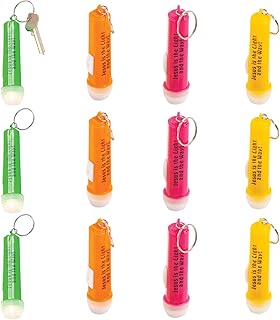 Express Jesus is The Light Flashlight Key Chains (Set of 12) Religious Party Supplies - VBS 2026 Vacation Bible School Supplies/Decor
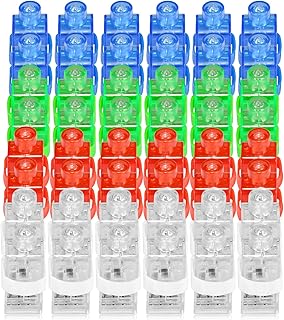 CADE ELECTRONIC Finger Lights- 50Pcs Finger Flashlights for Kids-Bachelorette Party Favors - Party Supplies for Parties Cheering Novelty Toys for Kids, Adult