Overview: Why flashlight selection matters for commercial buyers
Flashlight demand is strong across industrial, municipal, security, maritime, construction and retail markets. For importers, wholesalers, distributors and project contractors, the right flashlight choice affects safety outcomes, warranty costs, return rates and long-term customer satisfaction. This guide helps procurement professionals evaluate core specifications, certifications, sourcing logistics and supplier capabilities so you can buy flashlights that meet application needs and commercial requirements.
Key use cases and buyer priorities
Identify primary end-use applications before selecting models. Typical commercial priorities include:
- Industrial and construction: durability, runtime, visible beam for task lighting.
- Emergency services and security: maximum reliability, tail-switch controls, long-range beams.
- Retail and consumer resale: attractive packaging, competitive price, diverse SKUs.
- Maritime and outdoor: corrosion resistance, waterproofing and specific safety certifications.
- Project contracting: bulk delivery, consistent quality, on-site spares and fast replenishment.
Core technical specifications to evaluate
These metrics drive performance and sales suitability. Request datasheets and test reports from suppliers for each model under consideration.
- Lumens: total luminous output. For industrial uses, typical ranges are 200–2,000 lm depending on task.
- Beam distance and hotspot: measured in meters. Security and search roles require long throw (>200 m).
- Intensity (candela): critical for evaluating concentrated beam performance.
- Runtime: hours at specified output levels. Look for clear runtime curves at high/medium/low modes.
- Light modes and control: single/multi-mode, SOS/ strobe functions, and memory modes.
- Size and weight: important for hand-held, belt-mounted or headlamp configurations.
- Color temperature and CRI: neutral white (4000–5000K) for task clarity; CRI >70 for color rendering.
Power sources and batteries
Choosing the right battery system affects operating cost, dispatch logistics and regulatory handling.
- Primary cells (alkaline): cheap and globally available, but lower energy density and waste generation.
- Rechargeable NiMH: reliable for frequent use, less regulatory shipping burden than lithium.
- Lithium-ion (integrated or 18650/21700 cells): higher energy density, lighter weight, programmable runtime, commonly used in high-performance flashlights.
- Battery certification and shipping: lithium batteries must meet UN38.3 for air transport. Verify supplier provides compliant documentation.
- Spare battery availability: for aftermarket and replacement demand, prefer standard cell sizes or easily sourced proprietary packs with clear ordering codes.
Charging options and electronics
Modern flashlights often include built-in charging and intelligent battery management. Evaluate charging features based on buyer needs.
- USB-A/USB-C charging: universal convenience for end users and contractors on-site.
- Magnetic or proprietary docks: useful for vehicle or station installations but require extra accessories.
- Fast-charging capability: reduces downtime but ensure thermal management and battery longevity.
- Protection features: overcharge, over-discharge, short-circuit, reverse polarity protection.
Durability, ingress protection and materials
Robustness is often a top specification for commercial buyers. Ask for test evidence and real-world performance data.
- Housing material: anodized aluminum is standard for balance of weight and strength. Stainless steel and polymer blends are alternatives for corrosion resistance.
- Impact resistance: drop-tested to specified heights (e.g., 1–2 meters). Higher-impact ratings reduce warranty claims for rugged work environments.
- IP rating: IPX4 protects from splashes; IP67 offers dust-tight and temporary immersion protection; IP68 covers continuous immersion—choose based on application.
- Sealing and lens type: tempered glass or polycarbonate lenses with anti-reflective coatings improve durability and beam performance.
Safety, compliance and certifications
Certification ensures legal compliance in target markets and peace of mind for buyers and end users.
- CE and RoHS: required for EU market access and hazardous substances compliance.
- FCC/EMC: required for US electronic compliance in some cases.
- UN38.3: mandatory for air transport of lithium batteries.
- ATEX / IECEx: necessary for flashlights intended for hazardous or explosive atmospheres (mining, petrochemical).
- Marine standards: look for IP ratings and corrosion-resistant materials for maritime applications.
- UL or other national safety marks: requested in many institutional procurement tenders.
Design, ergonomics and user features
End-user adoption and satisfaction hinge on intuitive controls and practical ergonomics.
- Switch type and placement: tail switches for one-handed operation, side switches for mode control, rotary heads for flood-to-spot focus.
- Belt clips, lanyards and holsters: consider accessories required for distribution or project use.
- Mounting options: helmet clips, tripod threads or rail mounts for specialized industrial uses.
- Anti-roll features and textured grips: small design details reduce loss and improve handling.
Logistics, packaging and commercial terms
Efficient supply chain planning reduces landed cost and improves margins. Confirm the following with suppliers:
- Minimum order quantities (MOQ) and price breaks for volume tiers.
- Standard packaging vs retail-ready packaging: retail channels typically need blister or branded boxes.
- Lead times: sample lead times, production lead times, and contingency planning for peak seasons.
- Incoterms, freight options and consolidation capabilities for multi-SKU shipments.
- Spare parts and accessory supply: chargers, spare o-rings, lenses and batteries.
Quality control, testing and after-sales support
Buyers should require clear QC processes and after-sales agreements to protect their business interests.
- Factory Quality Standards: ask for ISO 9001 or documented QC workflows, including sample inspection reports and production audits.
- Testing reports: photometric tests, IP and drop-test certificates, battery cycle-life data.
- Warranty terms: standard commercial warranties, extended warranty options, and RMA processes.
- Spare stock and repairability: availability of repair centers or return-to-factory service for higher-value products.
Pricing strategy and total cost of ownership
Compare supplier quotes beyond unit price. Consider the total cost of ownership (TCO):
- Unit cost vs projected returns and failure rates. A lower price can lead to higher warranty and replacement costs.
- Operating costs: battery replacements, charging infrastructure and maintenance.
- Packaging and marketing costs for retail channels.
- Tariffs and import duty considerations in destination markets.
Customization and private-label opportunities
As a manufacturer and industrial partner, JECTE offers customization to meet buyer and project needs. Consider options such as:
- Branding: laser-etch or printed logos, custom color finishes, and retail packaging design.
- Firmware and mode programming: custom mode sets, lockout features, and power-saving defaults for fleet deployments.
- Accessory bundles: include holsters, spare batteries, or charging docks to increase average order value.
- Regulatory or market-specific modifications: e.g., ATEX-certified versions or localized power adaptors.
Sustainability and end-of-life handling
Environmental and regulatory pressure is increasing. Buyers should evaluate supplier sustainability practices and end-of-life options:
- Energy-efficient LEDs and higher battery cycle life reduce lifecycle impacts.
- Recyclable materials and reduced single-use plastics in packaging.
- Battery take-back programs and clear disposal instructions for end users.
Procurement checklist for ordering flashlights
Use this checklist when requesting quotes and approving samples:
- Define target applications and user requirements (lumens, runtime, IP rating).
- Obtain photometric and battery test reports for each model.
- Verify certifications required for target markets (CE, RoHS, UN38.3, ATEX/IECEx if needed).
- Confirm MOQ, lead time, packaging options and price breaks.
- Request sample units and perform in-house field testing or third-party verification.
- Agree warranty, RMA and spare parts provisioning terms before signing contracts.
- Review logistic terms, Incoterms and anticipated landed costs including duties.
Working with manufacturers: negotiation and partnership tips
Long-term supplier relationships increase reliability and open opportunities for product development.
- Start with a trial order and clear KPI metrics (return rate, defect rate, on-time delivery).
- Negotiate volume-based pricing and flexible MOQs as partnerships grow.
- Ask about co-development options for market-differentiated products.
- Insist on written quality agreements and periodic factory audits.
Final recommendations and next steps
For importers, wholesalers and contractors sourcing flashlights at scale, combine technical rigor with practical supply-chain controls. Evaluate products by measured performance (lumens, runtime, beam distance) and ensure compliance with regional certifications. Factor in battery logistics, spare parts availability and after-sales services. If you need manufacturer-level support, JECTE provides product customization, documentation for regulatory compliance, and logistics coordination to help buyers reduce risk and accelerate go-to-market timelines. Begin by outlining your target applications, requested spec ranges and expected volume — then request samples and test data to validate supplier claims before committing to production orders.
Quick contact action
Compile a short request for quotation (RFQ) including target specs, desired certifications, sample request, and expected annual volume. Share your RFQ with manufacturers who can supply data sheets and test reports; schedule sample testing and agree on QC checkpoints before full production.
Related Products
Explore related products from JECTE for your next sourcing project.
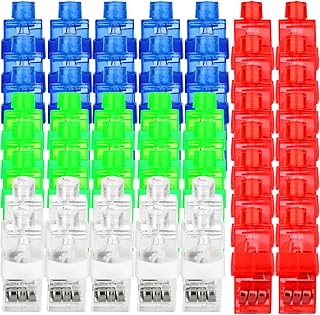 60Pcs LED Finger Lights Flashlights for Kids Glow Party Favors Birthday Christmas Halloween Supplies
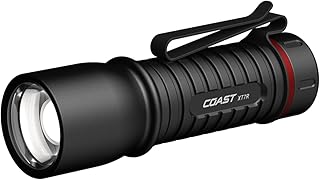 XT7R 1500 Lumen Rechargeable LED Flashlight with Magnetic Mount, Slide Focus, and Pocket Clip, Black
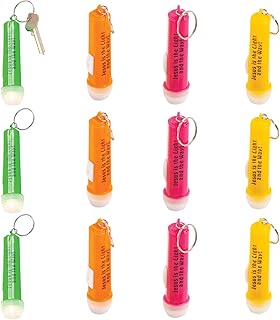 Express Jesus is The Light Flashlight Key Chains (Set of 12) Religious Party Supplies - VBS 2026 Vacation Bible School Supplies/Decor
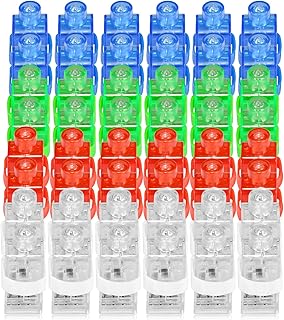 CADE ELECTRONIC Finger Lights- 50Pcs Finger Flashlights for Kids-Bachelorette Party Favors - Party Supplies for Parties Cheering Novelty Toys for Kids, Adult