Introduction: Why this flashlight buying guide matters
Flashlight demand spans consumer, industrial, security, tactical, and professional project markets. For importers, wholesalers, distributors and project contractors, selecting the right flashlight products affects margin, compliance and long-term supply reliability. This guide, prepared by JECTE — a lighting manufacturer and industrial supply partner — explains the technical specs, regulatory checkpoints, sourcing options, quality checks and logistics considerations buyers need to make informed purchasing decisions.
Understand the core flashlight types and applications
Different markets require different flashlight designs. Match form factor and feature set to end-user needs to avoid costly returns and inventory mismatches.
- Everyday carry (EDC): small, pocketable lights with good beam quality and USB charging for retail and online channels.
- Tactical/professional: durable, high-output flashlights for security, law enforcement and military use; often include strobe and tailcap switches.
- Work/inspection: flood or dual-beam lights with magnetic bases, clip or headlamps for electricians, plumbers and technicians.
- Search and rescue: long-range beams, high lumen outputs, and robust thermal management for emergency services.
- Specialty and OEM: intrinsically safe, ATEX-rated or custom-branded lights for industrial projects and procurement contracts.
Key technical specifications to evaluate
Technical clarity in product specs avoids mismatch between marketing claims and customer expectations. Request ANSI FL1–style measurements where possible.
- Lumen output: total light emitted. Match lumens to application—200–800 lm for EDC, 1000+ lm for tactical/search.
- Beam distance and candela: reported as meters under ANSI FL1; important for search/tactical use.
- Runtime: indicate how long light runs at a specified mode until lumen output drops to 10% (ANSI FL1).
- Battery type: disposable (AA/CR123A) vs rechargeable (18650, 21700, built-in Li-ion). Consider availability and freight restrictions for Li-ion batteries.
- Charging method: USB-C, micro-USB, wireless. USB-C with PD/fast-charge is increasingly preferred for modern fleets.
- Beam pattern: flood, spot, or combination. Provide candela and lux maps for distributors selling technical products.
- Water and dust protection (IP): IPX4 for splash resistance, IPX7/IPX8 for immersion — specify exact rating.
- Impact and ruggedness: drop height (meters), material (aircraft-grade aluminum, polycarbonate), and any IK or MIL-STD claims.
- Operating temperature: crucial for industrial and cold-climate deployments.
- Weight and dimensions: shipping and shelf footprint concerns for bulk buyers.
Certifications, safety and compliance
Regulatory compliance affects market access and ease of sale. Make these documents standard requirements in RFQs.
- CE and RoHS: required for EU markets to indicate electrical safety and hazardous substances compliance.
- FCC: if the flashlight includes wireless or radio components in the US market.
- UN38.3 and IATA/ICAO: mandatory for shipping lithium-ion batteries by air. Ensure correct documentation for packed-with-equipment or spare batteries.
- UL/cETL: for battery chargers and some electronic components; important for North American distributors.
- ATEX/IECEx: for intrinsically safe lights used in explosive atmospheres—required in oil, gas and certain industrial projects.
- ANSI/NEMA FL1: industry standard for performance metrics. Request FL1 test reports where available.
Quality control and testing buyers should require
Insist on documented quality procedures and objective test reports to reduce product failures and returns.
- Pre-production sample (PPS): validate design, finishes and functions before mass production.
- Production testing: 100% functional testing for switches, charging ports and LED output where feasible.
- Lumen and beam testing: integrating sphere or goniophotometer reports, with ANSI FL1 metrics.
- Battery safety tests: overcharge, short-circuit, and thermal abuse tests for rechargeable models; cell supplier traceability.
- Environmental tests: IP testing, thermal cycling, salt spray if used outdoors, and drop-tests to specified heights.
- Random sample inspection: third-party inspection (AQL) for cosmetic and functional checks during production.
Packing, labeling and retail readiness
Packaging affects shelf appeal and logistics costs. Define pack counts, SKUs and labeling early in the contract.
- Retail vs bulk: blister cards, retail boxes with retail barcodes and multilingual manuals for consumer channels; bulk poly bags or plain boxes for B2B projects.
- Labeling requirements: country of origin, CE/FCC marks, battery handling labels and WEEE information where applicable.
- Accessory kits: holsters, charging cables, spare O-rings, extra batteries and warranty cards increase perceived value and margins for resellers.
- Custom branding and private label: OEM/ODM options for logos, color finishes and packaging — negotiate artwork approvals and tooling fees ahead of time.
MOQ, pricing and cost drivers
Understand what affects unit cost so you can negotiate effectively.
- Minimum order quantity (MOQ): depends on complexity—simple plastic EDC models can have low MOQs, while machined aluminum tactical lights often require higher MOQs or higher per-unit prices.
- Tooling and custom finishes: anodizing colors, knurling and engraving add cost and may require batch minimums.
- Battery and electronics: high-quality battery cells and protection PCBs increase safety and cost but reduce warranty claims.
- Testing and certifications: lab testing, certification fees and documentation for markets add to lead time and cost.
- Volume discounts: tiered pricing is common—ask for price breaks at logical quantity thresholds (1k, 5k, 10k units).
Lead times, production planning and inventory
Plan lead times around tooling, component sourcing and testing. Include buffer for battery sourcing and certification renewals.
- Prototype and sample phase: 2–6 weeks depending on customization and sample shipping.
- Mass production: 30–90 days typical; longer if components are constrained.
- Certification lead times: add several weeks to months for new certifications or third-party lab bookings.
- Seasonality and MOQ timing: align production with demand peaks—security, emergency and gift seasons affect inventory planning.
Shipping, battery logistics and customs
Battery type dictates transport mode and documentation; plan logistics accordingly to avoid unexpected fees and delays.
- Air vs sea freight: sea is cost-effective for large volumes but slower; air requires strict compliance for lithium batteries and may incur surcharges.
- Battery shipping rules: lithium-ion batteries have specific packing instructions and may require UN testing, correct labeling and carrier approvals.
- HS codes and customs: classify correctly to prevent delays. Work with freight forwarders experienced in batteries and electronics.
- Incoterms: clarify responsibilities (FOB, CIF, DDP) up front to avoid confusion over customs clearance and duties.
After-sales support, warranties and repairability
Good after-sales policies reduce return rates and protect distribution margins.
- Warranty terms: typical warranties range from 1–5 years depending on segment and price point. Define warranty coverage for electronics, batteries and mechanical failure.
- Spare parts and service: availability of spare O-rings, switches, chargers and replacement batteries matters for project and industrial customers.
- RMA process: agree on repair vs replace policies, turnaround times and warranty enrollment procedures.
- Technical documentation: provide user manuals, MSDS for batteries and troubleshooting guides for distribution partners.
How to structure RFQs and evaluate suppliers
A clear RFQ shortens evaluation time and improves comparability between quotes.
- Specify technical requirements: lumen, beam distance, runtime, battery type, IP rating, materials and operating temperature.
- Request compliance documents: CE, RoHS, UL (if applicable), UN38.3, and ANSI FL1 test reports.
- Ask for manufacturing details: lead times, MOQ, sample policy, tooling fees, and production capacity.
- Include packaging and labeling requirements: retail vs bulk, barcode/UPC/EAN and custom artwork instructions.
- Require QC plan: production inspection, testing reports and acceptance criteria (AQL).
- Request pricing breakdown: unit cost, CIF/FOB, sample cost, tooling and volume discounts.
Market trends and value-added features to consider
Stay competitive by recognizing features gaining traction among buyers and end-users.
- USB-C charging and power bank functionality: increasingly expected across segments for convenience and compatibility.
- Smart modes and app connectivity: programmable modes and firmware updates for premium and professional lines.
- Modular accessories: magnetic mounts, diffusers and weapon/mount adapters expand SKU versatility.
- Sustainable materials and packaging: eco-friendly boxes and recyclable materials appeal to public sector and international buyers.
Working with JECTE as your flashlight manufacturing partner
JECTE supports global buyers with OEM/ODM flashlight solutions, compliance support and production scalability. We help buyers define product specifications, manage testing and certifications, and coordinate logistics for battery-containing products. Partnering early in product design reduces development time, tooling costs and certification repetition.
Buyer checklist before placing a production order
- Confirm target applications and corresponding specifications (lumens, beam, runtime).
- Obtain and review ANSI FL1 or equivalent performance reports.
- Verify battery type and shipping requirements (UN38.3 documentation if Li-ion).
- Agree on MOQ, unit price tiers, lead time and payment terms.
- Approve pre-production sample and sign off on artwork for branding and packaging.
- Request QC plan and third-party inspection options during production.
- Define warranty terms, RMA process and spare parts availability.
Well-specified flashlights paired with reliable manufacturing and logistic planning deliver stronger margins, fewer returns and better long-term customer relationships. For global buyers seeking a manufacturing partner, JECTE can provide technical guidance, production capacity and compliance support to bring flashlight lines to market efficiently and safely.
Contact JECTE to discuss OEM/ODM flashlight projects, request sample SRQs, and receive a customized quotation tailored to your distribution channels and project requirements.
Related Products
Explore related products from JECTE for your next sourcing project.
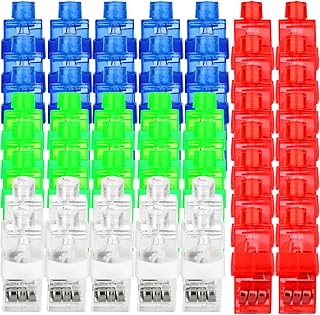 60Pcs LED Finger Lights Flashlights for Kids Glow Party Favors Birthday Christmas Halloween Supplies
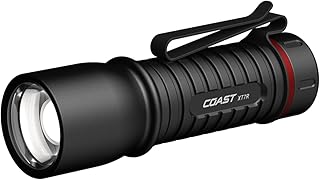 XT7R 1500 Lumen Rechargeable LED Flashlight with Magnetic Mount, Slide Focus, and Pocket Clip, Black
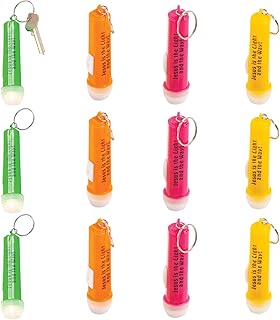 Express Jesus is The Light Flashlight Key Chains (Set of 12) Religious Party Supplies - VBS 2026 Vacation Bible School Supplies/Decor
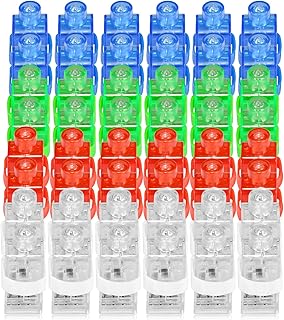 CADE ELECTRONIC Finger Lights- 50Pcs Finger Flashlights for Kids-Bachelorette Party Favors - Party Supplies for Parties Cheering Novelty Toys for Kids, Adult