Why this guide matters for B2B flashlight buyers
Flashlight is a simple product on the surface, but the specification choices you make determine reliability, warranty cost, margins and project success. For importers, wholesalers, distributors and contractors sourcing from manufacturers, a precise specification avoids costly rework, slow market entry and compliance problems. This guide explains the technical, commercial and quality considerations you should use when buying flashlights at scale.
Understand core flashlight categories and commercial use cases
Start by matching product type to your buyer or end use. Common B2B categories include:
- Everyday carry and retail EDC flashlights for consumer channels and gift lines.
- Tactical flashlights for law enforcement, security and defense contracts.
- Worksite and industrial flashlights for construction, utilities and maintenance teams.
- Inspection lights and penlights for automotive, HVAC and medical equipment servicing.
- Rechargeable floodlights and portable work lamps for contractors and emergency responders.
- Hazardous area flashlights certified to ATEX or IECEx for petrochemical and mining projects.
Key technical specs to define in every RFQ
Clear, measurable specifications reduce subjectivity and enable apples-to-apples quotes. Include these minimum parameters:
- Luminous flux in lumens (manufacturer nominal and minimum measured after 30 seconds).
- Beam characteristics: beam distance in meters at 0.25 lux, beam type (spot, flood, adjustable).
- Runtime: hours to reach 10% of initial output on each mode.
- Number and type of modes and mode spacing (low, medium, high, strobe, SOS).
- Power source: cell types supported (AA, AAA, CR123, 18650, 21700) or integrated Li-ion and charging method (USB-C, micro USB, dock).
- Battery management features: low voltage disconnect, cell reverse polarity protection, thermal regulation.
- Ingress protection IP rating (IPX4, IPX7, IP68) and impact/drop rating (1 m, 2 m, 3 m etc.).
- Materials and finish: aircraft-grade aluminium, anodizing class (Type III hard), stainless steel bezels or plastics and flame retardant ratings.
- Dimensions, weight and mounting options (clip, lanyard, magnet, helmet mount).
- Operating temperature range for your markets and applications.
- Required certifications and standards (CE, RoHS, REACH, FCC, UL, ATEX, IECEx) and marking requirements for specific territories.
LEDs, optics and performance metrics
The LED emitter and optics define light quality and efficiency. When specifying these, ask for:
- LED brand and bin: CREE, Nichia, Seoul Semiconductor, Lumileds or equivalent. Request LED binning for color temperature and forward voltage tolerance.
- Color temperature (Kelvin) and color rendering index CRI if color accuracy matters. Typical ranges: 2700K warm, 4000K neutral, 5000K daylight.
- Optic design: TIR lenses for tight beams, smooth reflectors for throw, textured reflectors for balanced flood.
- Luminous efficacy and tested lumens at defined current and temperature.
- Beam uniformity and hotspot measurements for inspection or tactical uses.
Power systems and battery logistics
Battery choice impacts cost, warranty claims and shipping logistics. Consider these commercial points:
- Disposable cells (alkaline, CR123) simplify shipping but increase lifetime cost and returns for battery failures.
- Rechargeable Li-ion (18650, 21700) offer higher performance but need battery protection circuits and correct labeling for air freight.
- Built-in rechargeable batteries with USB-C charging are popular for retail and contractor tools; specify charging current, charge time and cable/adapter inclusion.
- Spare battery and accessory supply: ensure part availability and lifecycle forecasting with the manufacturer.
- Compliant packaging and documentation for lithium batteries to meet IATA and IMDG rules if shipping by air or sea.
Durability, ingress protection and materials
Industrial and field use demands higher durability. Ask suppliers to confirm:
- IP rating tested in accordance with IEC 60529. For heavy outdoor use, IP67 or IP68 is common.
- Drop testing to defined heights per product class (e.g., 2 m for retail, 3 m for tactical, higher for heavy duty).
- Corrosion and salt spray resistance for marine or coastal projects.
- Materials and surface treatment: Type III hard anodize on aluminium bodies improves abrasion resistance.
- Sealing methods and O-ring materials compatible with temperature range and chemical exposure expected on site.
Safety, certifications and market compliance
Regulatory compliance affects market access and liability. Specify all required approvals up front:
- CE and RoHS for EU markets; EMC testing for any electronic driver that may emit interference.
- FCC for devices with radio or significant EMI in the US market.
- UL or ETL safety listings for certain North American retail or institutional customers.
- ATEX or IECEx for hazardous area flashlights; contractor projects in oil, gas or mining often require these.
- Battery transport approvals and manufacturer-provided UN 38.3 test reports for lithium cells.
Quality assurance, testing and acceptance criteria
Insist on documented test procedures and acceptance criteria. Typical tests a reliable manufacturer should run include:
- Lumen output and runtime verification using calibrated integrating spheres or goniophotometers.
- Battery cycle testing for rechargeable cells and IEC-style battery safety tests.
- IPX testing to the specified rating and post-test functional checks.
- Drop and impact tests, thermal cycling and vibration testing for transit and field reliability.
- EMC and safety testing where applicable.
Commercial terms, MOQ and lead times
Cost drivers include component quality, certification costs, customization, and packaging. Typical B2B considerations:
- Minimum order quantities: factory MOQs vary by model and customization. Expect retail-ready custom units to start at several hundred to a few thousand pieces.
- Lead times: standard models 4 to 8 weeks; custom models, certified products or new tooling 10 to 16+ weeks.
- Price breaks by quantity and component grade, negotiate tiered pricing for firm multi-year purchases.
- Tooling and dye charges for custom parts or bespoke packaging are usually one-time but may be amortized across orders.
- Incoterms: clarify who handles export documentation, battery shipping restrictions and duties.
Packaging, branding and aftermarket options
Packaging affects retail acceptance and transit damage rates. Consider:
- Retail-ready packaging options: blister, color box, clamshell or hanger cards.
- Bulk packaging for distributors: polybagged or carton-packed with master carton labeling and barcodes.
- Private label and OEM branding, laser engraving or color logo printing; request print proofs and PMS color matching.
- Accessory kits: spare O-rings, charging cables, holsters and batteries. Bundles can increase average order value.
Questions to ask a supplier before committing
Use this checklist in RFQs and supplier assessments:
- Can you provide independent test reports for lumen output, IP rating and battery UN 38.3?
- What is the LED brand, bin, and expected lifetime at rated current?
- What thermal management is used and how do you prevent thermal roll-off?
- What are typical production lead times and MOQ for private-label versions?
- Which certifications are included in the quoted price and which are extra?
- Can we visit the factory or receive production line photos and QC reports?
- What warranty terms and RMA process do you offer for commercial buyers?
Inspection and sample program recommendations
Before placing a full production order, require pre-production samples and a sample test plan:
- Approve engineering samples for fit, finish, branding and basic function.
- Run a pilot batch and inspect a statistically valid sample using AQL acceptance criteria.
- Have an independent lab verify critical claims such as lumens, runtime and IP certification if the buyer needs proof for marketing or tenders.
- Include first article inspection (FAI) and a pre-shipment inspection clause in your purchase order.
After-sales, spare parts and warranty
Long-term support reduces returns and protects brand reputation. Negotiate:
- Warranty period and failure rate targets. Typical commercial warranties range 12 to 36 months depending on market.
- Spare parts availability: bezels, switches, chargers and batteries should be stocked for several years.
- Authorized repair or replacement processes and lead times for RMAs.
- Technical training materials for resellers and service centers.
Practical spec examples to include in RFQs
- Retail EDC model: 800 lumens max, runtime 2 hours high/30 hours low, beam distance 120 m, IPX7, drop 1.5 m, 18650 replaceable cell, Type III anodize, MOQ 2,000 units.
- Tactical model: 1,500 lumens burst, 600 lumens sustained, strobe, beam distance 250 m, IP68, drop 3 m, built-in 21700 Li-ion, USB-C fast charge, ATEX option, MOQ 1,000 units.
- Contractor worklight: 2,000 lumen flood, adjustable stand, integrated 10,000 mAh battery, runtime 6 hours high, IP65, impact 2 m, bulk packaging, MOQ 500 units.
Why partner with a manufacturer like JECTE
Working with an experienced lighting manufacturer reduces risk across design, certification and logistics. JECTE combines component sourcing, factory QA and industrial-supply experience to support global buyers. Core advantages buyers should expect:
- Product engineering support to adapt LED, optics and thermal design for your target price and performance.
- Pre-production and routine testing capabilities to verify luminous performance, battery safety and ingress protection.
- Help with certification and compliance documentation for multiple markets and hazardous area approvals when required.
- Flexible MOQs, private-label packaging and spare part planning for distribution and project channels.
Final checklist before purchase
Before confirming an order, run through this quick checklist:
- Are lumen, runtime and beam distance measurable and documented?
- Have you received and tested a pre-production sample?
- Are IP, drop and battery safety tests completed and available as reports?
- Are warranty, RMA and spare parts policies agreed in writing?
- Are packaging, labeling and country-specific compliance markings specified and checked?
- Are logistics, Incoterms and battery transport responsibilities clearly assigned?
Next steps
Use this guide to build clear RFQs and scoring matrices for flashlight suppliers. If you need product templates, OEM design support, certification assistance or a sample program, JECTE can collaborate on technical specifications and production planning to meet your commercial and compliance needs. Contact a supplier partner early in the specification phase to avoid redesigns and certification delays.
Related Products
Explore related products from JECTE for your next sourcing project.
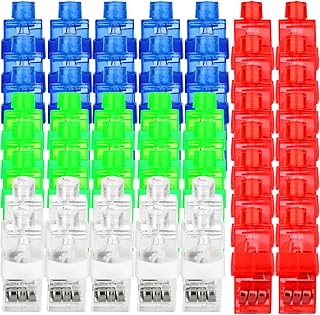 60Pcs LED Finger Lights Flashlights for Kids Glow Party Favors Birthday Christmas Halloween Supplies
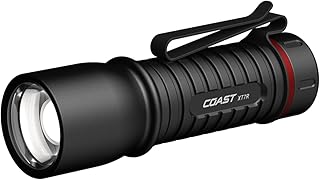 XT7R 1500 Lumen Rechargeable LED Flashlight with Magnetic Mount, Slide Focus, and Pocket Clip, Black
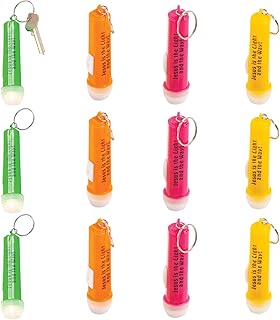 Express Jesus is The Light Flashlight Key Chains (Set of 12) Religious Party Supplies - VBS 2026 Vacation Bible School Supplies/Decor
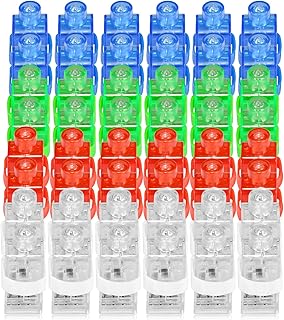 CADE ELECTRONIC Finger Lights- 50Pcs Finger Flashlights for Kids-Bachelorette Party Favors - Party Supplies for Parties Cheering Novelty Toys for Kids, Adult