Introduction
This buying guide is written for importers, wholesalers, distributors and project contractors sourcing flashlights at scale. It highlights the product types, technical specifications, compliance requirements, quality-control practices, packaging and logistics considerations, and commercial terms you should evaluate before placing bulk orders. JECTE, as a lighting manufacturer and industrial supply partner, designs and manufactures flashlights with OEM/ODM flexibility and global compliance support.
Flashlight categories and typical uses
Different end markets require different flashlight designs. Classifying flashlights first by primary application simplifies technical and commercial evaluation.
Tactical and law-enforcement flashlights
- High-output LEDs (often 500–3000+ lumens)
- Strobe or momentary modes, bezel design for defense
- Robust metal housings (anodized aluminium), tail switches
- Often specified to MIL-STD or impact ratings
Industrial and utility flashlights
- Durable construction, long runtime, multiple beam modes
- Options for intrinsically safe / explosion-proof variants for hazardous areas
- Common in mining, oil & gas, manufacturing and inspection
Everyday carry (EDC) and consumer flashlights
- Compact, pocketable, often USB-rechargeable
- Lower cost points, attractive finishes, retail packaging
Search, rescue and area lighting
- High lumen search beams, wide-area flood options, long throw
- Often supplied as kits with rechargeable batteries and chargers
Headlamps and specialized task lighting
- Hands-free designs for construction, inspection, outdoor and emergency services
- Variants include tilt, multiple LEDs, rechargeable battery packs
Key technical specifications to evaluate
Technical specs determine performance, field suitability and regulatory obligations. Request detailed datasheets and measurement reports from suppliers.
Lumens, candela and runtime
- Lumens measure total light output; candela measures beam intensity (throw). Both matter: high lumens with poor optics wastes runtime.
- Ask for measured runtime at each mode (e.g., Turbo, High, Mid, Low), including step-down behavior and thermal regulation.
Beam pattern and optics
- Reflector shape and lens decide flood vs throw characteristics. Request beam photos and candela measurements at consistent distances.
- Look for adjustable focus or dedicated flood/spot optics depending on application.
LED type and color properties
- High-power LEDs (Cree, Nichia, Lumileds or equivalent) provide efficiency and longevity.
- Color temperature and CRI matter for inspection tasks. Higher CRI helps color discrimination.
Battery chemistry and charging
- Common chemistries: disposable alkaline, non-rechargeable lithium, rechargeable Li-ion (18650, 21700), NiMH and built-in battery packs.
- Rechargeable designs should specify cell type, capacity (mAh), charge cycles, charging port (USB-C preferred), and overcharge/overdischarge protection.
- Consider user-replaceable vs integrated cells for aftermarket servicing and transport restrictions.
Ingress and impact resistance
- IP ratings (e.g., IP67, IP68) indicate dust and water protection. For outdoor and marine use, aim for at least IP67.
- Impact resistance (drop tests) and corrosion resistance matter in industrial environments. Vendors often quote IEC or MIL-STD impact tests.
Materials and finishes
- Aluminium bodies with Type III hard-anodizing are common for tactical/industrial flashlights.
- Polycarbonate or ABS housings suit lower-cost retail models; pay attention to UV and chemical resistance.
Switches and user interface
- Tailcap, side switch or electronic UI options affect ergonomics and tactical use.
- Multi-mode cycling should be intuitive; programmable interfaces can add value in professional markets.
Thermal management and survivability
- Heat sinks and thermal controls prevent LED overheating and uncontrolled lumen drop.
- Check advertised high-mode durations and any automatic step-down profiles.
Certifications, safety and regulatory compliance
Certifications vary by market and application. Ensure the supplier can provide relevant documentation.
- CE and RoHS for Europe (electrical safety and hazardous substances)
- UL/ETL listings for North American electrical/consumer safety where applicable
- ATEX and IECEx for intrinsically safe flashlights used in explosive atmospheres
- MIL-STD-810G for shock, vibration and environmental durability in defense markets
- UN38.3 testing for lithium cell transport; compliance with IATA Dangerous Goods Regulations for air shipments
Quality control and pre-shipment testing
Require documented QC procedures and independent test reports. Typical acceptance and test items include:
- Functional testing: all modes, switches, charging circuits and battery protection
- Photometric testing: lumen and beam intensity measured with an integrating sphere or goniophotometer; request raw data and graphs
- Runtime and thermal testing: continuous operation at high mode to assess heat and step-down
- Ingress and immersion tests: IP verification under controlled lab conditions
- Drop/impact tests: repeated drops from specified heights onto hard surfaces
- EMC and electrical safety where electronics are present
- Battery performance and cycle tests; cell supplier traceability
- Salt spray/corrosion tests for marine or corrosive environments
Procurement and commercial considerations
Beyond product specs, commercial terms, inventory planning and packaging directly affect landed cost and time-to-market.
Minimum order quantity (MOQ) and pricing tiers
Negotiate MOQs that match your channel strategy. Suppliers often reduce per-unit cost at higher tiers; define pricing breaks, sample pricing and lead time discounts.
Lead times and production planning
Agree on production schedules and buffer stock for seasonal demand peaks. Confirm supplier capacity and alternate sourcing for critical components like battery cells or driver ICs.
Packing, labeling and retail-ready requirements
- Specify master carton dimensions, inner packaging, retail blister or box artwork, multilingual manuals, barcodes (EAN/UPC), and any country-specific labeling.
- Anti-tamper seals, warranty cards, and serial numbers are common for higher-value models.
Warranty, aftersales and spare parts
Define warranty period, return process, RMA handling, and availability of spare parts (batteries, o-rings, switches). For distributors and contractors, clear warranty and repair policies reduce downstream risk.
Logistics and shipping considerations
- Battery shipments (especially lithium) face hazardous-goods regulations. Confirm whether batteries are shipped inside or separately and which shippers are used.
- Select Incoterms (FOB, CIF, DDP) with clear responsibilities for customs, duties and insurance.
- HS codes and country-of-origin labelling affect tariffs. Prepare compliance documents to avoid delays.
- Plan inventory buffers for long lead-time components and consider local warehousing for fast distribution.
Pricing, margin and go-to-market strategies
Establish pricing that supports distributor margins and promotional activity. Common approaches include:
- Tiered wholesale pricing by quantity and account type
- Private-label or co-branded SKUs for large customers
- Bundling with accessories (holsters, chargers, spare batteries) to increase average order value
- Offering different warranty levels as a premium service
How to choose a manufacturing partner
Look for suppliers who offer technical depth, transparency, and the ability to support global compliance and logistics.
- Manufacturing capabilities: in-house tooling, anodizing, assembly and testing labs
- Quality systems: documented QC checkpoints, inspection reports and third-party testing
- Certification support: assistance obtaining CE, ATEX/IECEx, UL or other certificates
- Commercial flexibility: OEM/ODM design, custom packaging, MOQ negotiation and sample policy
- After-sales support: spare parts, repair centers, and warranty administration
JECTE supplies a range of flashlight solutions and supports OEM/ODM requests, compliance testing and global logistics. We can provide pre-production samples, photometric data, and production QC plans to align with your requirements.
Buyer checklist before you place an order
- Clear product spec sheet: lumens, candela, runtime, dimensions, and weight
- Battery specification and transport plan (UN38.3, IATA compliance)
- Required certifications by market: CE/RoHS, UL, ATEX/IECEx, MIL-STD where relevant
- Sample approval process, including photometric and runtime tests
- MOQ, lead time, pricing tiers and payment terms
- Packing, labeling, retail-ready or bulk pack requirements and barcode data
- Warranty, RMA process and spare-parts availability
- Quality control plan and acceptable defect rates
- Logistics terms and Incoterms, freight forwarder instructions and customs details
Conclusion and next steps
Sourcing flashlights for distribution or projects requires balancing technical performance, compliance and total landed cost. Prioritize suppliers who provide transparent test data, flexible manufacturing and robust after-sales support. If you need turnkey supply — including OEM design, certification assistance and logistics coordination — JECTE can provide samples, full technical dossiers and scalable production to match distributor and contractor needs.
Contact JECTE with your target specifications, expected annual volumes, and market destinations to receive a tailored quotation, sample kit and QC plan.
Related Products
Explore related products from JECTE for your next sourcing project.
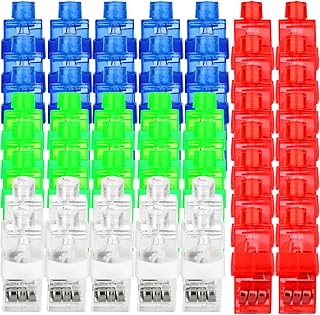 60Pcs LED Finger Lights Flashlights for Kids Glow Party Favors Birthday Christmas Halloween Supplies
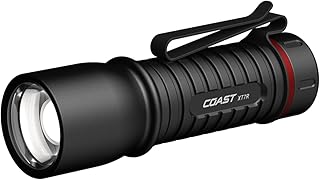 XT7R 1500 Lumen Rechargeable LED Flashlight with Magnetic Mount, Slide Focus, and Pocket Clip, Black
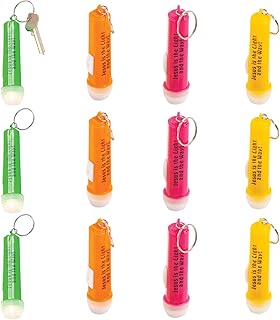 Express Jesus is The Light Flashlight Key Chains (Set of 12) Religious Party Supplies - VBS 2026 Vacation Bible School Supplies/Decor
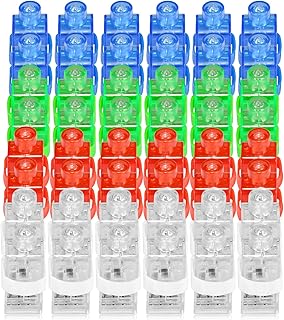 CADE ELECTRONIC Finger Lights- 50Pcs Finger Flashlights for Kids-Bachelorette Party Favors - Party Supplies for Parties Cheering Novelty Toys for Kids, Adult