Introduction: what buyers need to know about flashlights
For lighting importers, wholesalers, distributors and project contractors, selecting the right flashlight product is more than choosing the brightest model. Successful procurement balances performance, reliability, regulatory compliance, supply-chain risk and total cost of ownership. This guide gives practical, buyer-focused criteria and sourcing tips to help you evaluate suppliers and specify flashlight products that meet market and project needs. JECTE designs and manufactures industrial lighting and flashlight solutions — the recommendations below reflect industry best practices and real-world procurement considerations.
Understand core flashlight specifications
Start by defining the performance metrics buyers' customers or projects require. Standardized metrics and common trade-offs include:
- Lumens: Total luminous flux. Higher lumens mean brighter output but typically more heat and power draw. Specify initial output and any boosted modes.
- Beam distance and intensity: Measured in meters (beam distance) and candela (intensity). These are critical for search, security and outdoor uses.
- Runtime: Total operating time at a specified output, usually measured under ANSI FL1 standards. Clarify runtime at which mode (high, medium, low).
- Beam pattern: Flood vs. throw. Flood is wide for area illumination; throw is focused for distance. Combination reflectors or adjustable heads offer versatility.
- Peak vs. sustained output: Many flashlights include a short-duration turbo mode that exceeds continuous safe output. Specify sustained output and thermal throttling behavior.
- Modes and user interface: Number of modes, mode memory, strobe/SOS and whether UI is single-button, tail-switch or rotary. Simplicity is often preferred in industrial applications.
LEDs, drivers and optical systems
Choose reliable components to ensure consistency and longevity.
- LED type: High-quality LEDs (e.g. brands like Cree, Nichia or Osram) provide predictable lumen output and color temperature. Specify binning and color temperature if color rendition matters.
- Driver electronics: Look for efficient, temperature-regulated drivers that prevent runaway current. PWM frequency should avoid visible flicker for applications where that matters.
- Optics and reflectors: TIR optics versus smooth reflectors affects beam uniformity and range. Anti-reflective lens coatings improve transmission.
Power options: batteries, charging and logistics
Battery choice influences product performance, logistics and regulatory compliance.
- Battery chemistries: AA/AAA (alkaline), NiMH rechargeable, CR123A (lithium primary), 18650/21700 (Li-ion) are common. 18650/21700 cells offer high energy density and are typical in higher-performance lights.
- Integrated vs. removable: Integrated battery packs simplify sealed designs but complicate replacement and shipping. Removable batteries allow customers to carry spares and ease hazardous goods classification in shipments.
- Charging methods: USB-C is now preferred for convenience and global compatibility; magnetic chargers and wireless charging are premium options. Specify charge protection and thermal safeguards.
- Shipping and regulatory considerations: Lithium batteries are subject to IATA and IMDG regulations. For international shipments, ensure UN38.3 testing and correct documentation. For air cargo, many lithium battery configurations require special packaging, labeling and carrier approvals.
Durability and environmental ratings
Industrial and project-grade flashlights must survive harsh conditions. Specify minimum standards:
- Ingress protection (IP): IP54 is splash-resistant; IP65/IP66 for dust-tight and powerful jets; IP67 for temporary immersion; IP68 for prolonged immersion. Choose based on intended environment.
- Impact resistance: Ratings like IK or MIL-STD-810G drop tests indicate ruggedness. Typical robust flashlights specify drop resistance from 1–2 meters or more.
- Materials and finishes: Aircraft-grade aluminum (anodized) is common for durability and thermal dissipation. Polymer housings reduce cost and weight but may be less heat-tolerant. Corrosion-resistant coatings are important for marine/mine applications.
- Thermal management: Heatsinking and thermal throttling protect LEDs and prolong life. Ensure manufacturers provide thermal performance data for continuous operation.
Safety, certifications and compliance
Regulatory compliance reduces commercial risk and speeds market entry. Require documentation and factory testing for:
- Electrical and product safety: CE (EMC/LVD), FCC for electronics, and regional equivalents.
- Battery and transport: UN38.3 test reports for lithium cells, MSDS, and IATA/IMDG-compliant labeling.
- Environmental: RoHS and REACH declarations where applicable.
- Hazardous area approvals: For intrinsically safe or explosion-proof flashlights, request ATEX or IECEx certification and documentation specific to gas/dust zones.
- Standards-based performance: ANSI/PLATO FL1 standardized test reports for lumen output, runtime, peak beam intensity, beam distance, water resistance and impact resistance. FL1 reports provide comparable metrics between products.
User features and ergonomics that matter in bulk sales
End users judge products by daily usability. Prioritize features that reduce returns and improve satisfaction:
- Switch type and placement: Tail cap switches work well for tactical use; side switches simplify single-handed operation. Tactile feedback and anti-accidental activation mechanisms matter for pocket carry.
- Grip and anti-slip design: Knurling or rubberized surfaces improve handling with gloves or wet hands.
- Mounting and accessories: Clips, lanyard holes, helmet mounts and magnetic bases increase versatility for industrial and contractor use.
- Weight and size: Strike a balance between capacity and portability for your target customers—EDC (everyday carry) buyers prefer compact lights; jobsite users accept larger, heavier options.
Packaging, labeling and branding considerations
Good packaging protects products and communicates value to downstream channels and end customers. For OEM or white-label orders, confirm options:
- Retail packaging design and specs, including multilingual instructions and compliance info.
- Bulk packaging for distributors: number of units per carton, inner packing, cushioning and palletization details to optimize import logistics.
- Private-labeling options: logos on product, custom box printing, custom manuals and UPC/GTIN assignment.
- Labeling requirements for batteries and hazardous materials on outer cartons to satisfy carriers and customs.
Quality control, testing and sampling
Enforce a robust QC and acceptance plan before full production runs. Recommended checkpoints:
- Pre-production sample approval: Approve functional, appearance and packaging samples before tooling or production sign-off.
- In-line inspection: Inspect critical assembly steps, solder quality, driver programming and water-seal integrity during production.
- Functional testing: Run burn-in tests, drop tests, water ingress tests and battery charging cycles on random samples.
- ANSI FL1 verification: Request FL1-style testing or lab reports for lumen output, runtime and beam distance to validate marketing claims.
- Pre-shipment inspection (PSI): ACI or third-party inspection before shipment helps avoid non-conforming batches and reduces return rates.
Supply chain, lead times and MOQ
Plan procurement around predictable lead times and realistic MOQs. Discuss these topics with potential suppliers:
- Component availability: LED, battery cell and driver chipset shortages can extend lead times. Ask suppliers about alternative chipsets and qualified cross-sourcing.
- Minimum order quantities: MOQs vary by customization level. Off-the-shelf SKUs often have lower MOQs than fully customized models.
- Lead times: Expect longer lead times for custom colors, packaging or branded units. Confirm tooling and packaging production timelines separately from product assembly.
- Inventory strategy: Consider safety stock levels and staggered replenishment to mitigate shipping delays and seasonal demand.
Cost drivers and total cost of ownership
Beyond unit price, consider the full commercial impact:
- Component quality: Higher upfront component costs (cells, LEDs, drivers) reduce warranty claims and returns.
- Warranty and after-sales: Warranty length and service provisions affect resale value and buyer confidence.
- Logistics and compliance costs: Lithium battery shipping surcharges, customs duties and testing fees should be included in landed cost calculations.
- Energy and replacement costs: Rechargeable solutions may reduce operating expenses for bulk users compared with disposable batteries.
Application-based recommendations
Match features to the most common use cases:
- Industrial and maintenance: Durable, flood-beam lights with IP65+/impact resistance, long runtime on low/medium modes and robust charging options.
- Tactical and security: High throw lumen models, tail-switch control, strobe modes and durable anodized aluminum housings.
- Search & rescue / emergency: High-lumen turbo with long-range throw, multiple modes, SOS and reliable battery chemistry with UN38.3 documentation.
- Mining and hazardous locations: ATEX/IECEx certified intrinsically safe lights with specialized battery systems and documented approvals.
- Retail and EDC: Compact, attractive designs with good packaging, reliable LEDs and consistent branding.
How to work with manufacturers like JECTE
When engaging a manufacturer, adopt a structured sourcing process:
- Provide a clear product specification (PDS): Define target lumen, battery type, IP rating, materials, certifications and packaging details.
- Request sample builds: Approve engineering and production samples before committing to large runs.
- Agree on QA/QC and acceptance criteria: Write inspection checkpoints into the purchase contract and specify consequences for non-conforming lots.
- Negotiate warranty, RMA and spare parts: Clarify warranty length, repair or replacement policy and availability of spare batteries and chargers.
- Plan for regulatory updates: Ensure the manufacturer will support re-testing or certification updates if regulations change.
Final procurement checklist
Before placing an order, ensure you have:
- ANSI FL1 or equivalent performance measurements.
- UN38.3 test reports and battery shipping documentation if batteries included.
- Certificates for CE, RoHS and any region-specific approvals required.
- Approved pre-production and production samples matching final packaging and labeling.
- Defined lead times, MOQ, pricing tiers and after-sales support terms in the contract.
- Supplier quality plan including in-line inspections and PSI arrangements.
Conclusion
Buying flashlights at scale requires technical clarity, regulatory foresight and rigorous supplier management. By specifying measurable performance (lumens, beam, runtime), insisting on appropriate certifications and testing (UN38.3, FL1, CE), and embedding QC checkpoints into production, importers and distributors can reduce risk and improve margins. JECTE partners with global buyers to deliver compliant, application-focused flashlight solutions and OEM services — from specification and prototyping through mass production and logistics. Contact your JECTE representative to discuss specifications, sampling and volume pricing tailored to your markets.
Related Products
Explore related products from JECTE for your next sourcing project.
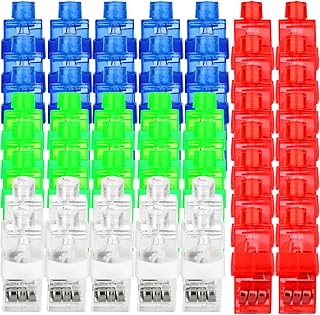 60Pcs LED Finger Lights Flashlights for Kids Glow Party Favors Birthday Christmas Halloween Supplies
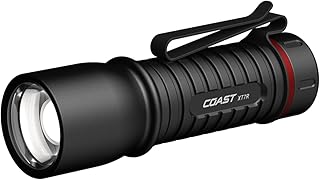 XT7R 1500 Lumen Rechargeable LED Flashlight with Magnetic Mount, Slide Focus, and Pocket Clip, Black
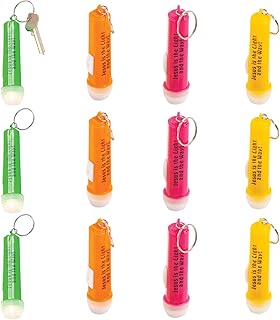 Express Jesus is The Light Flashlight Key Chains (Set of 12) Religious Party Supplies - VBS 2026 Vacation Bible School Supplies/Decor
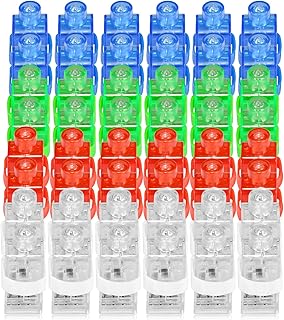 CADE ELECTRONIC Finger Lights- 50Pcs Finger Flashlights for Kids-Bachelorette Party Favors - Party Supplies for Parties Cheering Novelty Toys for Kids, Adult