Introduction: why this guide matters for buyers
Flashlights are simple products with complex procurement risks. For importers, wholesalers, distributors and project contractors the right flashlight selection affects safety, warranty costs, transport compliance and margin. This guide focuses on the commercial and technical factors you must evaluate when sourcing flashlights at scale, and what to ask a manufacturing partner like JECTE to ensure quality, compliance and reliable supply.
Key technical specifications buyers must evaluate
Specifications define product fit, cost and customer expectations. Use these core metrics to compare models and suppliers objectively.
Lumen output vs. usable light
Lumens measure total light output but don’t tell the whole story. For buyers, combine lumens with beam intensity (candela) and beam distance to understand real-world performance for task lighting, search & rescue or inspection.
- Lumens: overall brightness. Common ranges: 100–300 lumens (everyday use), 500–2,000+ lumens (tactical/industrial).
- Candela and beam distance: indicate throw; critical for search, security and signage inspection.
- ANSI/NEMA FL 1 reports: request FL1 data from suppliers to standardize comparisons.
Runtime and battery chemistry
Runtime depends on battery capacity, driver efficiency and output mode. Pay attention to stated runtime conditions (e.g., turbo vs eco mode).
- Battery types: alkaline (AA/AAA), NiMH, Li-ion (18650, 21700), rechargeable packs. Li-ion offers best energy density but adds transport and safety complexity.
- Runtime vs mode: check how long at specified lumen output. Manufacturers should provide runtime curves.
- Battery management: protections against overcharge, over-discharge, short-circuit and thermal events are essential for Li-ion cells.
Beam pattern and optics
Beam shape affects usability. Spot beams are narrow and long-throw; flood beams are wide and useful for close work. Optical choices affect cost and application.
- Reflector type: smooth reflectors for throw, textured (orange peel) for balanced beams.
- TIR lenses: compact, efficient beam shaping with consistent patterns and less glare.
- Adjustable focus vs fixed optics: adjustable zoom increases mechanical complexity and warranty risk.
Durability: IP, impact and materials
Durability specs matter for industrial end-users and contractors working in harsh environments.
- IP ratings: IPX4 (splash), IPX7 (temporary immersion), IP68 (continuous immersion). For open-air work in rain, IPX4–IPX6 may suffice; for marine or confined-space, target IPX7+.
- Impact/drop ratings: ANSI FL1 impact tests often report drops from 1–2 meters. Ask for actual drop-test reports.
- Materials & finish: 6061-T6 aluminum with Type III hard-anodize is common for durable housings; stainless bezels and tempered glass lenses increase cost but enhance longevity.
Switches, ergonomics and accessory compatibility
Switch type (tailcap, side switch, electronic) and UI (modes, memory, special functions) are important for user acceptance in specific markets.
- Switch reliability: mechanical vs electronic momentary switches; IP sealing around switches is critical.
- UI & modes: simple UI for mass markets; tactical features (strobe/SOS) for security and rescue sectors.
- Accessories: holsters, lanyards, diffusers, mounting brackets and compatible chargers add commercial value and should be planned during sourcing.
Standards, certifications and regulatory issues
Certifications reduce risk and enable market access. Confirm which standards the supplier complies with and ensure certification documents are traceable.
- ANSI/NEMA FL 1: standardized lumen, runtime, beam, water and impact reporting for flashlights.
- RoHS and CE: required for EU market access; RoHS restricts hazardous substances.
- FCC: applicable if the product contains transmitters or wireless charging components for US market.
- UN 38.3 and IATA/IMDG: mandatory testing and packaging rules for lithium batteries for air and sea transport.
- ISO 9001: indicates a supplier quality management system; useful but verify implementation with audits and QC reports.
Battery logistics and shipping compliance
Battery selection influences logistics, cost and compliance complexity. Lithium batteries are efficient but regulated as hazardous goods.
- Battery inside equipment vs packed with/loose: shipping rules differ. Air carriage has strict limits and documentation requirements.
- UN 38.3 testing: cell and pack level tests (thermal, vibration, shock, etc.) are required before air transport.
- Labeling & documentation: UN number, proper shipping name, state of charge declarations (for certain exemptions) and safety data sheets (SDS) are necessary.
- Carrier selection: choose carriers experienced with lithium shipments to minimize delays and non-compliance fines.
Design, materials and manufacturing considerations
Decisions made in product design determine cost, performance and after-sales service. For scalable sourcing, emphasize manufacturability and spare-part strategy.
- Material choices: aluminum vs polymer housings. Aluminum increases thermal performance and perceived value; polymers reduce weight and cost.
- Thermal management: high-output LEDs need proper heat sinking to avoid lumen depreciation and driver failure.
- Driver electronics: programmable drivers allow versatile modes, battery chemistry support and protections but increase BOM cost and QC complexity.
- Serviceability: consider replaceable batteries, modular drivers and readily available spare parts if selling into professional markets.
Customization options for branding and market differentiation
Private labeling and tailored features can enhance margins. Discuss customization early, as tooling and BOM changes affect MOQ and lead time.
- Branding: laser engraving, pad print, color anodizing, or custom molds for housings.
- Packaging: retail vs bulk packaging, multilingual manuals, SKU barcodes and retail-ready displays.
- Feature customization: pre-configured lumen settings, inclusion of batteries or chargers, region-specific plug types.
- Accessory bundles: holsters, mounts, diffusers and charging stations add perceived value and allow tiered pricing.
Pricing drivers and how to evaluate cost vs value
Price is driven by BOM, certifications, tooling, and logistics. Compare offers using total landed cost and warranty risk, not just FOB price.
- Unit BOM: LED emitter, driver IC, battery pack, housing, optics and switch quality influence baseline cost.
- Certification costs: testing and certification amortized over production volume increase unit cost at low MOQ.
- Tooling & molds: custom housings and unique optics require upfront tooling fees and higher MOQ.
- Warranty & returns: factor expected RMA rates and replacement-part costs into pricing models.
Quality control, testing and inspection checklist
Strong QC reduces recalls and customer complaints. Request documented evidence and independent test reports where possible.
- Incoming materials inspection: verify batteries, LEDs, drivers and housings.
- Production inspections: first-article, in-line sampling and pre-shipment inspections (AQL-based).
- Functional tests: output measurement, runtime verification, over-temperature protection, switch life cycles and charge/discharge cycling for rechargeable models.
- Environmental tests: IP ingress tests, drop tests, thermal cycling and salt spray for marine use.
- Batch traceability: maintain cell lot numbers and driver batch IDs for failure investigations.
MOQs, lead times and ramp planning
Understand supplier economics and plan for inventory buffers. Negotiate pilot runs and progressive ramp schedules to validate product performance before full-scale orders.
- MOQ drivers: tooling, certification lots and battery minimums determine smallest practical order size.
- Lead times: tooling and certification add weeks to initial lead time. Typical lead times vary from 6–16 weeks depending on customization and battery sourcing.
- Sample policy: request functional samples and pre-production (golden) samples for approval prior to mass production.
Choosing the right manufacturing partner: questions to ask JECTE
As an established lighting manufacturer, JECTE supports global buyers with design, production and logistics. Use this checklist when evaluating JECTE or any supplier.
- Production capacity: what is monthly output for flashlight lines and scalable capacity for peak seasons?
- Certifications & testing: can you provide FL1 reports, UN 38.3, CE/RoHS and sample test reports?
- Quality systems: do you operate ISO 9001 processes, and can you share recent QA reports and SPC data?
- Battery sourcing: which cell vendors do you use, and can you provide cell test data and MSDS sheets?
- Custom branding: what are MOQ, tooling costs and sample timelines for private label runs?
- Warranty & after-sales: what warranty terms, spare parts availability and RMA procedures do you offer?
- Logistics expertise: do you handle lithium battery shipping compliance and can you support DDP/DDU terms?
Practical procurement checklist for your first order
Before placing a purchase order, ensure the following are agreed in writing to reduce downstream risk.
- Approved product specification sheet with FL1 data, materials, weight and dimensions.
- Sample approvals: prototypes, functional samples and pre-production samples signed off by buyer.
- QC plan: inspection points, AQL levels and reporting cadence.
- Certifications: copies of test reports and certifications relevant to your markets.
- Packing list and labeling: carton dimensions, barcodes, retail POP and manual languages.
- Logistics plan: declared battery types, shipping method, packing group and necessary documentation.
- Warranty terms and spare parts lead times and pricing.
Conclusion: next steps for importers, wholesalers and contractors
Sourcing flashlights involves balancing technical performance, regulatory compliance and commercial terms. Use standardized metrics like ANSI/NEMA FL 1, validate battery testing and assess manufacturing quality systems to de-risk purchases. When evaluating partners, require samples, test reports and clear QC plans.
JECTE combines lighting engineering, battery management expertise and experienced supply-chain services to support global buyers with private-label production, certification support and compliant logistics. Contact JECTE to discuss specifications, obtain sample units, and plan pilot production runs aligned to your market requirements.
Related Products
Explore related products from JECTE for your next sourcing project.
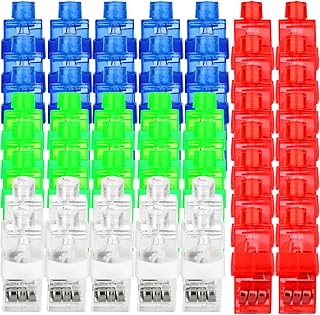 60Pcs LED Finger Lights Flashlights for Kids Glow Party Favors Birthday Christmas Halloween Supplies
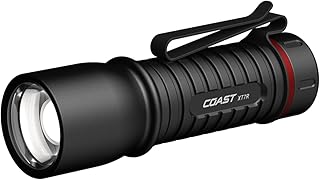 XT7R 1500 Lumen Rechargeable LED Flashlight with Magnetic Mount, Slide Focus, and Pocket Clip, Black
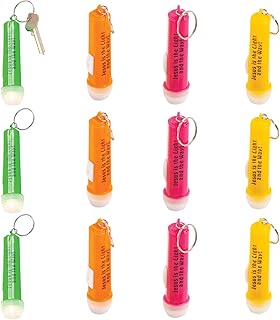 Express Jesus is The Light Flashlight Key Chains (Set of 12) Religious Party Supplies - VBS 2026 Vacation Bible School Supplies/Decor
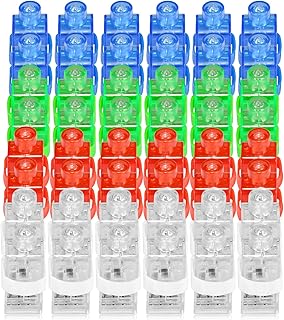 CADE ELECTRONIC Finger Lights- 50Pcs Finger Flashlights for Kids-Bachelorette Party Favors - Party Supplies for Parties Cheering Novelty Toys for Kids, Adult