Introduction: Why the right flashlight procurement matters
Flashlights remain essential tools across industries: construction, security, oil & gas, utilities, retail and emergency preparedness. For importers, wholesalers, distributors and project contractors, selecting the right flashlight SKUs means balancing performance, regulatory compliance and total landed cost. This guide outlines the practical technical, commercial and logistical considerations buyers need to evaluate when sourcing flashlights at scale.
Key product categories and common use cases
Different markets demand different flashlight types. Identifying end-use cases early helps define specifications and packaging strategies.
- Everyday Carry (EDC): Compact, lightweight, USB-rechargeable, for retail and uniform suppliers.
- Tactical & Law Enforcement: High output, strike bezel, tail-switch, strobe modes, robust build.
- Worksite/Industrial: High impact resistance, long runtime, anti-slip grips, often includes pocket clips or helmet mounts.
- Search & Rescue/Professional: Very high lumens, long beam distance, multiple output levels, rechargeable battery systems.
- Hazardous Locations (ATEX/IECEx): Intrinsically safe designs for explosive atmospheres in oil, gas and mining.
- Specialty (underwater/UV/inspection): Waterproof housings, UV LEDs for inspection, or submersible rating for diving.
Technical specifications every buyer should evaluate
When comparing models, rely on standardized metrics and real-world performance data rather than marketing claims.
- Luminous flux (lumens): Measure of total light output. Higher lumens do not always mean better for all tasks—consider beam pattern and spill vs throw.
- Beam distance (meters): Useful for search/rescue and security lighting. Defined by the intensity (candela), not lumens alone.
- Runtime: Specify measured runtime at given output levels. Request standardized test curves showing lumen vs time.
- LED type and expected lifespan: Cree, Nichia, Samsung and other reputable LED manufacturers provide predictable lumen maintenance (e.g., L70 @ 50,000 hours).
- Battery chemistry and format: AA/AAA alkaline and NiMH, removable Li-ion (18650, 21700), or built-in rechargeable batteries. Each affects logistics, dangerous-goods classification and end-user convenience.
- Charging options: Micro-USB vs USB-C, magnetic charging, or proprietary docks. USB-C is now preferred for faster charging and universal compatibility.
- Durability: Impact rating (drop height), body material (aluminum alloy, stainless steel, polymer) and corrosion resistance.
- Ingress protection (IP) rating: Typically IPX4 to IP68; IP67+ recommended for outdoor/industrial use.
- Size & weight: Important for EDC and uniform compliance.
- Operating temperature range: Critical for extreme climates or industrial applications.
Regulatory, safety and certification requirements
Compliance requirements vary by market and product type. Get documentary proof during supplier selection.
- CE & RoHS (EU): Essential for electronics sold in the European Union.
- UKCA (UK): Required for the UK market post-Brexit.
- FCC (US): For devices with wireless or significant EMC emissions; EMC testing may be required for LED drivers and charging circuitry.
- UN38.3: Mandatory for shipping lithium batteries—tests for thermal, vibration and short circuit. Shippers must provide test reports and appropriate DG paperwork.
- ATEX / IECEx: For intrinsically safe flashlights used in explosive atmospheres.
- UL/CSA: Optional but valuable for North American acceptance, especially for wall chargers and docking stations.
- Battery transport classification: Air transport of lithium-ion batteries is tightly regulated—determine if batteries will be included, shipped separately, or installed at destination.
Quality assurance and testing to request from suppliers
Request documented QA and test results. Insist on test conditions and sample retention for reproducibility.
- Photometric testing: Integrating sphere or goniophotometer reports showing lumens, CCT and beam pattern.
- Runtime and thermal tests: Lumen-maintenance curves and peak surface temperature under continuous operation.
- Mechanical testing: Drop tests, torque tests for threads, and impact resistance reports.
- Ingress protection testing: IP rating test certificates.
- Salt spray and corrosion resistance: For coastal or marine applications.
- EMC testing: If product includes switching drivers or active wireless features.
- Battery safety tests: Overcharge, short-circuit protection and thermal abuse tests.
- Production inspection: Pre-shipment inspection (AQL), and first-article inspection (FAI) for new tooling or designs.
OEM/ODM customization and private label options
Private labeling and customization can differentiate your offering. Know what’s feasible and the typical costs and lead times.
- Branding: Laser engraving, color anodizing and custom inserts for handles or bezels.
- Firmware and UI: Custom mode sets, programmable strobe, or lockout features for tactical customers.
- Packaging: Retail-ready blister packs, retail boxes with multilingual manuals, or bulk-clipped packaging for uniform suppliers.
- Accessories: Holsters, mounts, spare O-rings, and charging cables can be included as kits.
- Minimum order quantities (MOQs): Expect MOQs for custom colors or logos; typical ranges are 500–5,000 units depending on complexity.
- Tooling and sample policy: Suppliers may require a tooling fee and 2–4 weeks for samples. Negotiate sample costs against production orders.
Commercial considerations: pricing, MOQ, and lead times
Understanding supplier economics helps optimize sku selection and inventory strategy.
- Unit cost vs landed cost: Factor product cost, testing, labeling, batteries, freight, duties and warehousing.
- MOQ impact: Higher MOQs often yield lower unit costs but increase inventory risk. Consider staggered replenishment or mixed-sku containers.
- Lead times: Standard production is often 4–8 weeks after sample and deposit; custom features extend lead time. Plan for additional time for certifications or testing failures.
- Volume discounts and payment terms: Negotiate tiered pricing, letters of credit, or open-account terms with a credit history.
- Warranty & RMA policy: Typical commercial warranties are 1–3 years. Clarify RMA process, return freight responsibilities and repair vs replace policies.
Battery and shipping logistics
Batteries introduce complexity: transport classification, packaging and regional regulations significantly affect shipping options and costs.
- Removable vs non-removable batteries: Removable cells shipped separately may reduce DG complexity for some routes; pre-installed batteries increase convenience but may restrict air shipment.
- Air freight restrictions: Lithium-ion batteries have strict quantity limits and packaging rules. Some airlines prohibit bulk lithium shipments; work with freight forwarders experienced in DG handling.
- Sea freight and consolidation: Often the most cost-effective for bulk orders; ensure packaging protects against moisture and crushing.
- Local import duties and labeling: Confirm harmonized tariff codes and labeling requirements (battery recycling info, disposal instructions) for destination markets.
Packaging strategies for different channels
Match packaging to your distribution channel to control cost and shelf appeal.
- Retail packaging: High-quality print, attractive box inserts, multilingual manuals and UPC/GTIN barcodes.
- Wholesale bulk: Economy packaging to minimize cost per unit—consider kits or clip strips for retail conversion.
- Project logistics: Palletized shipments with clear labeling and kitting by site or contractor to speed deployment.
Supplier selection checklist and questions to ask
Use this checklist during supplier evaluation, factory visits or virtual audits.
- Can you provide detailed photometric and runtime test reports for the model I’m quoting?
- Do you have UN38.3 battery test reports and DG documentation for included cells?
- What is your MOQ for private label, and what are pricing tiers by volume?
- What are typical lead times for samples and production? What capacity do you have for scale-up?
- Can you provide factory audit reports (ISO 9001, BSCI) and references from other international buyers?
- What warranty and after-sales processes do you offer? Where are spare parts and replacement batteries sourced?
- What quality control steps are in place: FAI, in-line inspections, and pre-shipment AQL checks?
- Are customization options available for firmware, packaging and color? What are the associated costs?
- Which certifications can you provide for my target markets (CE, UKCA, FCC, ATEX, IECEx, UL)?
Common pitfalls and how to avoid them
- Relying on lumen claims alone: Always request photometric data and runtime curves under standardized conditions.
- Underestimating battery shipping rules: Always involve your freight forwarder early for lithium shipments to avoid costly reroutes.
- Ignoring local certification needs: Retrofitting compliance post-shipment is expensive and time-consuming.
- Skipping pre-shipment inspections: AQL inspections catch cosmetic and functional defects before containers leave the factory.
- Over-customizing without testing: Firmware and physical changes can introduce reliability or EMC issues—test thoroughly before mass production.
Working with JECTE as your industrial lighting partner
As a manufacturing and industrial supply partner, JECTE supports global buyers with OEM/ODM flashlight programs, regulatory support and after-sales processes. JECTE can provide:
- Technical datasheets, photometric and battery test reports to facilitate market approvals.
- OEM/ODM customization: logos, packaging, firmware and accessory kits with clear MOQ and lead-time guidance.
- Assistance with DG documentation and logistics planning for lithium battery shipments.
- Quality systems, factory audits and AQL pre-shipment inspections to protect your brand.
- Flexible fulfillment: palletized shipments for projects, retail-ready packaging for distribution, and kitting services for contractors.
Final checklist before placing an order
Before issuing a purchase order, confirm these items to minimize risk and ensure smooth delivery:
- Approved sample with signed-off FAI report and agreed tolerances.
- Complete test reports for photometrics, runtime, IP, and UN38.3 for batteries.
- Agreed MOQ, unit price, packaging, and labeling details in writing.
- Clear payment terms, lead times and penalties for missed milestones if applicable.
- Pre-shipment inspection plan and sample retention policy.
- Warranty terms and RMA procedures documented.
- Shipping plan including DG paperwork (if relevant), freight incoterms and expected transit times.
Conclusion
Sourcing flashlights at scale requires technical diligence and careful supplier selection. By prioritizing standardized testing, clear regulatory documentation, realistic lead times and logistics planning—especially around batteries—buyers can reduce risk and deliver consistent value to their channels. Partnering with an experienced manufacturer like JECTE streamlines OEM/ODM development, quality control and global shipping, enabling distributors and project contractors to focus on market growth and service delivery.
If you’re ready to evaluate flashlight SKUs for your market or need assistance with certification and logistics, JECTE can provide technical dossiers, sample programs and production planning tailored to your needs.
Related Products
Explore related products from JECTE for your next sourcing project.
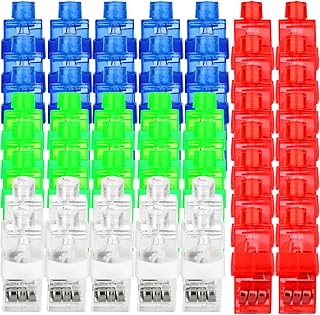 60Pcs LED Finger Lights Flashlights for Kids Glow Party Favors Birthday Christmas Halloween Supplies
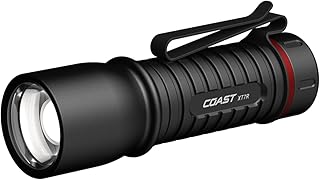 XT7R 1500 Lumen Rechargeable LED Flashlight with Magnetic Mount, Slide Focus, and Pocket Clip, Black
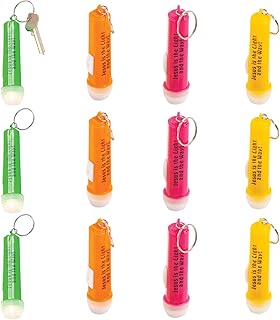 Express Jesus is The Light Flashlight Key Chains (Set of 12) Religious Party Supplies - VBS 2026 Vacation Bible School Supplies/Decor
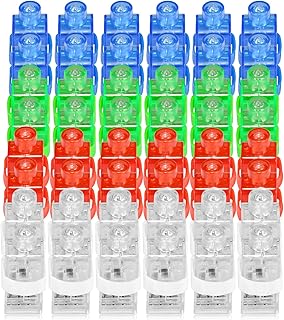 CADE ELECTRONIC Finger Lights- 50Pcs Finger Flashlights for Kids-Bachelorette Party Favors - Party Supplies for Parties Cheering Novelty Toys for Kids, Adult