Why this guide matters for importers, wholesalers and project contractors
Flashlights remain a core SKU for industrial suppliers, tool dealers, safety contractors and outdoor retailers. Global buyers need to balance performance, compliance, total landed cost and reliability when selecting product families and suppliers. This guide translates technical flashlight details into procurement-ready criteria so you can evaluate offerings, reduce risk and accelerate time to market.
Understand performance using standardized metrics (ANSI/NEMA FL1)
Buying on lumen claims alone can be misleading. Use the ANSI/NEMA FL1 standard to compare products consistently. Key FL1 measurements to require from suppliers:
- Rated Lumens — total light output.
- Runtime — how long the light operates at a specified output before reaching a defined cutoff.
- Beam Distance — measured in meters, indicates usable throw; based on peak candela.
- Peak Beam Intensity (candela) — useful for search and rescue, inspection and tactical uses.
- Impact Resistance — measured to a height in meters under FL1.
- Ingress Protection (IP) — water and dust resistance per IEC 60529 (e.g., IPX7, IP68).
Key technical specifications and what they mean for bulk buyers
Lumen output and beam profile
Match lumen and beam to application. High-lumen pocket lights (1,000–4,000+ lm) offer area illumination but generate heat and drain batteries faster. Throw-focused lights have narrower reflectors and higher candela for distance; useful for security, search, and outdoor projection. Many customers prefer multi-mode drives that allow high, medium, low and strobe for flexibility.
Color temperature and CRI
Color temperature (Kelvin) affects perceived brightness: cool white (5,000–6,500K) looks brighter but can distort color; neutral/warm (3,000–4,500K) is preferable for work lights, inspection and residential uses. CRI (Color Rendering Index) matters for inspection and medical tasks; specify minimum CRI if color accuracy is important.
Thermal management and driver electronics
High-output LEDs require effective heat sinking and a stable driver to maintain performance and component life. For continuous high-output models, ensure the supplier provides thermal throttling strategies, temperature-rated soldering and reliable driver circuitry to prevent premature failure.
LED types
LED selection impacts efficiency, lifetime and cost. Top-bin LEDs from reputable manufacturers give better lumen-per-watt and color consistency. Ask suppliers for LED bin codes and luminous efficacy figures when comparing models.
Battery systems: chemistry, form factor and shipping implications
Common battery options
- Disposable alkaline (AA/AAA) — low cost, easy replacement, widely accepted for air shipping.
- Lithium primary (CR123A, CR2) — higher energy, compact, common in tactical lights.
- Rechargeable Li-ion (18650, 21700, 14500) — high energy density for premium lights; check protection and cell capacity.
- Proprietary built-in Li-ion packs — convenient for end users but create special shipping, certification and replacement considerations.
Charging options
USB-C charging is now standard for convenience and faster charging. Consider integrated charging circuits, charge indicators and whether the product supports pass-through or powerbank functionality. For fleet and industrial customers, removable battery systems may simplify logistics for spare inventory.
Shipping and regulatory constraints
Lithium batteries trigger particular handling rules (UN 3480/UN 3090 for Li-ion and Li-metal, UN38.3 testing). Air transport restrictions, labeling and documentation add complexity. For global shipments, verify the supplier provides compliant battery testing reports, MSDS, and guidance on packaging and labeling to avoid customs delays and carrier refusals.
Construction, materials and durability
Material choice affects weight, durability and price. Typical materials include anodized aluminum for tactical/industrial lights, stainless steel for bezels and buttons, and engineering plastics for low-cost consumer options. Key buyer checks:
- Aluminum grade (e.g., 6061 or 6063) and finish (Type III hard-anodized recommended for rugged use).
- Lens material — tempered glass vs. polycarbonate; glass resists scratching but can shatter under impact.
- O-ring seals, gasket quality and IP rating proof for wet/dusty environments.
- Switch design — mechanical vs. electronic, waterproofing and expected life cycles.
Product categories and target applications
Select product families based on your target customers and channels:
- Everyday Carry (EDC) lights — compact, pocketable, keychain options for retail.
- Tactical lights — robust, high-lumen, tail-switch options for law enforcement and security.
- Work/Inspection lights — broad-beam, high-CRI options for electricians, mechanics and contractors.
- Headlamps — hands-free solutions for outdoor, industrial and medical uses.
- Area and flood lights — rechargeable lanterns or work beams for construction and emergency response.
Certifications, compliance and testing to require
For global buyers, compliance reduces import risk and builds trust with end customers. Require documented evidence for:
- RoHS compliance for restricted substances in electronics.
- CE marking and EMC testing for European markets where relevant.
- UN38.3 battery testing and transport documentation for lithium batteries.
- IP rating verification and sample wet/dust tests.
- ANSI/NEMA FL1 data sheets for performance claims.
- Optional: MIL-STD-810G vibration and drop tests for military/industrial contracts.
Quality control and inspection checklist
Implement incoming and pre-shipment QC to protect your brand and margins. Typical QC steps buyers should request:
- Prototype evaluation — verify performance, fit-and-finish and packaging.
- First Article Inspection (FAI) — dimensional, functional and visual checks.
- Production spot checks — random sampling for lumen, runtime, beam profile and battery performance.
- Environmental stress tests — thermal cycling, humidity and salt spray for coastal markets.
- Electrical safety tests — short-circuit protection, overcurrent and thermal shutdown checks for rechargeable models.
- Marking and labeling verification — ensure instructions, safety warnings and regulatory marks meet destination country rules.
Packaging, accessories and aftermarket parts
Packaging affects shelf presentation and shipping efficiency. Buyers should decide whether to offer value bundles or basic retail packs. Consider these add-ons:
- Holsters, clips and lanyards for end-user convenience.
- Extra rechargeable battery packs and spare O-rings.
- Vehicle or wall chargers for industrial fleets.
- Custom retail packaging and UPC/GTIN management for large-scale retail distribution.
Supply chain and commercial terms
Negotiate terms that align with demand predictability and risk tolerance:
- Minimum Order Quantity (MOQ) — manufacturers often offer tiered pricing; balance MOQ with inventory cost.
- Lead times — factor manufacturing, testing and battery sourcing into expected delivery windows.
- Payment terms — consider letters of credit, open account terms with credit insurance, or staged payments for tooling and first orders.
- Tooling and customization costs — for private label, request clear amortization schedules for tooling and molds.
- After-sales support — warranty terms, RMA procedures and spare-part availability.
Risk management: warranties, recalls and customer support
Protect margins and reputation by specifying warranty terms and support processes. Ask suppliers for average return rates, failure modes and repair turnaround times. For projects and fleet contracts, consider extended warranty options and local repair capability to reduce downtime.
How to evaluate and qualify a manufacturer
When vetting suppliers, move beyond price and sample aesthetics. Important qualification steps include:
- Factory audits — capacity, quality system (ISO 9001), and production lines for electronics and assembly.
- Testing labs — in-house vs third-party lab capabilities for FL1, IP, drop and battery testing.
- Supply of compliance documents — RoHS, REACH, UN38.3 reports and test certificates.
- References — existing export customers, distributor partners and project case studies.
- Sample policy — obtain working samples for independent verification and accelerated aging tests.
Procurement checklist for flashlight orders
- Define application and target user (EDC, tactical, industrial, retail).
- Require ANSI/NEMA FL1 data for lumen, runtime and beam distance.
- Specify battery type, shipping restrictions and spare-part strategy.
- Set minimum acceptable IP and impact ratings.
- Confirm LED binning, color temperature and CRI requirements.
- Request UN38.3 and other battery transport documentation where applicable.
- Agree on MOQ, lead times, pricing tiers and payment terms.
- Plan for QC sampling and pre-shipment inspections.
- Verify packaging, labeling and retail-ready configurations.
Working with JECTE as your lighting and supply partner
JECTE manufactures and supplies professional lighting solutions for global buyers and project contractors. When evaluating manufacturing partners, look for companies that provide technical transparency, testing documentation and flexible production to support private labeling and project customization. A capable partner should offer:
- Sample development and prototyping with performance validation.
- Support for regulatory testing, battery compliance and logistics documentation.
- Options for OEM/ODM branding, packaging customization and accessory sourcing.
- Clear MOQ and scalable production plans to match seasonal demand or large projects.
Final considerations and next steps
Successful flashlight procurement combines technical rigor with commercial strategy. Require standardized performance data, confirm battery and transport compliance, and put robust QC and after-sales terms in place. For importers and contractors, a trusted manufacturing partner who understands global compliance and logistics will reduce risk and speed your go-to-market timeline.
To proceed, prepare a short RFQ document that lists intended applications, target price points, expected annual volumes and must-have certifications. Use this guide as a checklist when evaluating samples and suppliers. Contact JECTE to request design consultation, technical datasheets and sample programs tailored to your market and project requirements.
Related Products
Explore related products from JECTE for your next sourcing project.
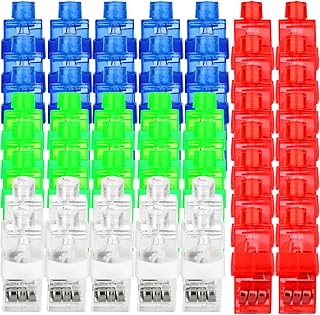 60Pcs LED Finger Lights Flashlights for Kids Glow Party Favors Birthday Christmas Halloween Supplies
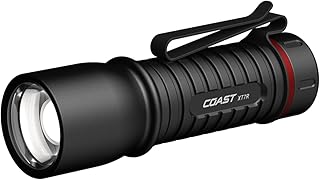 XT7R 1500 Lumen Rechargeable LED Flashlight with Magnetic Mount, Slide Focus, and Pocket Clip, Black
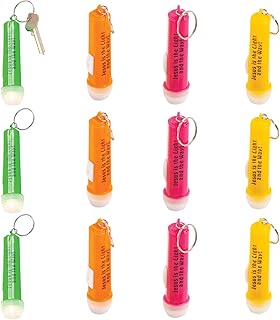 Express Jesus is The Light Flashlight Key Chains (Set of 12) Religious Party Supplies - VBS 2026 Vacation Bible School Supplies/Decor
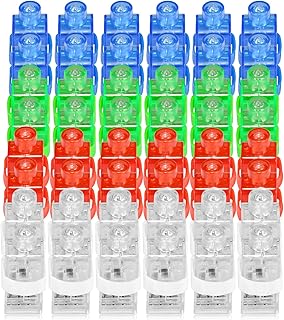 CADE ELECTRONIC Finger Lights- 50Pcs Finger Flashlights for Kids-Bachelorette Party Favors - Party Supplies for Parties Cheering Novelty Toys for Kids, Adult