Why this guide matters for global buyers
Flashlights remain a top-selling portable lighting product across retail, industrial, security, and project channels. For importers, wholesalers, distributors, and project contractors, selecting the right flashlight ranges beyond lumen claims. Buying decisions should balance performance, durability, certification, supply chain reliability, and after-sales support. This guide provides practical, purchase-ready criteria to specify flashlights that meet diverse market needs and reduce risk in volume procurement.
Understand the main flashlight types and use cases
Different buyer channels will target different end users. Identifying which types to stock or specify is the first step.
-
Handheld EDC flashlights
Everyday carry (EDC) flashlights focus on compact size, simple user interface, and moderate output. Popular channels: consumer retail, online marketplaces, and promotional merchandising.
-
Tactical flashlights
Designed for law enforcement and security professionals, these prioritize high output, robust construction, strike bezels, and tail switches. Buyers should consider impact rating and compatibility with weapon mounts.
-
Work lights and inspection lights
Used in construction, maintenance, and industrial projects. Key features include high-CRI LEDs for color rendering, adjustable beams, hooks/magnets, and long runtimes.
-
Headlamps
Hands-free lighting for outdoor, mining, and industrial tasks. Look for ergonomic straps, battery placement, and multiple beam modes.
-
Camping lanterns and area lights
Target outdoor retailers and emergency preparedness markets. Consider diffuser design, power bank functions, and weather resistance.
Key performance specifications buyers must evaluate
Specification clarity reduces returns and customer complaints. Use these measurable criteria in product specifications and data sheets.
-
Lumens and useful output
Lumens measure total light output, but buyers should request measured useful output at typical operating conditions. Avoid relying on manufacturer peak values measured with new batteries in lab conditions.
-
Candela and beam distance
Candela quantifies intensity in a given direction and is useful to calculate beam distance. For tactical and search applications, candela and throw distance matter more than raw lumens.
-
Runtime and output curve
Ask for runtime curves that show output over time. Turbo or peak modes often drop quickly due to thermal regulation. Specify minimum sustained output and how long it holds before step-down.
-
Color temperature and CRI
Specify color temperature (2700K to 6500K) and color rendering index (CRI). Industrial inspection products usually need CRI 70+; medical or color-critical tasks may require CRI 90+.
-
Beam pattern
Identify whether a product needs spot, flood, or adjustable beam. Beam profile images and candela distribution charts help channel partners present accurate product info.
Power sources and battery systems
Battery choice affects cost, runtime, user convenience, shipping, and compliance.
-
Disposable batteries
AA/AAA and CR123A are common. Disposable cells simplify charging issues and appeal to low-cost segments. CR123A supplies higher voltages for compact high-power lights but present shipping restrictions.
-
Rechargeable lithium-ion cells
18650 and 21700 cells deliver high energy density and runtime. They support USB-C charging and power bank features but require UN38.3 compliance for air transport and careful documentation.
-
Integrated rechargeable systems
Built-in Li-ion batteries with USB-C or magnetic chargers enhance user convenience and reduce accessory dependencies. Check for battery cycle life, protection circuits, and replaceability.
-
Charging options
USB-C PD, QC, magnetic chargers, and docking stations are market differentiators. For project clients, consider centralized charging stations or vehicle-mounted chargers.
Materials, durability and ingress protection
Durability influences warranty costs and replacement cycles.
-
Housing materials
Aluminum alloy housings provide heat dissipation and ruggedness. Polycarbonate bodies can reduce weight and cost for consumer models. Surface treatments such as Type III hard-anodizing increase abrasion resistance.
-
Impact and drop ratings
Request impact test results (e.g., 1m, 2m drop). For tactical and industrial applications, higher drop ratings reduce field failures.
-
IP rating
Specify IP ratings for dust and water resistance. IPX7 covers immersion to 1m for 30 minutes; IP68 provides resistance at greater depths. For outdoor and marine markets, choose IP68+.
-
Chemical and UV resistance
For industrial or coastal environments, coatings and seals should resist solvents, fuels, and salt spray. Request accelerated aging tests if relevant.
Thermal management and performance stability
High-output LEDs generate heat that affects lifetime and sustained brightness. Good thermal paths and aluminum bodies extend peak performance and avoid excessive step-down.
User interface and ergonomics
Design choices influence end-user satisfaction and returns.
-
Switch types and mode memory
Tail switches, side switches, and rotary heads each suit different users. Mode memory and lockout features prevent accidental activation during shipping or while in pockets.
-
Grip and weight balance
Ergonomic grips, knurling, and balanced weight distribution make flashlights comfortable for prolonged use in projects and inspections.
-
Accessory compatibility
Weapon mounts, diffusers, lanyards, holsters, and magnetic bases expand market reach. Decide which accessories to include or offer separately.
Certifications, safety and regulatory compliance
Certifications protect buyers and end users while ensuring market access.
-
Electrical and product safety
CE and RoHS are standard in many markets. UL or ETL listings may be required for certain retailers. For batteries, require UN38.3 testing and MSDS documentation.
-
Intrinsic safety and hazardous locations
For mining, petrochemical, and explosive atmospheres, ATEX or IECEx approvals may be mandatory. Specify zone classifications and required certifications upfront.
-
EMC and radio interference
If lights include wireless charging or Bluetooth controls, request EMC test reports to satisfy import regulations and large retail customers.
Quality control, testing and documentation
Rigorous QC reduces returns and enhances brand reputation. Require the following from manufacturers before committing to volume orders.
- Batch-level test reports showing lumens, runtime, beam distance, and IP test results.
- Battery safety test certificates and cell manufacturer traceability.
- Production inspection (AQL) reports and pre-shipment photos.
- Sample approval process with documented sign-off criteria for technical and cosmetic acceptance.
Sourcing, MOQ and lead times
Understand how production scale affects unit costs and flexibility.
-
Minimum order quantities
MOQ varies by model and customization. Standard SKUs often have low MOQs, while OEM/ODM private label items typically require higher volumes. Negotiate staggered deliveries to manage inventory risk.
-
Lead times and supply chain resiliency
Confirm component lead times, especially for LEDs, drivers, and battery cells. Build contingency plans for long-lead components and request transparency on supplier tiers.
-
Packaging and labeling
Decide if you need retail-ready packaging, bulk cartons, multilingual manuals, or custom branding. Packaging impacts freight volume and shelf appeal.
Price tiers and margin planning
Map product tiers to target channels and margin expectations.
- Value models: low cost, simple features, consumer channels.
- Mid-market: balanced performance, rechargeable options, wholesale/online bundles.
- Premium/professional: high-output, ruggedized, certified, higher margins for contractors and industrial clients.
After-sales support, spare parts and warranties
Strong after-sales reduces churn. Confirm warranty terms, replacement battery availability, and parts support.
- Standard warranties and extended options.
- Replacement batteries, lenses, and O-rings available by SKU.
- Field repair or return logistics and RMA procedures.
Practical checklist for specifying orders
Use this checklist when requesting quotes or approving samples.
- Intended end use and target channel(s).
- Required performance: lumens, candela, beam distance, runtime.
- Battery system and charging method.
- Material, IP and impact ratings.
- Required certifications and test reports.
- MOQ, lead time, and price breaks.
- Sample sign-off criteria and inspection plan.
- Warranty, spare parts, and after-sales SLA.
How JECTE supports B2B flashlight procurement
As a lighting manufacturer and industrial supply partner, JECTE can partner with importers, wholesalers, distributors, and project contractors to reduce procurement risk and accelerate time to market. Services relevant to large buyers include product customization, OEM/ODM runs, batch-level testing, and supply chain transparency. JECTE supports sample programs, pre-shipment inspections, and documentation for global compliance.
Negotiation and sample strategy
Request production samples that are fully representative of the final product, including packaging and labeling. Negotiate progressive pricing tied to volume milestones and lock in component lead times. Consider pilot orders to validate market acceptance before committing to full production runs.
Final tips for successful flashlight sourcing
- Prioritize measurable performance and test data over marketing claims.
- Specify battery supply chain and shipping documentation when using lithium cells.
- Match product tiers to channels and avoid over-specifying for low-margin segments.
- Insist on clear warranty, RMA and spare part arrangements to protect after-sales operations.
- Work with manufacturers offering design flexibility and consistent QC processes.
Well-specified flashlights reduce returns, boost customer satisfaction, and improve margins across channels. Use this guide to create detailed RFQs and to evaluate manufacturing partners. For buyers seeking a reliable manufacturing partner with global supply capabilities, JECTE offers turnkey flashlight solutions from concept to certification and after-sales support. Contact your JECTE representative to discuss specifications, sampling, and scalable production options tailored to your market and project requirements.
Related Products
Explore related products from JECTE for your next sourcing project.
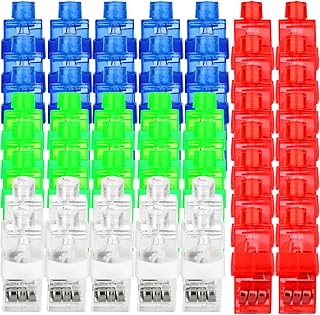 60Pcs LED Finger Lights Flashlights for Kids Glow Party Favors Birthday Christmas Halloween Supplies
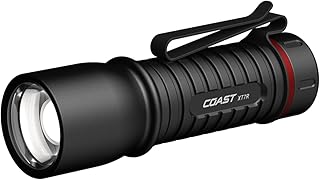 XT7R 1500 Lumen Rechargeable LED Flashlight with Magnetic Mount, Slide Focus, and Pocket Clip, Black
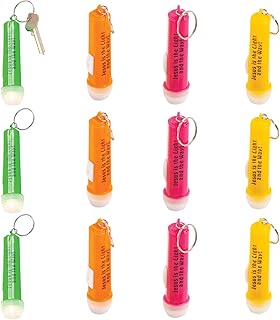 Express Jesus is The Light Flashlight Key Chains (Set of 12) Religious Party Supplies - VBS 2026 Vacation Bible School Supplies/Decor
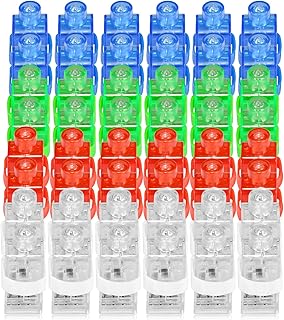 CADE ELECTRONIC Finger Lights- 50Pcs Finger Flashlights for Kids-Bachelorette Party Favors - Party Supplies for Parties Cheering Novelty Toys for Kids, Adult