Introduction
Flashlights remain a core product category for lighting importers, wholesalers, distributors, and contractors. Advances in LED efficiency, battery technology, and ruggedization have expanded use cases from consumer and industrial applications to tactical, emergency response, and project-level lighting. This guide gives procurement teams the practical, technical, and logistical criteria needed to source flashlights that meet market demands and compliance requirements. JECTE is a manufacturing and supply partner experienced in custom and volume flashlight production; we highlight buyer-focused considerations to simplify decision-making.
Market and Application Overview
Start by defining end-use and sales channel. Flashlights are segmented by application:
- Everyday carry (EDC): compact, lightweight, high-value consumer items for retailers and online sellers.
- Tactical/security: rugged, high-output units with strike bezels, modes, and weapon-mount options for security and defense channels.
- Industrial/inspection: focused beams, waterproofing, and long runtimes for manufacturing, construction, and maintenance contractors.
- Search & rescue/emergency: long-range throw, high lumen output, robust charging and battery management.
- Headlamps and hands-free: specialized for contractors and outdoor markets.
Key Performance Specifications
Buyers should request consistent test data and standard references when comparing models. The ANSI/NEMA FL1 standard is the industry reference for flashlight performance metrics; request FL1 test results when possible.
Lumens and Light Output
Lumens quantify total visible light emitted. Typical ranges:
- EDC: 100–1,200 lumens
- Tactical: 300–3,000+ lumens
- Inspection/industrial: 100–1,500 lumens with controlled beam
- Search/utility: 1,000–5,000 lumens
Balance lumens with thermal design — higher output requires heat sinks and thermal control to avoid overheating and step-down behavior.
Beam Pattern and Throw vs. Flood
Beam pattern defines use case: throw (concentrated hotspot for distance) vs. flood (wide spill for area illumination). Many models combine both through optics or reflector design. For each use, request candela and beam distance data (meters) alongside lumen numbers.
Color Temperature and CRI
Color temperature (Kelvin) impacts color rendering and task suitability. Common options:
- Warm white (2700–3500K) — comfortable, good for close work.
- Neutral white (4000K) — balanced performance.
- Cool white (5000–6500K) — higher perceived brightness, better contrast outdoors.
C RI (Color Rendering Index) matters for inspection and industrial use—specify CRI 70+ for general use and CRI 80–90 for color-critical tasks.
Runtime and Battery Type
Runtime depends on battery chemistry, capacity, and drive current. Common battery options:
- Disposable alkaline (AA/AAA) — low cost, easy logistics, limited runtime.
- Rechargeable NiMH (AA/18650 pack) — safer for shipping than lithium, moderate capacity.
- Li-ion (18650, 21700, integrated OEM packs) — high energy density, long runtime, but adds logistics complexity.
- Lithium polymer (integrated cells) — custom shapes for slim designs.
Ask for runtime at specified lumens per ANSI FL1. Note that advertised maximum lumens are often short-duration bursts; steady-state runtime at practical output is more relevant.
Hardware, Durability, and Environmental Ratings
Housing and Materials
Aluminum alloy (commonly 6061-T6 or 6063-T5) is typical for rugged flashlights; polycarbonate and ABS are common for lightweight consumer models. Consider surface treatments (Type III hard-anodized) for wear resistance.
Ingress Protection and Impact Resistance
Specify IP ratings by environment:
- IPX4 — splash resistant (retail/indoor).
- IPX7 — temporary immersion (industrial/field use).
- IP68 — dust-tight and long-duration immersion (specialist applications).
Impact resistance often quoted as drop height (meters). For tactical and industrial use, seek 1–2 meter or greater drop ratings. IK ratings (e.g., IK07–IK10) may appear for impact resistance.
Electrical and Safety Features
Drivers, Dimming, and Modes
Modern flashlights use electronic drivers to manage LED current. Key features buyers should evaluate:
- Multiple modes with memory function or mode spacing.
- Programmable drivers for custom modes and firmware-controlled thermal regulation.
- Strobe/SOS functions — useful for tactical and rescue markets but may be omitted for general retail models.
Battery Protection and Charging
Ask for protection circuits: overcharge, over-discharge, short-circuit, and reverse polarity. USB charging is standard; USB-C is recommended for faster charging and future-proofing. Also consider PD-compatible charging for high-capacity packs.
Certifications, Testing, and Compliance
Compliance and certification requirements vary by market. Common certificates buyers should request:
- CE and RoHS for the EU.
- FCC for RF/charging electronics in the US.
- UN38.3 and IATA/DOT documentation for shipments containing lithium batteries.
- UL or similar safety certification for certain markets or projects.
Request lab reports for photometric testing (ANSI FL1), ingress testing (IP report), and drop/impact tests. For major projects, specify third-party testing requirements up front.
Packaging, Labeling, and Logistics
Packaging affects landed cost and retail readiness. Consider bulk packaging vs. retail-ready boxes. Buyers should decide on UPC/barcode printing, multilingual manuals, and specific labeling for battery transport compliance.
Battery Shipping and International Regulations
Shipping lithium batteries internationally is heavily regulated. Requirements differ by battery type and whether cells are contained inside equipment, packed with equipment, or shipped separately. Typical controls include state-of-charge limits, special labeling, and carrier-specific restrictions. For large orders, confirm that your supplier can manage compliant packing, documentation, and carrier selection.
Commercial Terms and Manufacturing Considerations
Minimum Order Quantities and Lead Times
MOQ depends on customization and tooling. Off-the-shelf SKU orders can have low MOQs, while custom housings, colors, and printed branding increase MOQ and lead times. Typical lead time windows:
- Standard SKUs: 2–6 weeks depending on inventory and shipping.
- Custom builds: 8–16 weeks for prototypes and production runs.
Cost Drivers
Major factors influencing unit cost:
- LED type and binning (high-power LEDs cost more).
- Battery chemistry and capacity.
- Optics (TIR lenses vs. reflectors) and quality of reflectors.
- Housing materials and surface treatments.
- Electronics complexity (programmable drivers, charging ICs).
- Certifications and testing fees.
Quality Control and Vendor Capabilities
Assess supplier manufacturing processes and QC before committing. Important capabilities include:
- In-house photometric labs or access to accredited labs for ANSI FL1 testing.
- Battery pack assembly with BMS (battery management system) expertise.
- Experience with shipping lithium batteries and providing compliant documentation.
- Electronics and firmware support for custom driver programming.
- Ability to provide production samples and run pilot batches.
Customization and Private Labeling
Many distribution channels require private-label products. Customization options from a manufacturing partner can include:
- Logo engraving or printing.
- Custom housing colors and finishes.
- Packaging design and retail inserts.
- Firmware customization for mode behavior and branding features.
Clarify tooling costs, sample approval cycles, and intellectual property expectations before contracts.
Procurement Checklist and RFQ Template
Use this checklist to standardize supplier comparisons. Provide these items in your RFQ to receive accurate quotes:
- Target application and target price point.
- Desired lumen output (specify mode outputs if multi-mode).
- Beam characteristics: throw (meters) vs. flood, candela.
- Color temperature and minimum CRI.
- Battery type (AA/AAA, NiMH, Li-ion 18650/21700, integrated pack) and runtime at specific output.
- Charging method (USB-C, micro-USB, external charger) and charging time.
- Ingress protection rating (IP) and drop height requirements.
- Required certifications (CE, RoHS, FCC, UN38.3) and test reports.
- Expected annual volume, initial order quantity, and desired lead time.
- Customization requirements (branding, packaging, manuals, labeling).
- Warranty period and after-sales support expectations.
Case Examples: Typical Buyer Decisions
Examples of how buyers match specs to channels:
- Retail importers: favor cost-effective EDC models with attractive retail packaging, USB-C charging, CRI 70–80, and IPX4–IPX6 protection.
- Industrial distributors: prioritize runtime, IPX7/IP68, high CRI for inspection, and replaceable battery options.
- Contractors and project buyers: select headlamps and rugged units with serviceable batteries, clear warranty terms, and bulk packaging.
How JECTE Supports Global Buyers
JECTE offers manufacturing, testing, and fulfillment services tailored to distributors and project contractors. Key support features:
- Product development: from concept to prototype, including optics and firmware tuning.
- Testing and compliance: in-house QC and access to accredited labs for FL1, IP, and UN38.3 testing.
- Battery expertise: pack assembly with BMS, UN-compliant shipping preparation, and documentation support.
- Customization and private label: branding, packaging design, and MOQ flexibility for scalable orders.
- Logistics coordination: global shipping experience and carrier selection for safe battery transport.
Warranty, After-Sales, and Returns
Specify warranty length and RMA handling in purchase contracts. Typical warranties range from 1–5 years depending on component coverage (LEDs often have long lifespan claims, while batteries commonly have shorter warranties). Clarify repair vs. replacement policies and spare parts availability.
Final Recommendations
For procurement teams: standardize RFQs around ANSI FL1 metrics, battery and shipping constraints, and environmental ratings. Prioritize suppliers who provide test reports, have battery-handling expertise, and offer clear customization and MOQ terms. Request production samples and verify photometric and ingress performance before large buys.
Next Steps with JECTE
If you are sourcing flashlights at scale, JECTE can assist with specification refinement, prototyping, testing, and full production runs. Contact JECTE with your RFQ checklist and application details to receive a tailored proposal, sample schedule, and compliance documentation.
Choosing the right flashlight supplier reduces risk, lowers total cost of ownership, and improves your speed-to-market. Use the checklist in this guide to evaluate technical and logistical fit, and require verifiable test data to ensure product claims align with performance in the field.
Related Products
Explore related products from JECTE for your next sourcing project.
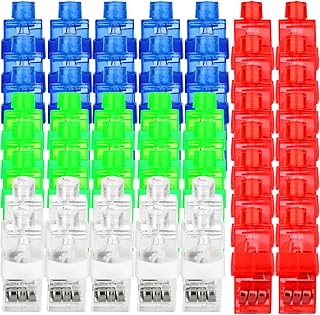 60Pcs LED Finger Lights Flashlights for Kids Glow Party Favors Birthday Christmas Halloween Supplies
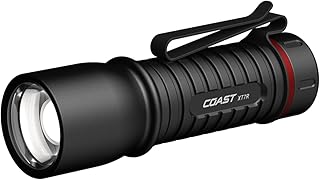 XT7R 1500 Lumen Rechargeable LED Flashlight with Magnetic Mount, Slide Focus, and Pocket Clip, Black
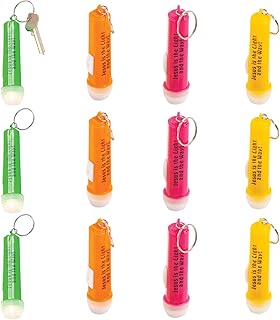 Express Jesus is The Light Flashlight Key Chains (Set of 12) Religious Party Supplies - VBS 2026 Vacation Bible School Supplies/Decor
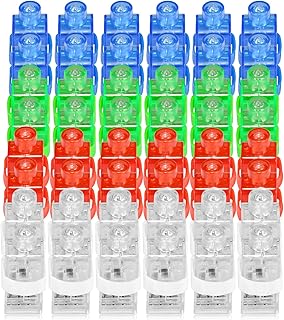 CADE ELECTRONIC Finger Lights- 50Pcs Finger Flashlights for Kids-Bachelorette Party Favors - Party Supplies for Parties Cheering Novelty Toys for Kids, Adult